A man and his dog . . .

Books
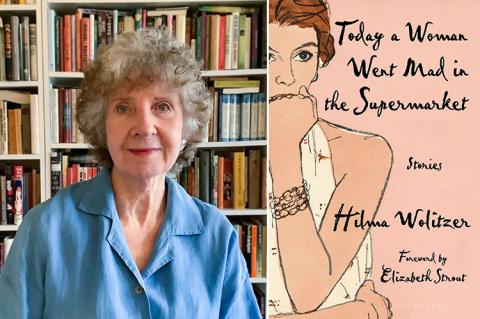 Resurgent Desire
The highly regarded novelist Hilma Wolitzer is out with a short-story collection that frankly and winningly addresses themes of sexuality and domesticity.
South Fork Poetry: ‘Muted Brass’Aug 26, 2021
A new poem by a Springs man of letters addresses recent politics.
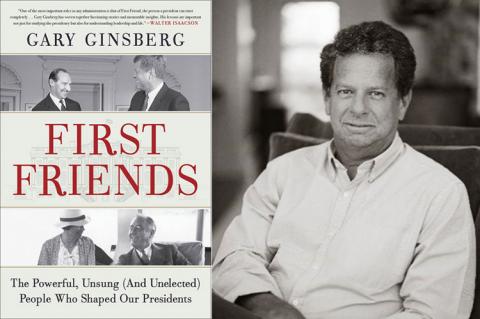 What White House Friends Are For
Surprisingly little ink has been spent on the personal friends presidents may rely on for savvy, unselfish counsel that can impact policy, the nation, and the world. Gary Ginsberg rectifies that with “First Friends.”
Lupica Among Those on Site at Authors NightAug 12, 2021
The East Hampton Library's Authors Night returns this weekend, celebrating more than 30 authors with in-person and online talks.
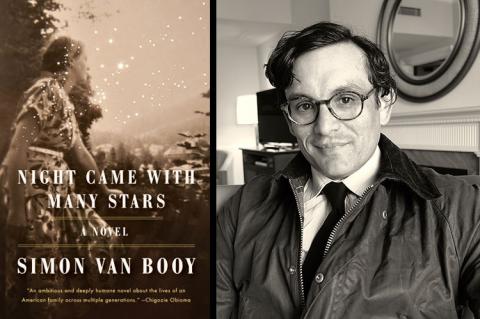 What Makes a Family
Simon Van Booy has drawn from the stories of one rural Kentucky family for his new book, and he repays them with an affecting, generous novel.
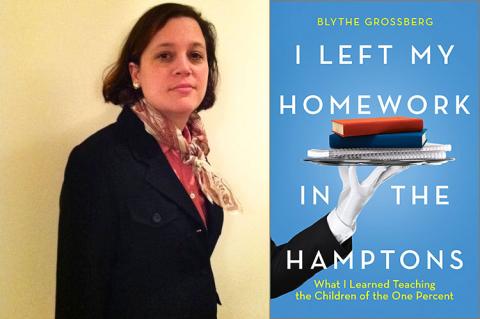 Tutoring the Elite
Blythe Grossberg chronicles her life as a tutor to the offspring of the ultra-rich who summer here, but the Harvard grad with a doctorate in psychology is no ordinary tutor. You’re left wondering why she put up with the parents.
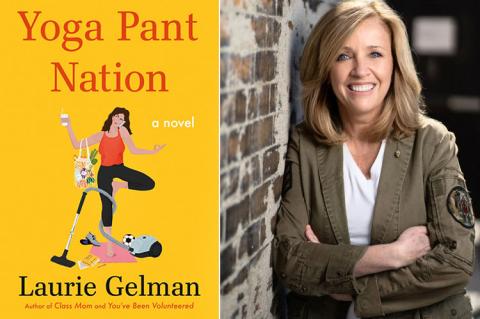 Eye for the Zeitgeist
In Laurie Gelman’s latest, Jen Dixon, spin-class leader and matchmaker, parent and power emailer, is back to face down her domestic and school fund-raising challenges with a sly wit.
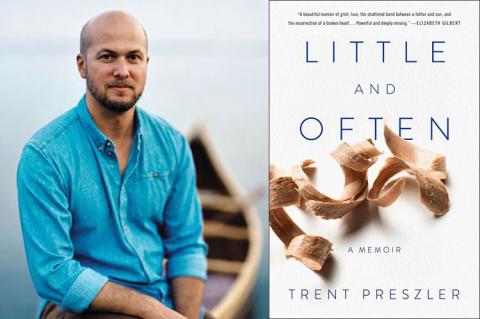 Far From the Farm
Fathers and sons will relate to this harrowing literary memoir, but so will woodworkers, boatbuilders, and anyone who fled the rural heartland for an East Coast education. This is a writer to root for.
South Fork Poetry: ‘Santos’Jul 22, 2021
A new poem by Philip Schultz, a Pulitzer Prize-winning East Hampton poet.
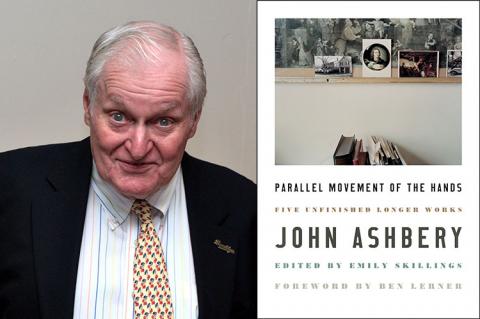 All Flux and Chaos
These are unfinished, previously unpublished works of a prolific poet who was known for being “obscure,” but what they offer, thanks to Emily Skillings, the volume’s editor, is a far deeper understanding of John Ashbery’s process and what mattered to him as a writer.
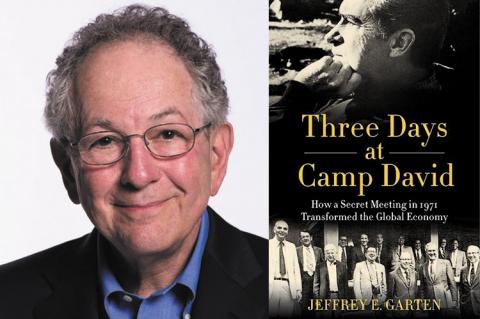 Camp David ’71: Watershed Run Dry?
 Jeffrey Garten, an economist who served in four presidential administrations, argues that a single weekend at Camp David in August of 1971 was “a watershed in modern American history” and an indication of “changing American power and influence.”
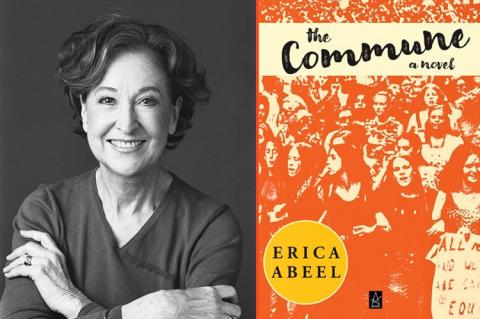 Liberation and Status
Erica Abeel’s novel “The Commune” takes place in the summer of 1970, during the lead-up to the Women’s Strike for Equality, and recognizable literary figures abound as second-wave feminism comes in for some lumps.
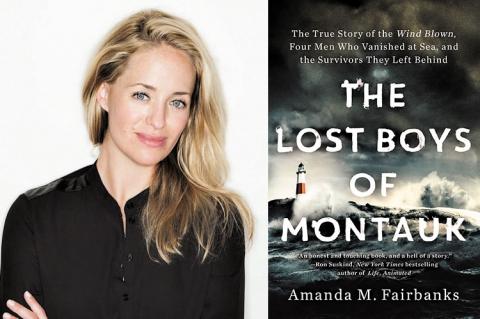 A Journey Into Grief
In Amanda Fairbanks’s “The Lost Boys of Montauk,” a tragic story of guilt, remembrance, and blame, the prose moves fast, secrets are exposed, and regrets over talking to a reporter loom.
 Anxious Influence
“Lilyville,” Tovah Feldshuh’s memoir, is like a theater piece, full of shtick, one-liners, speeches, Yiddishisms, and the joys and sorrows of family life. The author knows a dramatic arc.
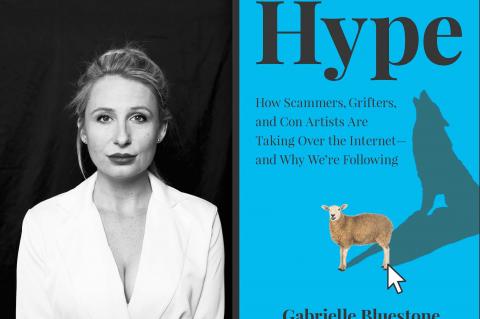 The Rise of the Online Grift
Gabrielle Bluestone’s “Hype” is about would-be internet entrepreneurs who set out to defraud as many people as they can with the promise of “the next big thing,” which of course turns out not to exist. It’s awfully timely.
 The Embattled
What makes Erika Hecht’s “Don't Ask My Name” different from its many companions among Holocaust survival memoirs is the dynamic between the author and her mother, and the account of the mother’s ruthless determination to save her family.
South Fork Poetry: ‘Voice Mail’May 27, 2021
A new poem from Fran Castan, the author of “The Widow’s Quilt” and “Venice: City That Paints Itself,” has just won the United Kingdom’s 2021 Hippocrates Prize for Poetry and Medicine.
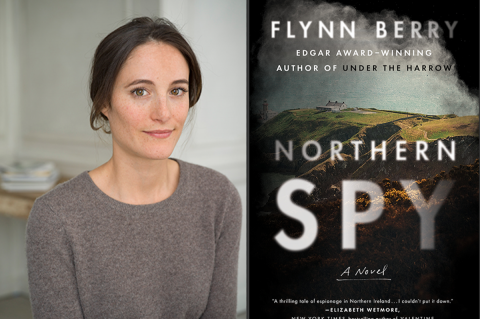 The Startle Reflex
 Flynn Berry’s “Northern Spy” is a contemporary thriller about a single mother, her infant son, and her sister, and yet it illuminates much about the inner workings of the Irish Republican Army and British MI5.
A Tragic Montauk Tale RetoldMay 20, 2021
The first thing to know about Amanda M. Fairbanks and her new book, "The Lost Boys of Montauk," a true tale of a 1984 commercial fishing disaster, is that it comes out on Tuesday from Gallery Books.
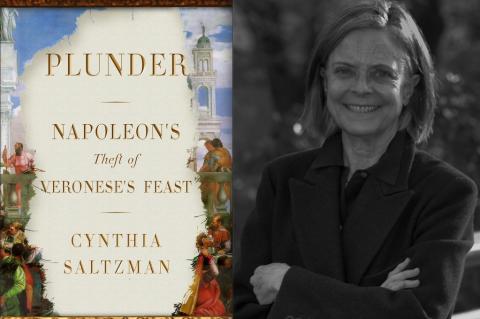 Napoleon as Looter
In her new book, “Plunder: Napoleon’s Theft of Veronese’s Feast,” Cynthia Saltzman traces a High Renaissance work — Paolo Veronese’s “The Wedding Feast at Cana” — from its inception to its role in the rise of the French Republic, uncovering it as a symbol of victory and cultural entitlement.
Bill Henderson Takes a BowMay 13, 2021
Bill Henderson, the publisher of the Pushcart anthology of the best of the small presses, will be honored with an Award for Distinguished Service to the Arts from the American Academy of Arts and Letters in an online ceremony on Wednesday, May 19.
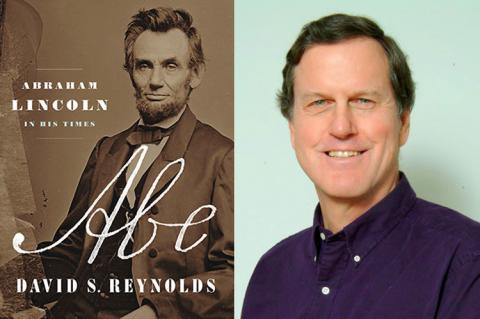 The More Things Change . . .
 David S. Reynolds’s massive new biography argues that the traditional view of Abraham Lincoln’s relationship to the economy and society of his times is wrong — he was very much connected to both, and in ways relevant to today.
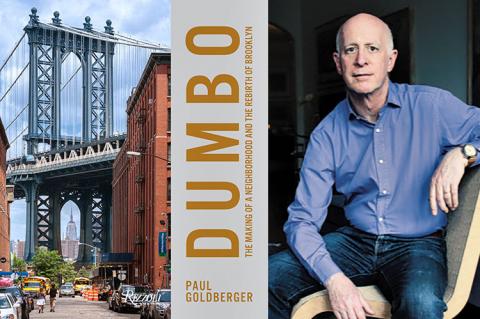 Inventing a Neighborhood
The architecture critic Paul Goldberger lays out how one man, David Walentas, saw the potential in a derelict warehouse district on the Brooklyn waterfront. And the desirable enclave Dumbo was born.
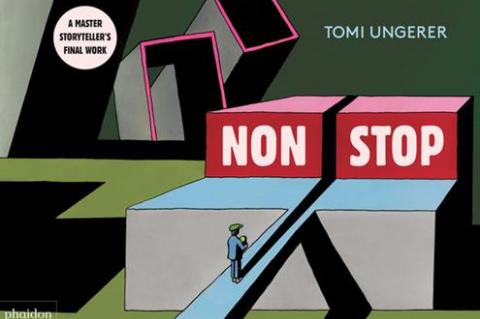 Darkness and Light
Tomi Ungerer’s final children’s book follows a flight through a harrowing dystopia, while Kate McMullan celebrates spring and Katharine Holabird just celebrates.
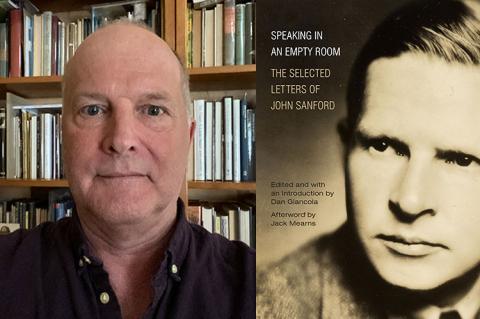 Splenetically Yours
It would be hard to imagine a more pugnacious epistolary sampling than “Speaking in an Empty Room: The Collected Letters of John Sanford,” who was an exacting writer’s writer and a veteran of Hollywood blacklisting.
 Discovered by Chance
Jennet Conant’s “The Great Secret” is about many things: the chaotic nature of war, the subterfuge of governments, the randomness of scientific discovery, the story of one unassuming young American doctor.
South Fork Poetry: ‘Hemingway Souvenir’Apr 15, 2021
An East Hamptoner looks back on an encounter with the writer, recently given new life in a PBS documentary.
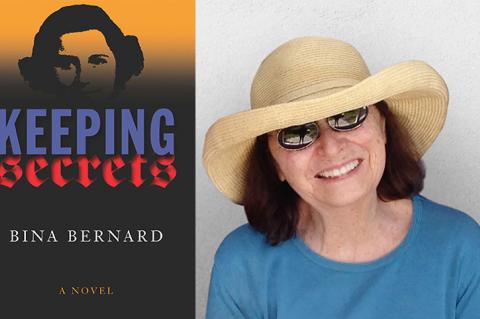 A Most Dangerous Drama
Expressions of guilt pervade Bina Bernard’s wrenching debut novel about a Polish Jewish couple’s desperate struggle to protect their children during the Holocaust.