
Not a big surprise, but there are more Canada geese on the East End of Long Island, 10,806, than any other species of waterfowl, according to the results of the 2026 New York State Ornithological Association waterfowl count.
The second most populous waterfowl on the East End is also probably not a big surprise: the familiar mallard. Just under 1,100 were counted.
What was surprising? A rare Ross’s goose, which spent most of January on a field in Sagaponack.
This year’s count, which tabulates birds from the Shinnecock Canal to Montauk Point, took place on Jan. 17, before the deep freeze that locked most of our ponds and even bays in ice, some of them only now beginning to melt.
The ornithological association has conducted the survey annually since 1955 (minus a few years during the Vietnam era), and in most years more than a quarter of a million birds are tallied across the state, according to its website, nybirds.org.
Frank Quevedo, the executive director of the South Fork Natural History Museum, compiled totals from 10 count parties. “This citizen-science survey is a great way to get outdoors and get involved in a conservation effort,” he said via text. “This waterfowl count is essential in monitoring population trends and changes in habitat usage for many ducks and geese in our region.”
Many hundreds of bay ducks, like scoters, long-tailed ducks, and buffleheads were tallied. Decades ago, scoters (there are three types) were often counted in the thousands.
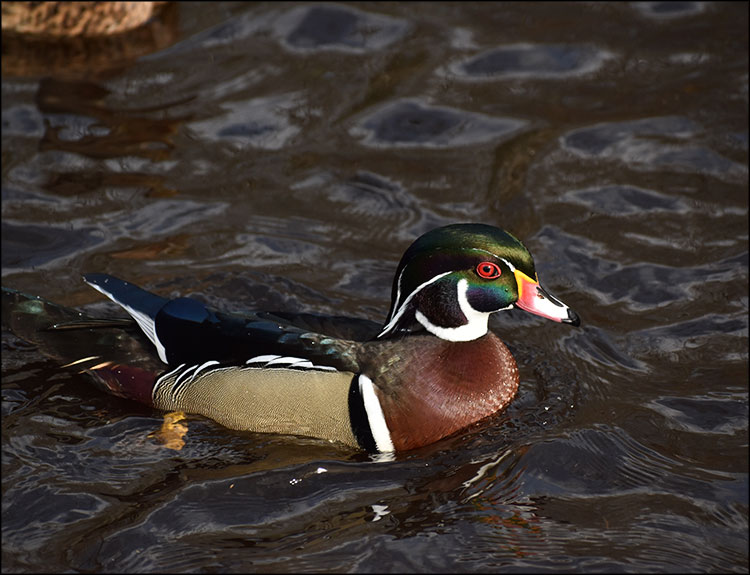
Only three wood ducks and 13 green-winged teal showed up for count day. Also of note were nine redhead ducks, which are uncommon on the East End. Five great cormorants were found, but they restricted their presence to Montauk.
Missed species were the Northern pintail and canvasback.
In all, 36 species of duck or goose were found by 15 participants spread across the territory.