
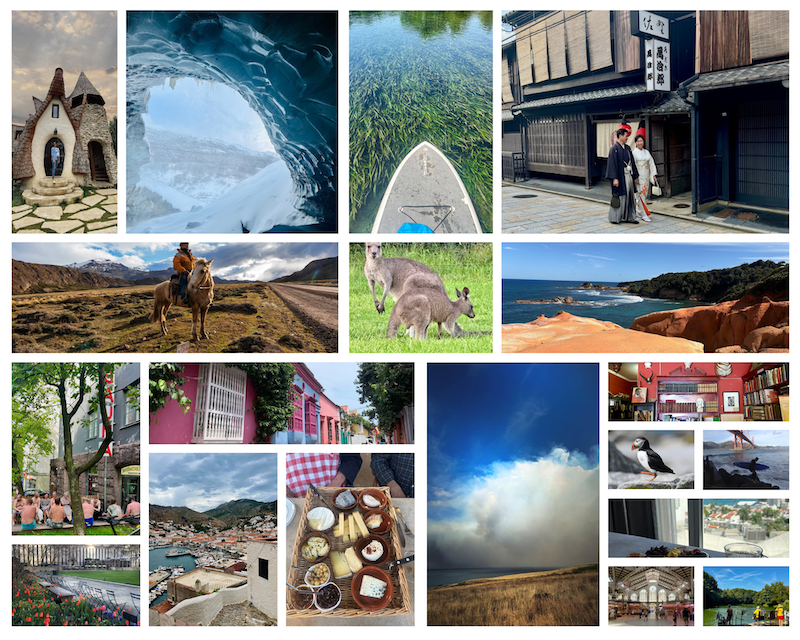
Our annual wanderlust guide from here, there, and everywhere. Where will 2026 take you?
1. Coast to Coast Path, England
On foot across the breadth of the country
By Sarah Baxter
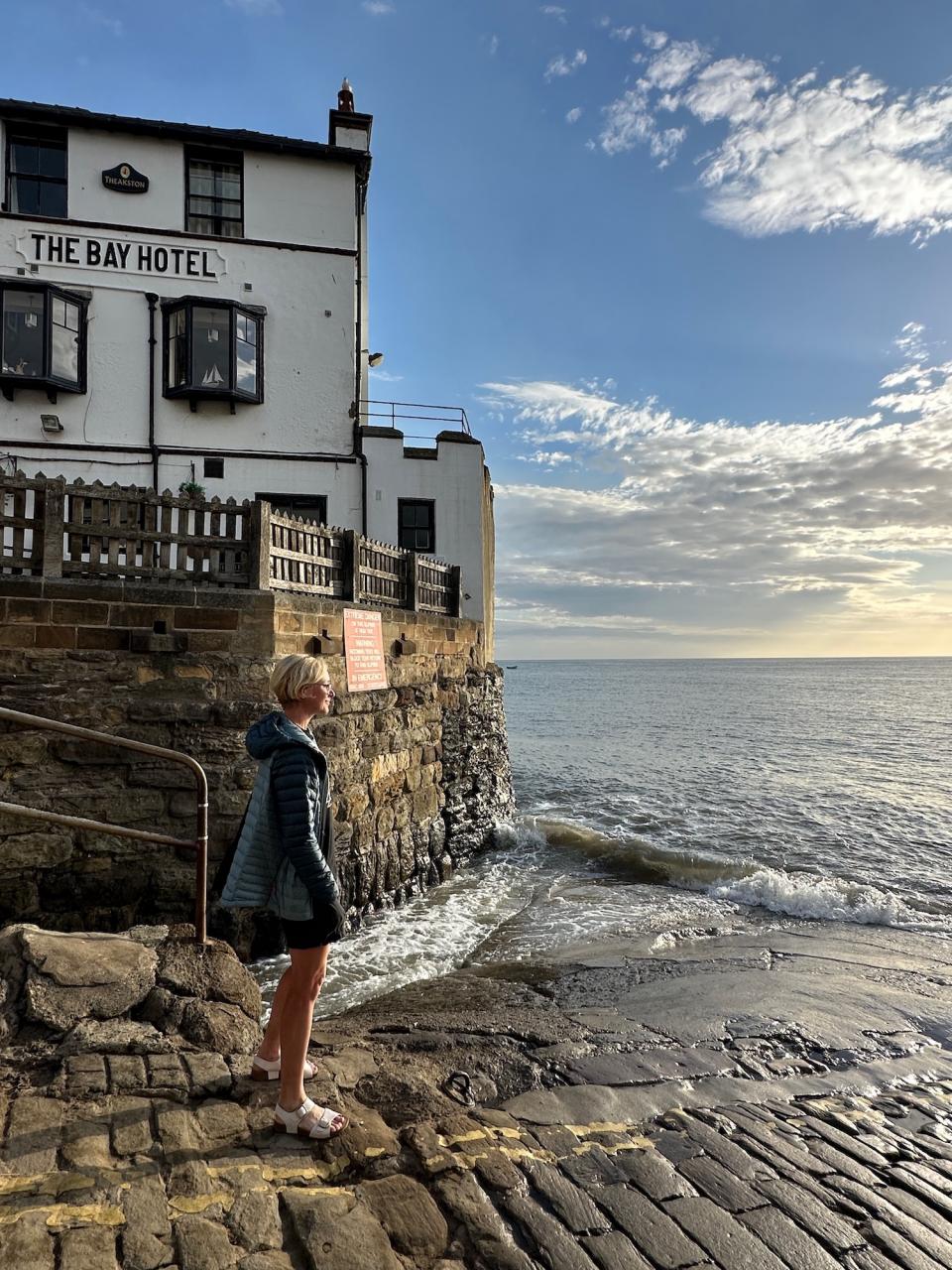
The tide was high at Robin Hood’s Bay, waves licking the cobbled slipway, inching towards the village’s tumbling, smuggler-y streets. Boots swapped for sandals, I stood daringly close to the water’s edge, part hoping the steel-blue sea would engulf my sore but triumphant toes. I’d made it. Walked across northern England, coast to coast. All in, about 200 miles. Three national parks. Lakes, fells, dales, moors, some flat bits in between, market towns, valley-tucked villages, numerous pubs, plentiful pints.
The Coast to Coast Path runs from the red rocks of St. Bees Head in Cumbria, on the west coast, to cliff-clinging Robin Hood’s Bay, in Yorkshire, on the east. It’s a route first devised by the legendary British walker, writer, and curmudgeon Alfred Wainwright in 1973, and it’s been followed by many hikers since. But it’s always been unofficial. However, in 2026, the Coast to Coast will finally become one of Britain’s recognized National Trails, a change in status that means improved signage, access, and path quality, and a greater focus on landscape conservation.
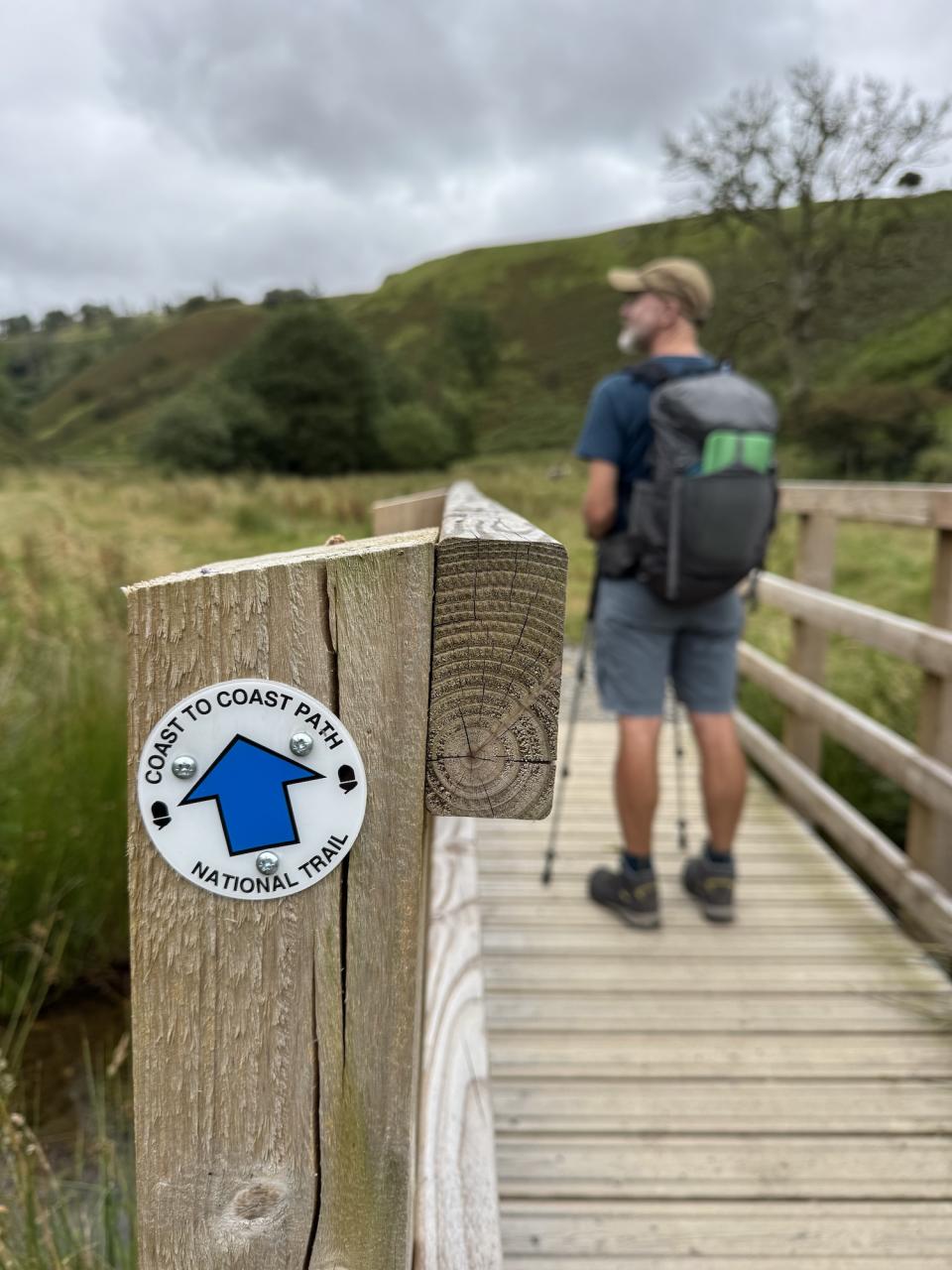
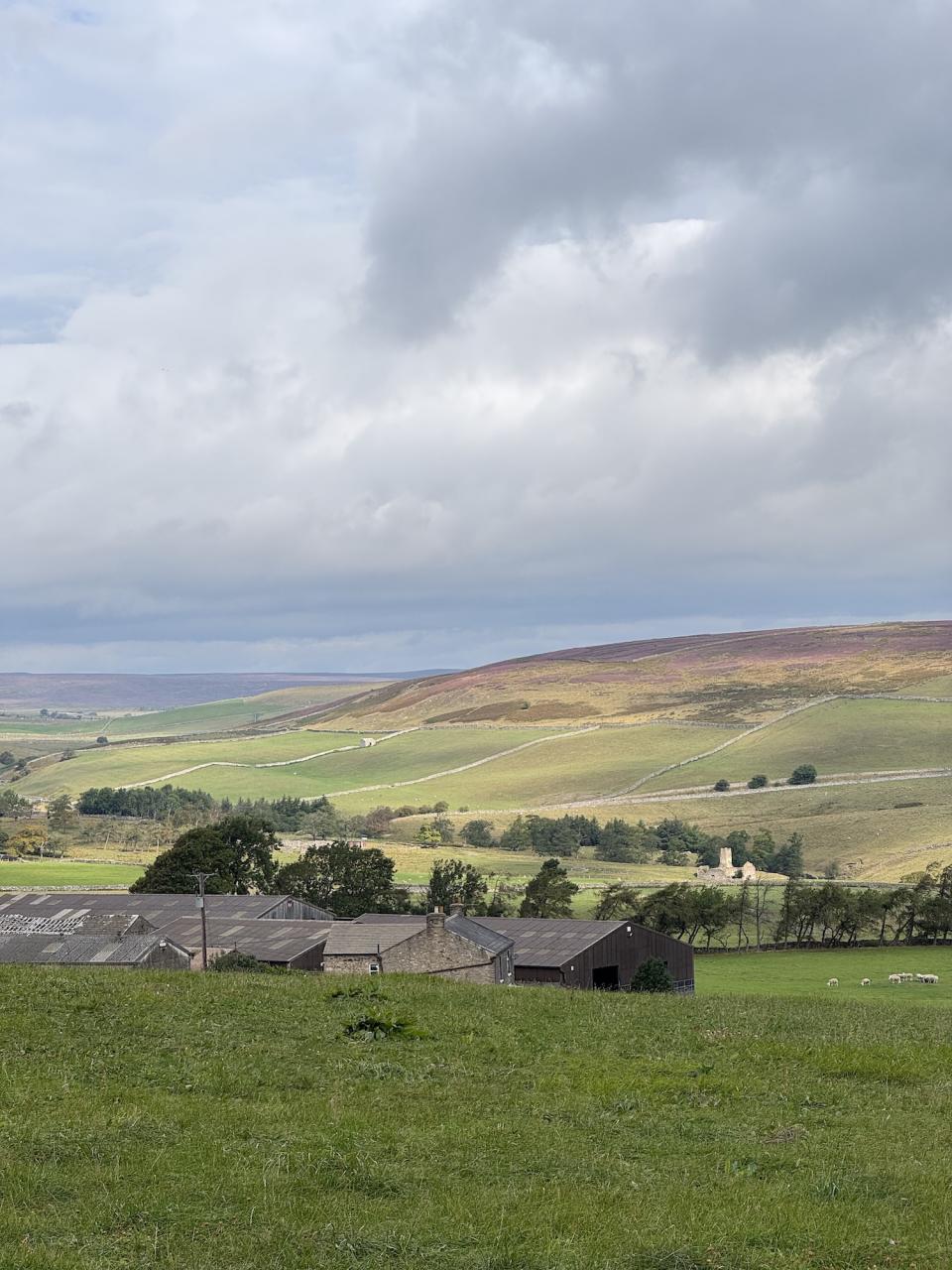
Official or not, it was the best adventure. Two weeks of moving, slowly, through England at her most elemental, where people and deep layers of human history were never far away, but with many moments — late afternoon atop St. Sunday Crag, deep in the bruise-hued heather of Urra Moor — where I felt I might be the only one in the world. A test for the body, a boon for the soul.
Macs Adventure offers a range of self-guided walking trips along the Coast to Coast Trail.
-- Sarah Baxter is a freelance travel writer and the 2025 UK TravMedia Awards' Domestic Travel Writer of the Year
2. Central Florida’s ‘Spring Runs’
Paddleboarding clearwater pathways
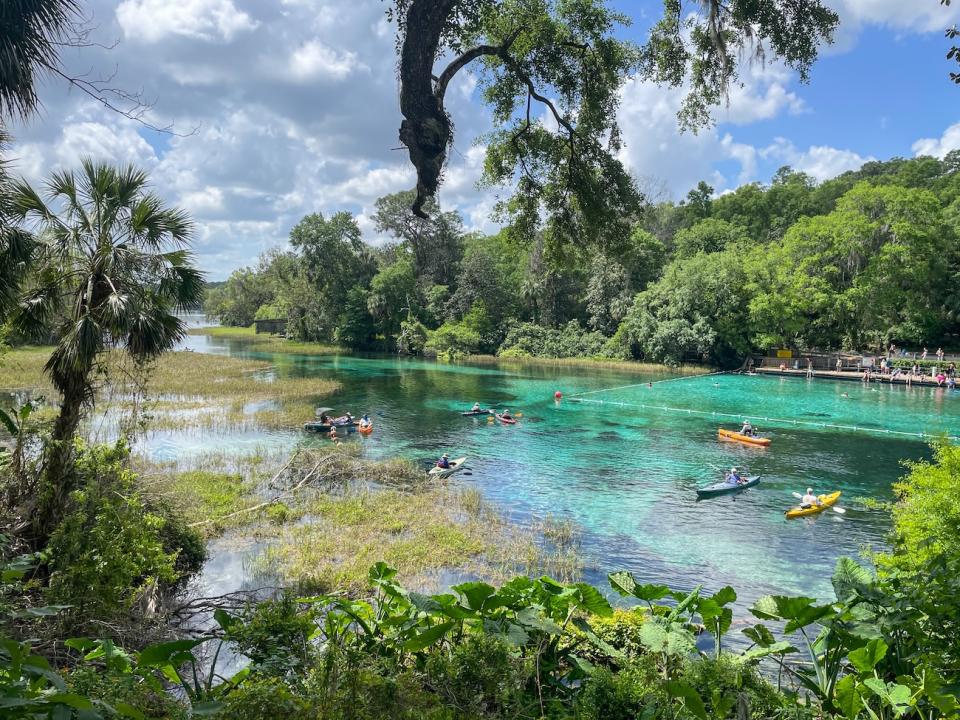
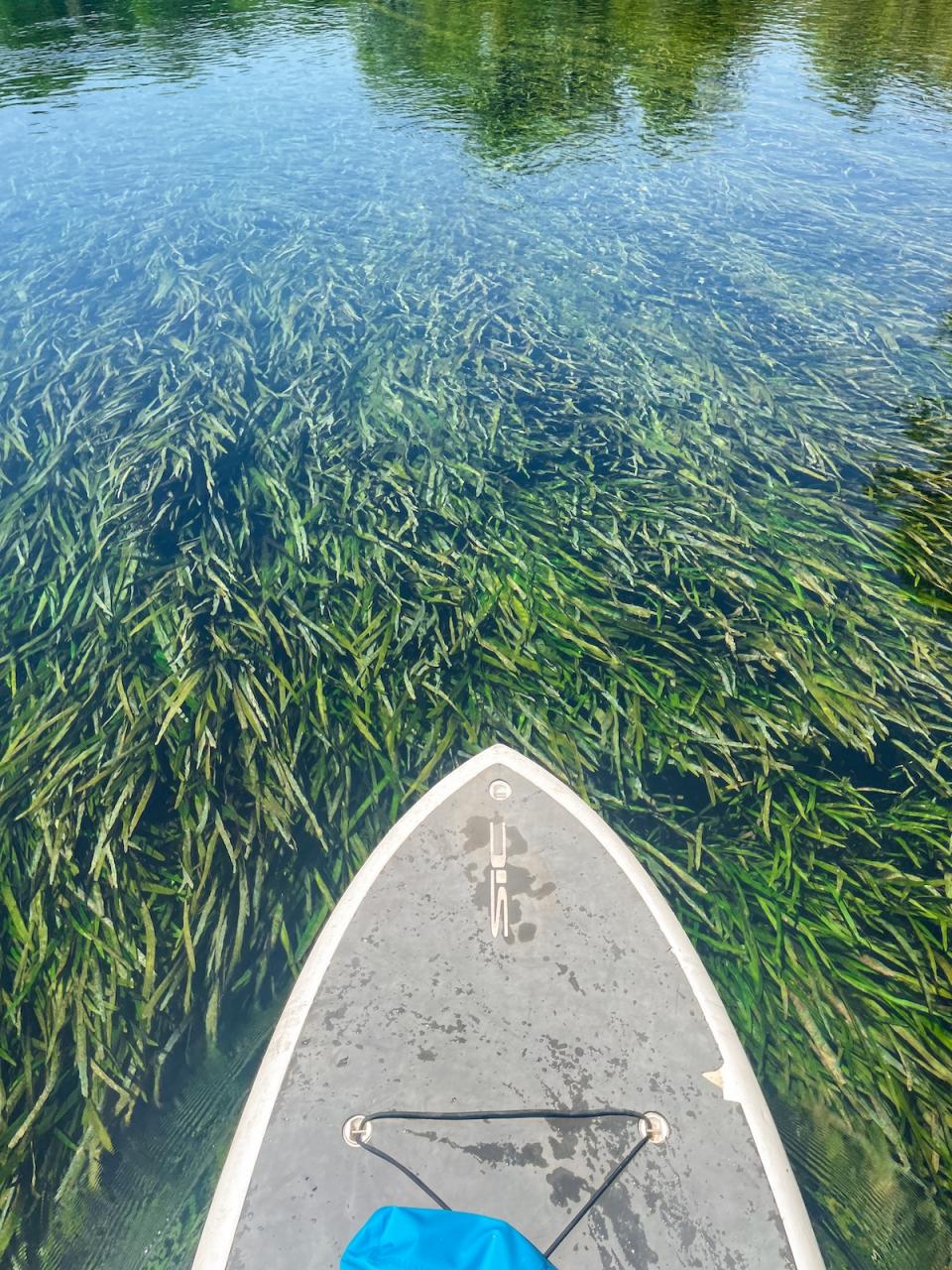
Florida’s spring-fed rivers are quiet stunners — underground aquifers surfacing to form short, crystal-clear waterways that wind through the state’s interior. The best way to experience them is slowly, standing on a paddleboard, drifting where the water tells you to go.
We flew into Tampa and eased into the trip with lunch at the Heights Public Market, an active collection of local vendors that feels like a culinary snapshot of Tampa Bay -- warm, welcoming, and full of multicultural flavors. From there, we headed north to Ocala to wander the town and antique stores, then to Archer, where we stayed the Glass House, a charming cottage built by local artist Ira Winarsky, tucked into 12.5 acres just outside Gainesville.
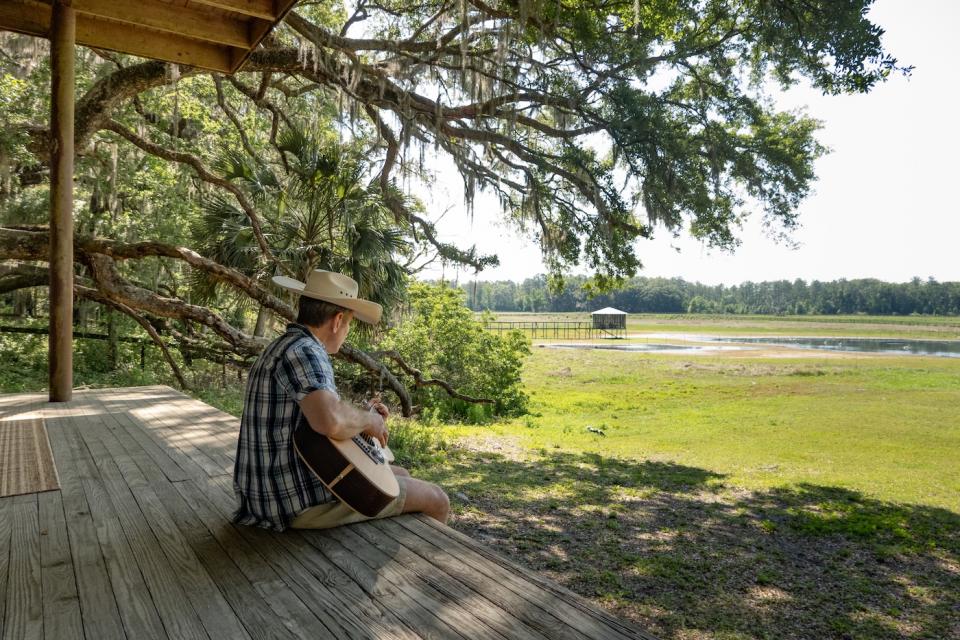
Mornings and evenings unfolded on the spacious back deck, guitars in hand, meals cooked simply, a massive and very active pond stretching out around us. The property felt like a Florida Serengeti: great blue herons stalking the grass, white egrets drifting in at dusk, ospreys circling overhead — and always the low-key thrill that a gator might wander through the yard as we abided by the warning signs to stay vigilant.
Paddling Rainbow and Silver Springs felt almost prehistoric, like slipping into “The Land Before Time.” The silence was complete, the water an impossible shade of turquoise, filtered through limestone and fed by the Floridan Aquifer, which supplies more than 700 freshwater springs across the state. The runs we explored stretched roughly five to six miles, gentle and steady, perfect for lazy exploration with the occasional lone manatee gliding beneath our boards, slow and curious.
If you can ignore the aggressive political signage, Central Florida is an unlikely but deeply welcome surprise — quiet, wild, warm, and far removed from the more familiar coastal hot spots. We rented boards daily, but next time we’ll take our own inflatables. There are too many springs left unexplored, too many clear-water paths calling us back.
-- Lindsay Morris is a photographer based in Sag Harbor
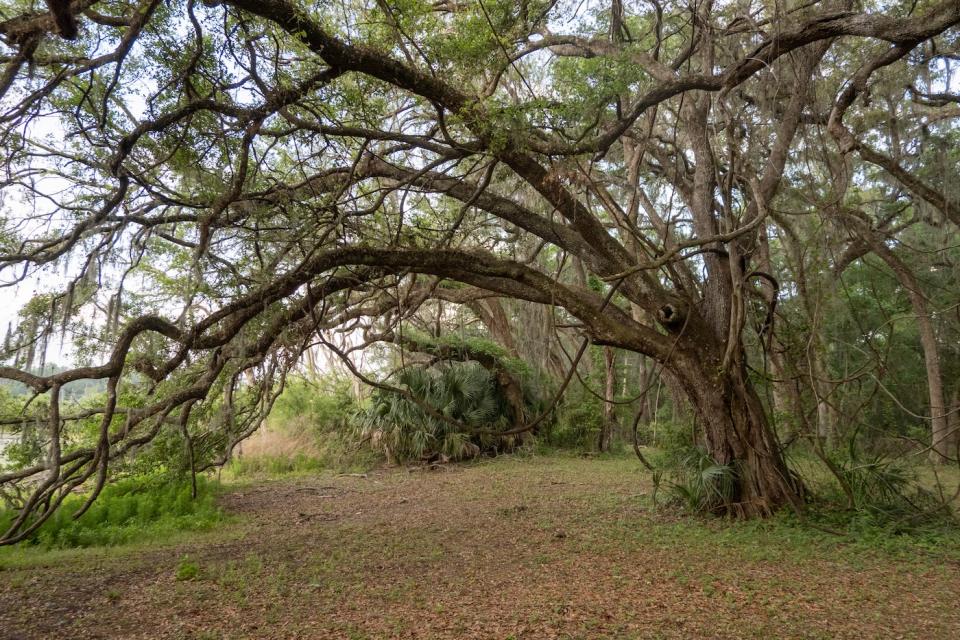
3. Dominica, The Caribbean
Wild and unspoiled, an island of unparalleled beauty
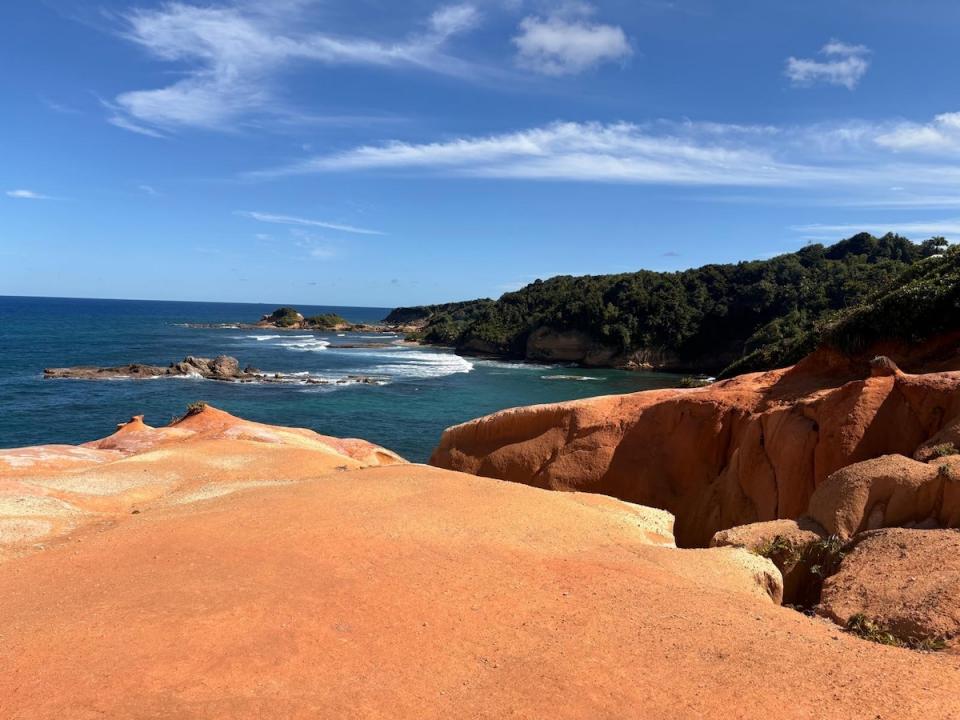
First, let’s get the pronunciation right. It’s Domi-neek-ah, as in nothing to do with the Dominican Republic. Dominica, the birthplace of my parents, is a remote, wild, and hilly island, a cross between Costa Rica, Jurassic Park, and New Zealand, and where “Pirates of the Caribbean” was filmed. Packed with wonder, the following is merely an amuse-bouche of things to do and see on this appropriately nicknamed “nature island.”
Boiling Lake, vast and steaming, is a full-day’s hike there and back, but with several warm-water pools for a restorative soak.
Trafalgar Falls and the Emerald Pool, two of the island’s most photographed and visited natural attractions, are set within idyllic rain forest and rivers.
Visit the semi-autonomous Kalinago Territory, where the Indigenous tribe that inhabited the island when Columbus arrived still have their own king and queen.
For “Pirates of the Caribbean” fans: a gentle boat ride along the mangrove-lined, Indian River while sipping a traditional Dominican rum punch, made with lime and spices.
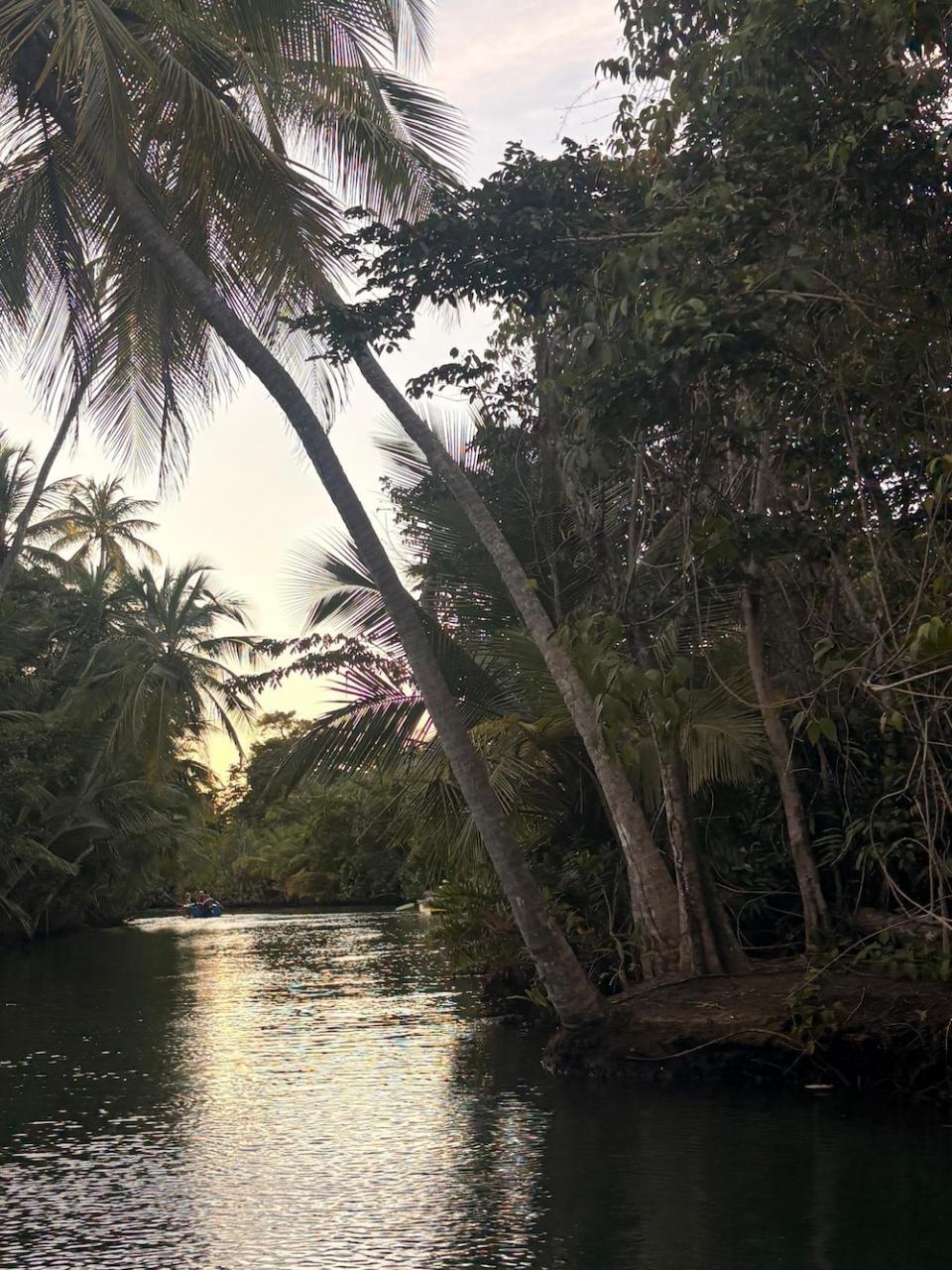
At the Scott’s Head peninsula, the choppy Atlantic Ocean meets the tranquil Caribbean Sea. Hike to the top of the cliff for 360-degree views, then down to the beach and dip your toes on both sides.
Snorkel in Champagne Reef, where bubbles from the thermals rise from the seabed so you feel as though you’re swimming in champagne.
For hotels, I recommend two secluded, luxurious ecoresorts: Jungle Bay in the south, and the exclusive seven-star Secret Bay in the north.
Locals boast that Dominica is the only Caribbean island that Columbus would still recognize today. But, change is afoot with an international airport coming in 2027. Go now before the crowds arrive.
— Sharon Julien is an enterprise transformational leader in London
4. Sri Lanka by train
All aboard: slow travel in a beautiful island nation

By Judy D’Mello
Whistles blow, the station master, starched and spotless in white, nods at the guard, who waves a green flag, and off we go, rolling out of Hatton station in Sri Lanka’s tea-covered hills, where I had spent three glorious days. For $12, I got an AFC ticket — air-conditioned first class, which isn’t really first class, or even second for that matter. But, my reserved seat is comfortable, although the air-conditioning means the windows are sealed shut and foggy, obscuring the gorgeous views. Better to stand at the doorless doorframe in between carriages and take in the endless, emerald green slopes, punctuated occasionally by a tea picker’s brightly-colored bag, strapped on her hunched, toiling back.
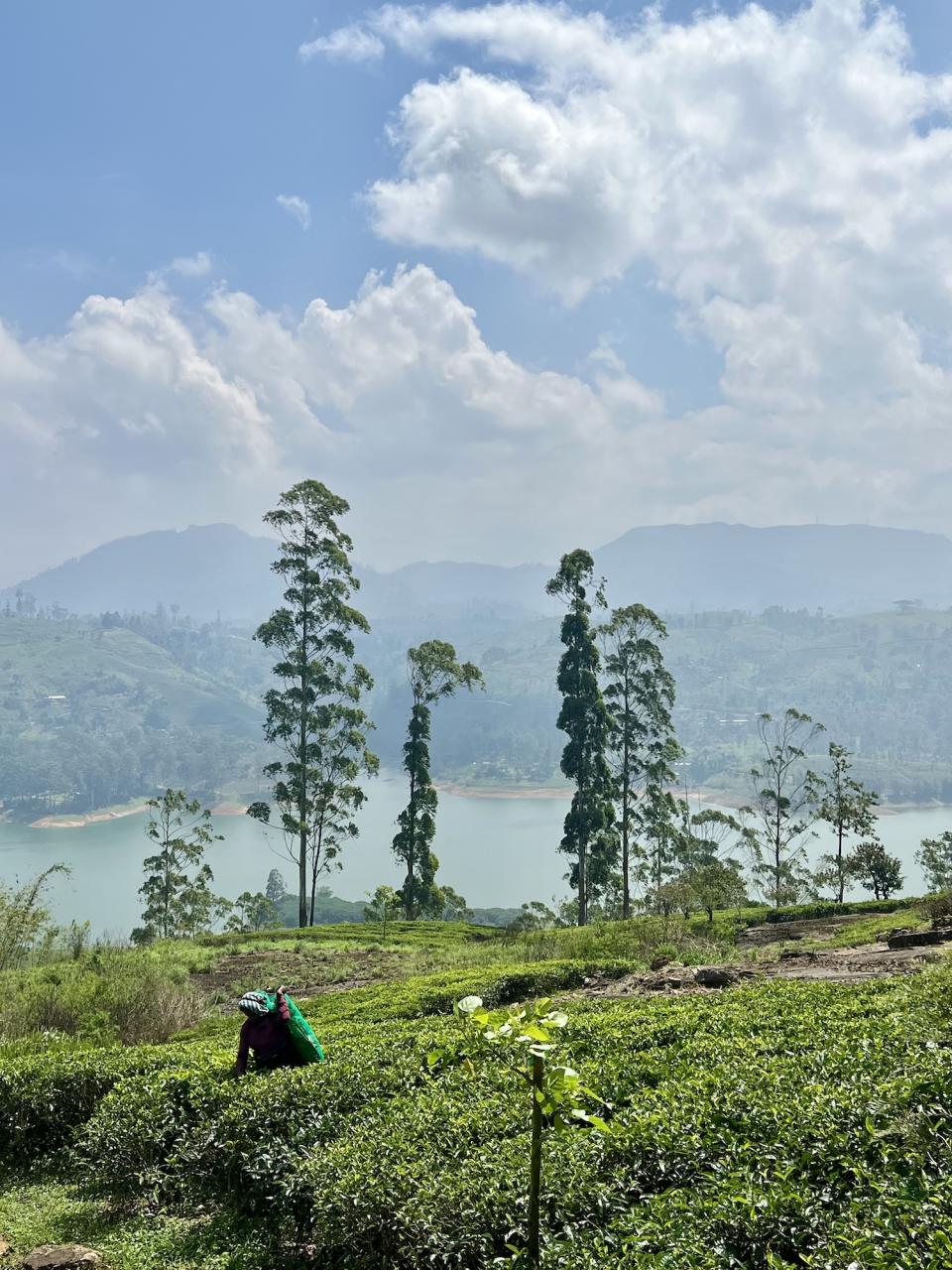
The train climbs into misty hills, stopping at stations that are true colonial relics. Vendors hop on and off, selling chai and prawn fritters. In three hours we arrive at Kandy, famous for the Temple of the Tooth, home to the Buddha’s bicuspid. Kamani gets on and sits next to me. She’s a university professor in New Zealand, but Sri Lankan by birth. We laugh at the logic-defying ticketing system of the Sri Lanka Railways. The train disappears into numerous tunnels and over picturesque bridges, scything through jaw-dropping and ever-changing landscapes — deep valleys, waterfalls, rubber estates, banana plantations. Monkeys everywhere. Another three hours later, the urban bustle of Colombo, its historic Fort Railway Station teeming like an ant hill.
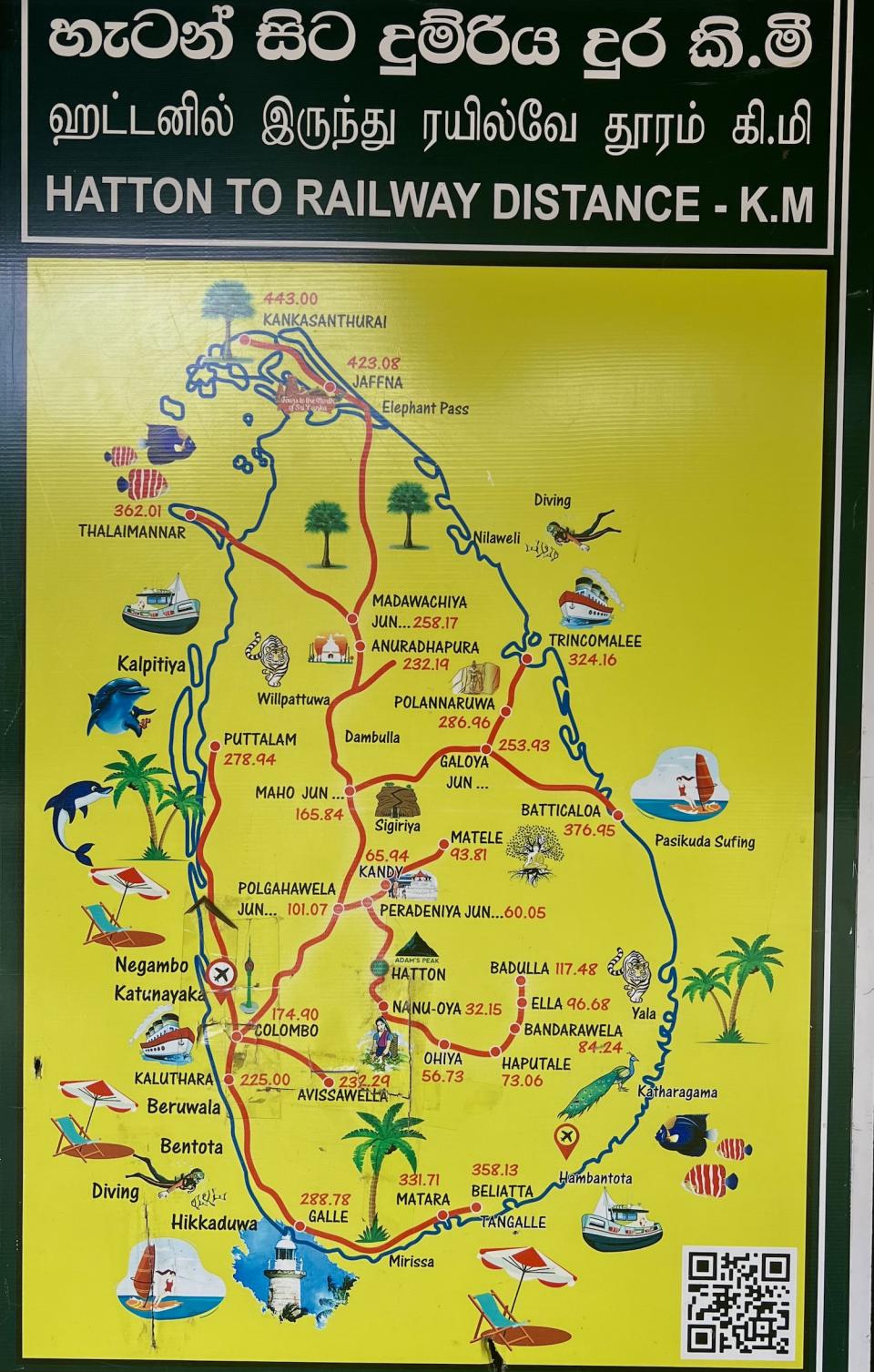
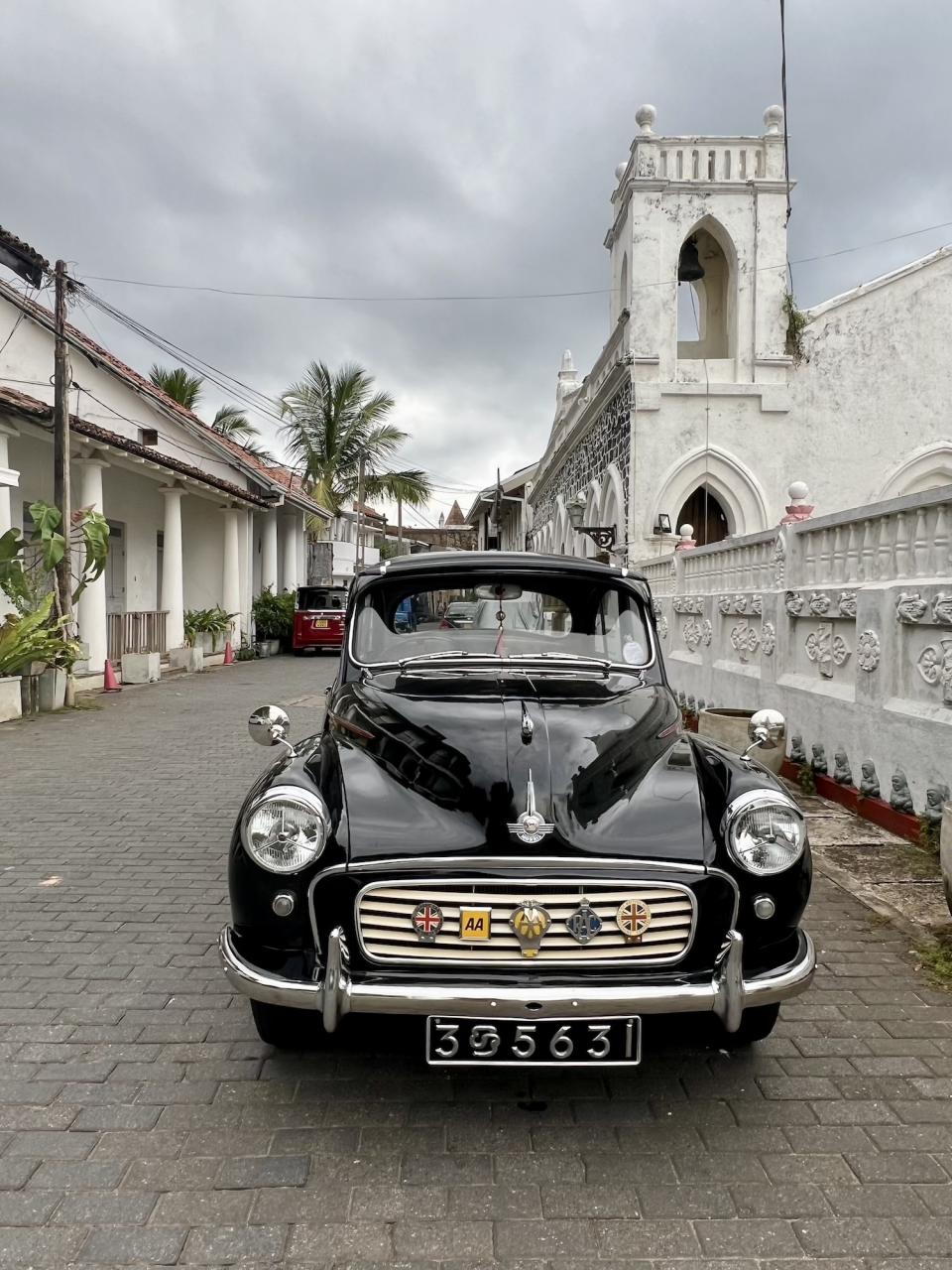
Navigating Sri Lanka by rail can be a time-consuming experience, but a beguiling one. From Colombo, I take a two-hour train ride that hugs the Indian Ocean to the historic port city of Galle, a Unesco World Heritage Site. Around Galle’s 17th-century Dutch fort, the labyrinth of streets still bear Anglo names, as well as colonial villas, frangipani trees, boutiques, churches, ramparts, and a cricket stadium. Dinner is back at Taru Villas Rampart Street, once an English merchant’s lavish home, now an antique-filled, six-room haven. Meals are delicious, served family style, overlooking the central pool. Conversations are thrilling. Here’s to slow travel in 2026.
-- Judy D'Mello is the editor of The Star Travel section
5. Transylvania, Romania
Escape the D-word in this fairytale setting
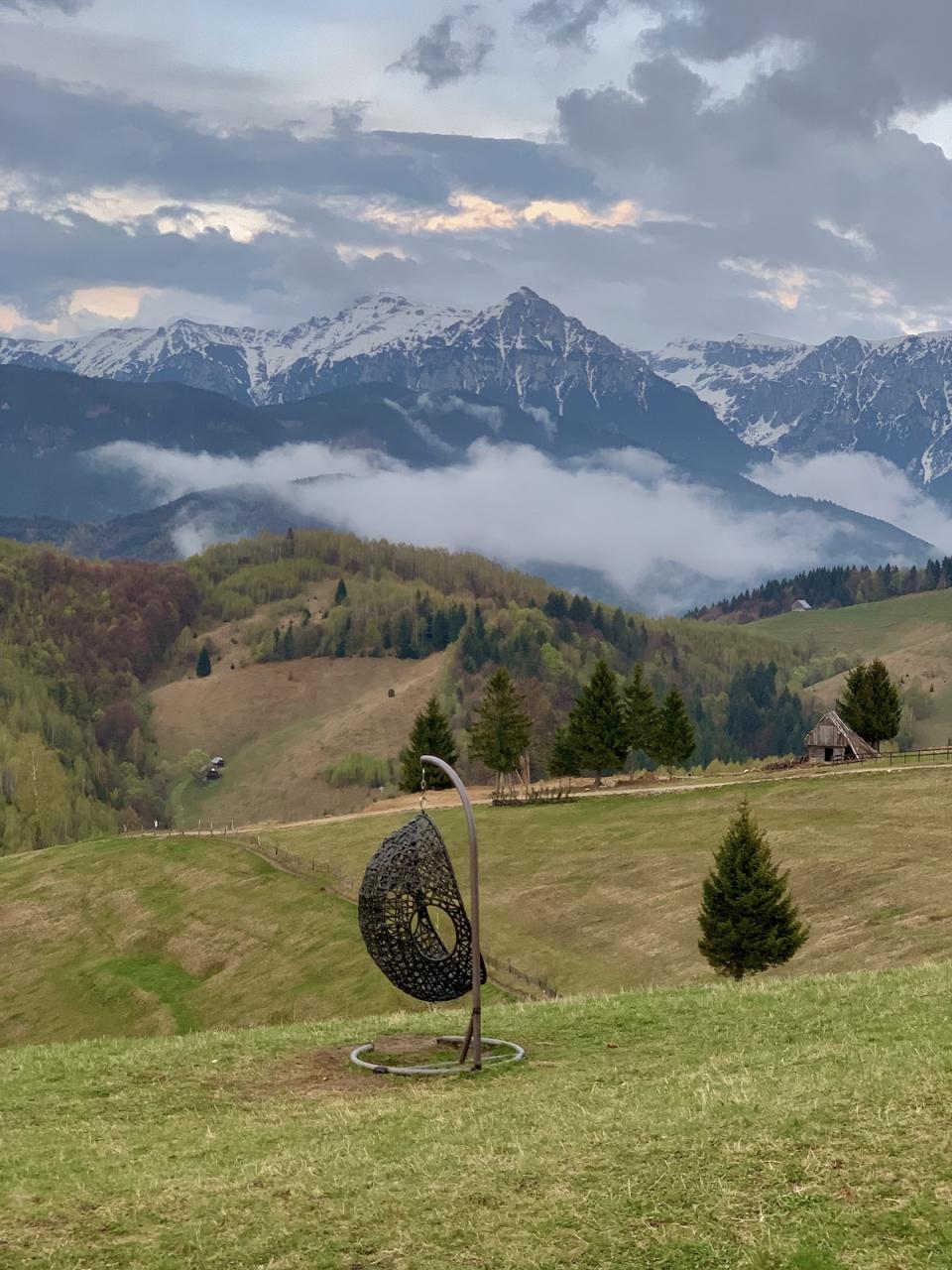
Dracula. Dracula. Dracula. Dracula. Now that’s out of the way, we can get to the real reasons why this central Romanian region, where the Carpathian Mountains dissolve into forested valleys, meadows, and medieval settlements, is a great place to visit.
Most travelers head to Brasov for Bran Castle, which may or may not have been the inspiration for Bram Stoker’s classic novel. But, Sibiu, the former capital of Transylvania, is far less crowded. It’s a charming, walkable city with ancient squares, cobblestone streets, local markets, restaurants, and a history that dates to the Saxon era. (For tours, contact Sibiu Guide Nico.)
Alba Iulia is another city packed with history and an impressive fortress shaped like a star. Within the 300-year-old walled center, is Framm’s, one of the coolest bars and restaurants, with superb coffees, craft beers, and local wines. Next, head to the village of Rimetea for dramatic limestone cliffs, around which are fantastic hiking trails. It’s also a peaceful place to relax and enjoy the quiet countryside with an overnight stay at Conacul Secuiesc, serving delicious local food and breathtaking views.
Transylvania’s cuisine is a mix of Ottoman, Hungarian, and Saxon influences. Be sure to try Sarmale (cabbage leaves stuffed with meat and rice), Cozonac (a sweet bread filled with nuts and cocoa), kürtöskalács (chimney cake), and, if you’re brave, there’s palinka, a traditional fruit brandy that “tastes like a slap in your face,” according to The New York Times.
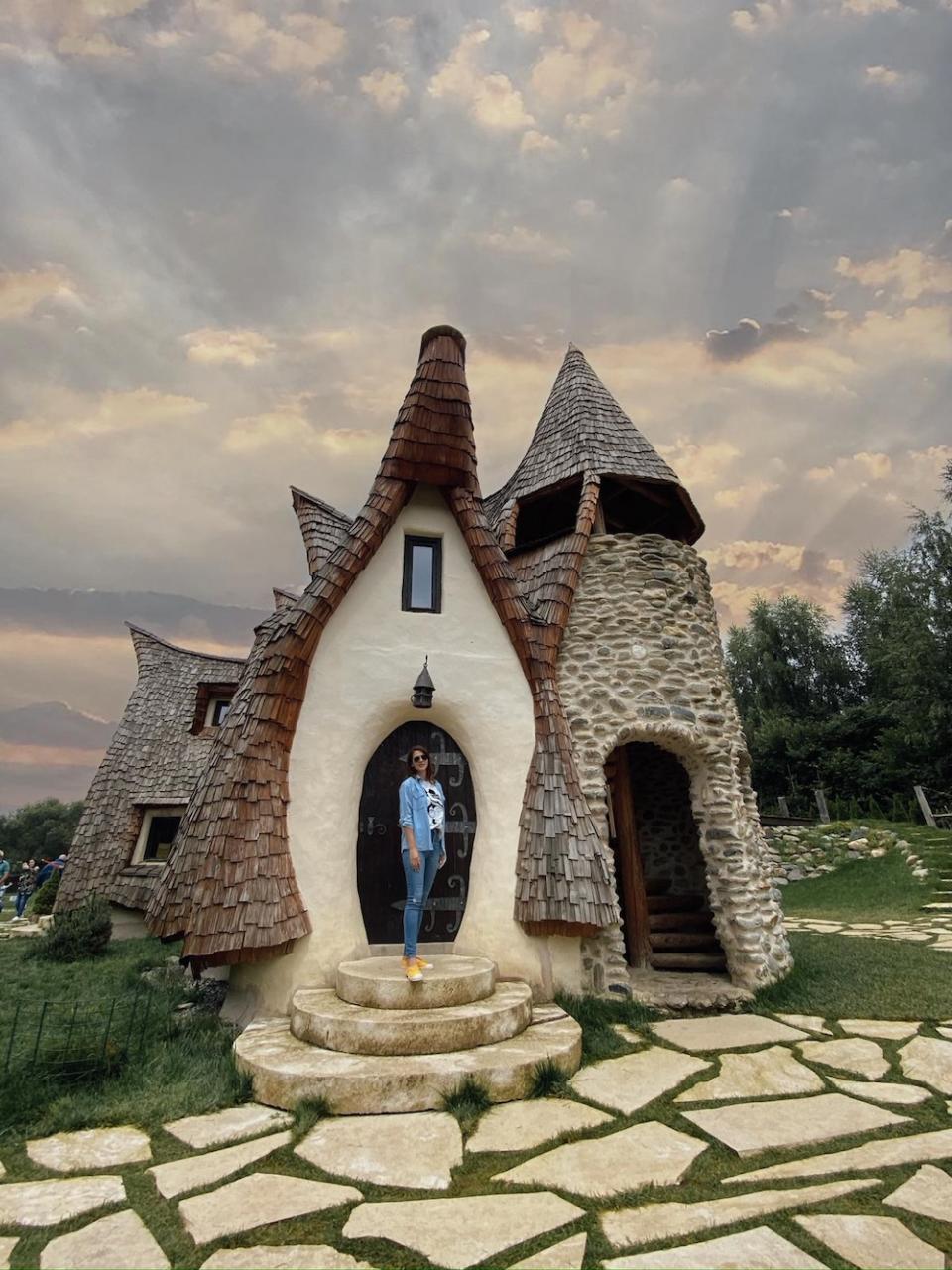
For a unique experience, my program, “Nomad in Transylvania,” offers digital nomads the opportunity to set up a work base here while immersing themselves in the fairy tale landscape and traditions such as cheese making, textile weaving, wine tasting, and truffle hunting.
6. Houston, Texas
HTX highlights, from an AMG transplant
Luke Burke
By Luke Burke
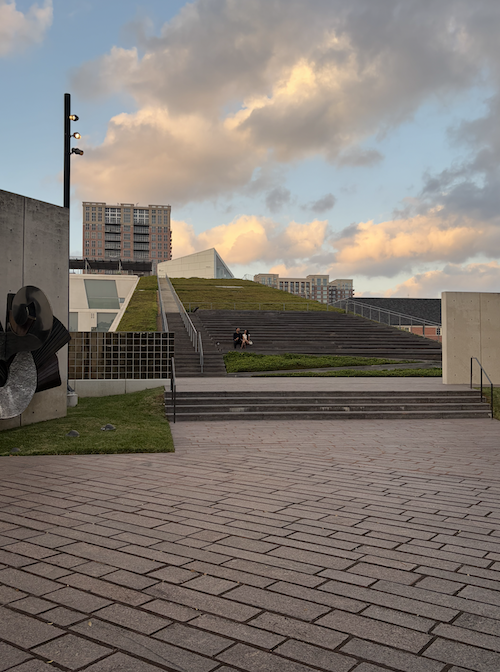
As a recent graduate, I landed in Houston in July with the promise of a job, knowing little about the city beyond its unforgiving climate. But, as the months passed and the weather grew more pleasant, it revealed itself to be beguilingly alive.
Hotel Saint Augustine, bordering the Menil Collection art campus and the Rothko Chapel, is set among Houston’s prized live oaks, with a courtyard full of the eponymous Saint Augustine grass, native to the area. The renowned local chef Aaron Bludorn’s Perseid, an inventive rendition of a classic bistro, sits at the center of it all. I like the B.L.T.
From there, it is a nice walk through the Montrose neighborhood, known for its art and food scene. Un Caffe serves empanadas, tacos, croissants, and various drinks, including an Einspanner coffee, a Viennese drink consisting of espresso and whipped cream. A 15-minute drive north gets you to The Heights, a quiet section of the city filled with Victorian homes along a tree-lined boulevard, as well as antique and record shops — and, busy CasaEma, where the French toast is a favorite.
The Museum of Fine Arts, Houston houses almost 80,000 works across nine facilities, some connected via underground tunnels, making it the second-largest art museum in the Americas. The Nancy and Rich Kinder Building showcases art produced post 1900, including a street-level display of works by Jean Tinguely and Pablo Picasso, among others. If you only have time to see part of the museum, this is it.
For dinner, Tiny Champions and its nearby sister restaurant, Nancy’s Hustle, serve a great salami picante pizza and grilled ribeye, respectively. Back in The Heights, Baso is a Basque-inspired restaurant offering various wood-fired dishes.
7. Valencia, Spain (Accessible Travel)
Vibrant, vibe-y, and easy to roll with
By Ken Opalsky
It’s hard to talk about Valencia without comparing it to Barcelona. While the Catalan capital gets well-deserved love, the overwhelming crowds I experienced there last year were not something to love. A far more satisfying stay was two weeks in Valencia, an eastern Mediterranean port city that also features a stunning mix of Gothic and modern architecture, wide beaches, and an exciting food scene. Yet, Valencia has a vibe all its own: laid-back and less traveled, you quickly feel like a part of this vibrant city, not just a tourist.
For me, an important feature was Valencia’s terrific wheelchair accessibility. Wide sidewalks and accessible buses and trains made getting around easy. Most sites, shops, and restaurants were fully or mostly accessible. Two spots at opposite ends of the architectural spectrum not to be missed are the Silk Exchange (La Lonja de la Seda), a Unesco World Heritage Site with a breathtaking spiral-columned trading hall, and the futuristic City of Arts and Sciences building, a dazzling complex of white concrete and brilliant blue pools. So futuristic, it was unsurprisingly a location for the Star Wars series “Andor.”
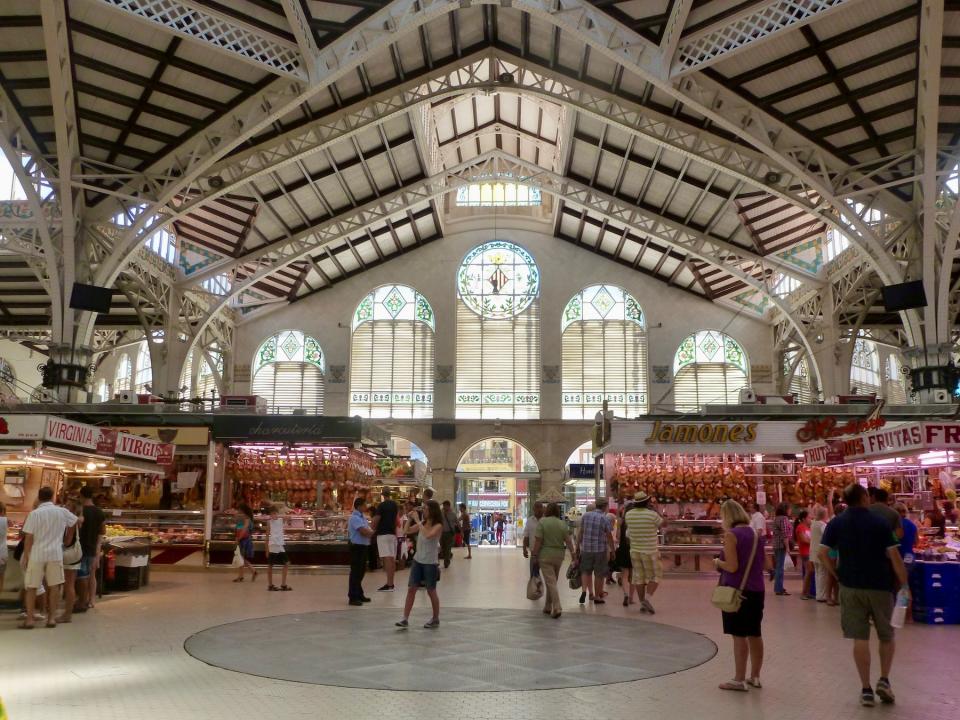
Paella is Valencia’s most famous dish, widely available and never disappointing. Chicken and rabbit are most traditional, but I preferred the seafood version. For delicious tapas, Casa Montaña in a must, established in 1836. Or, the Central Bar which sits conveniently in the pedestrianized Central Market.
Boardwalks along the beautiful beaches extend near the water’s edge, making it easy to roll on and off. Accessible showers and amphibious wheelchairs are also available.
Valencia stands on its own as a destination, not simply an alternative to Barcelona.
8. Bristol, Rhode Island
Every day is Fourth of July here
By Judy D’Mello
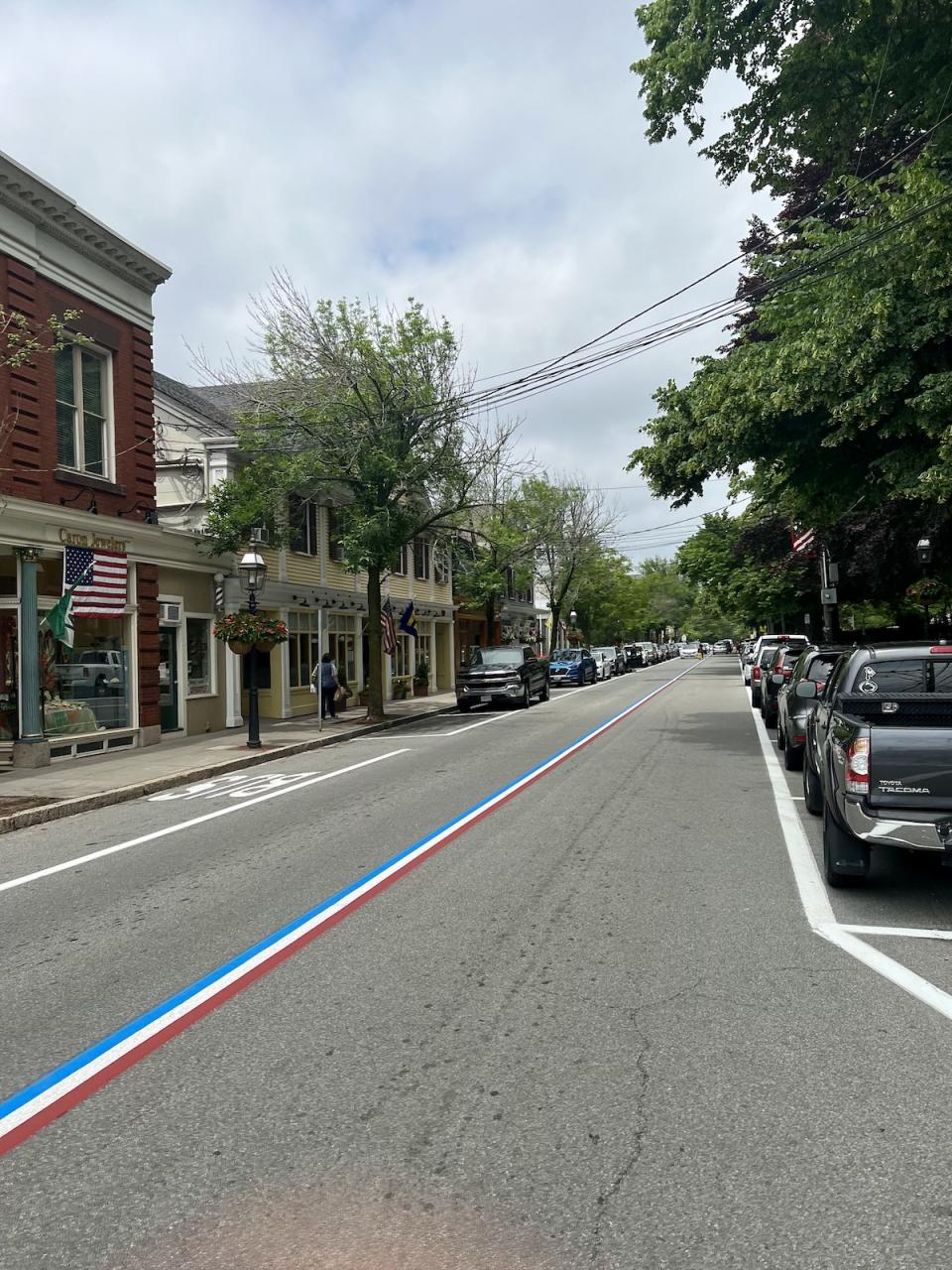
This year marks the United States’ 250th birthday and it doesn’t get more Yankee Doodle Dandy than small town Bristol, in America’s smallest state, and home to the oldest, continuous Independence Day celebration in the country, dating back to 1785. But its patriotic vibe isn’t reserved only for one day in July — the center line on Hope Street, the town’s main thoroughfare, is permanently painted red, white, and blue, a federal exemption to standard traffic laws.
An easy, 30-minute drive from flashier Newport, there’s lots to explore throughout the year. Blithewold is a 45-room English-style manor house (warmer and less bling-y than Newport’s mansions), poetic gardens, and arboretum that overlook Narragansett Bay, from which to observe the area’s sailboat obsession. There’s wildlife spotting at nearby Seapowet Marsh, a lotus-filled pond that’s a teeming ecosystem, and Fogland Beach, a blackstone shoreline that’s perfect for kayaking and windsurfing. Back in downtown Bristol, stop for a pint and a burger at DeWolf Tavern, in what was once the DeWolf Rum Distillery situated on the waterfront landing.
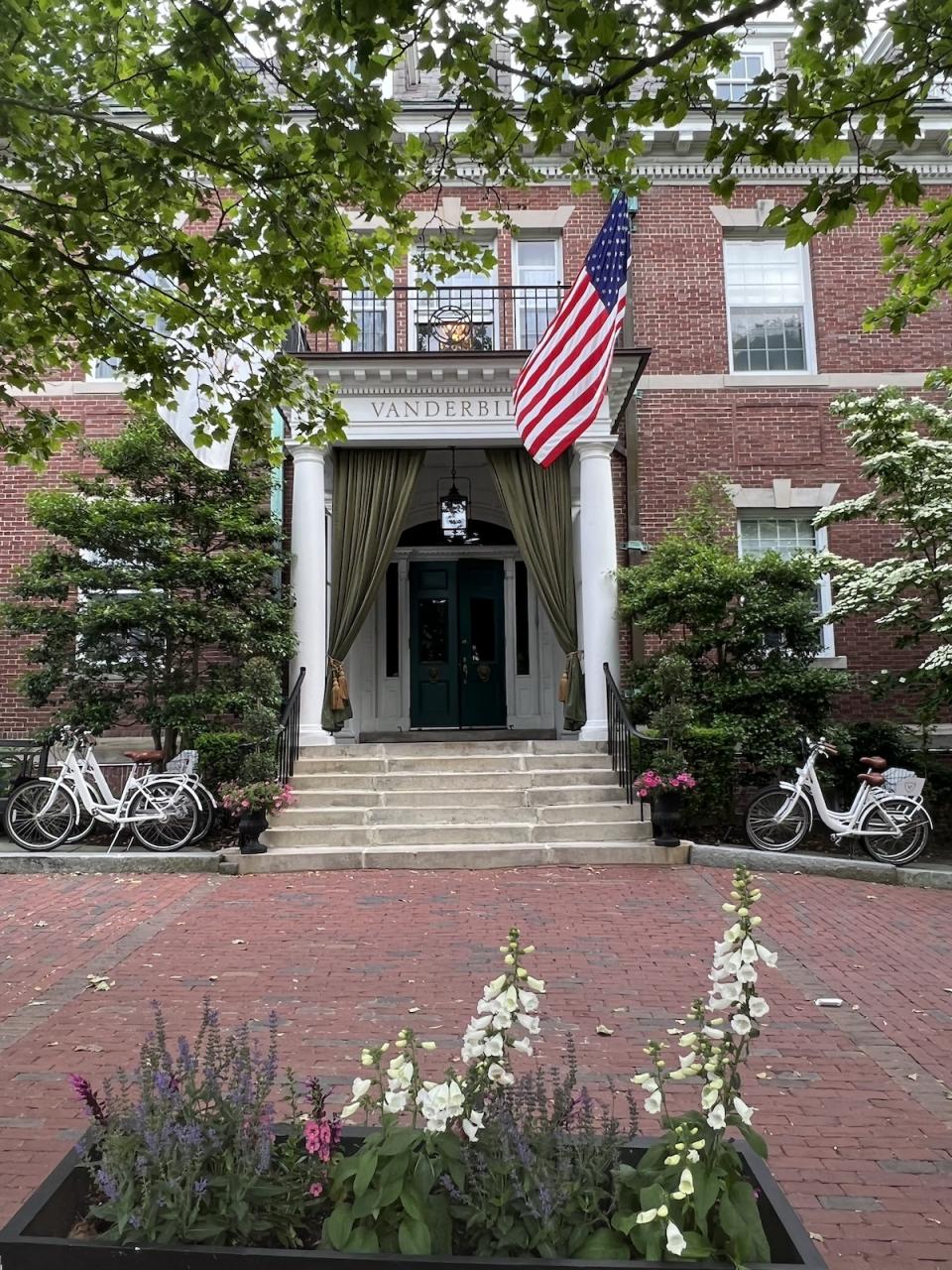
However, to sleep like a scion, head to Newport for a night at the Vanderbilt Hotel, a restored Georgian-style mansion said to have been built for the mistress of Alfred Gwynne Vanderbilt. Gilded Age flourishes abound from sumptuous bedrooms, a Doris Duke-inspired parlor, and a secret bar, in which a Vanderbilt martini is a must.
9. Machias Seal Island, Maine
Where puffins have Swifty-like star power
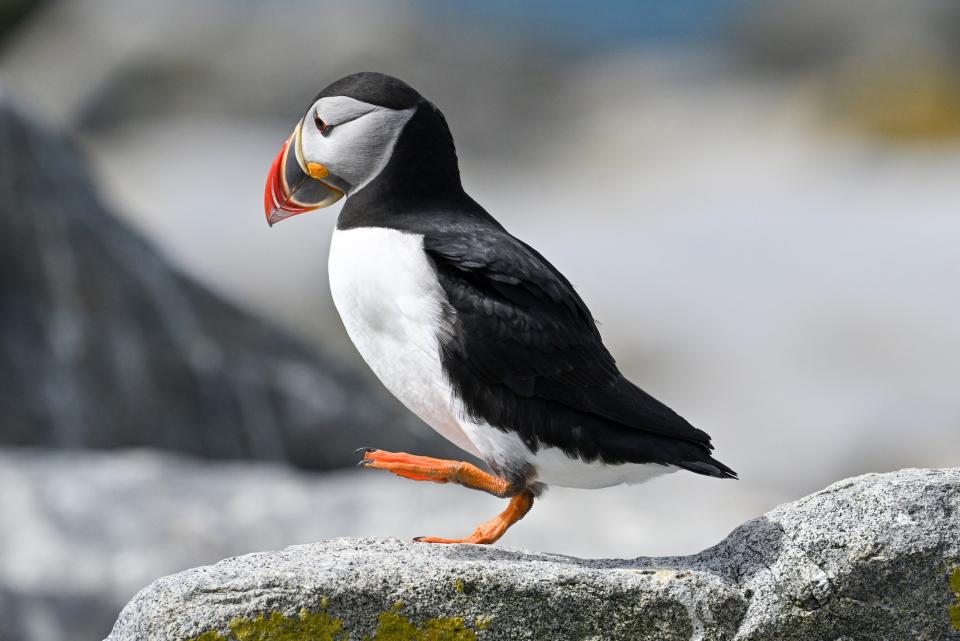
Go wild in 2026 and venture off well-trodden paths in the picturesque harbor of Cutler, located along the jagged, unspoiled coast of Maine.
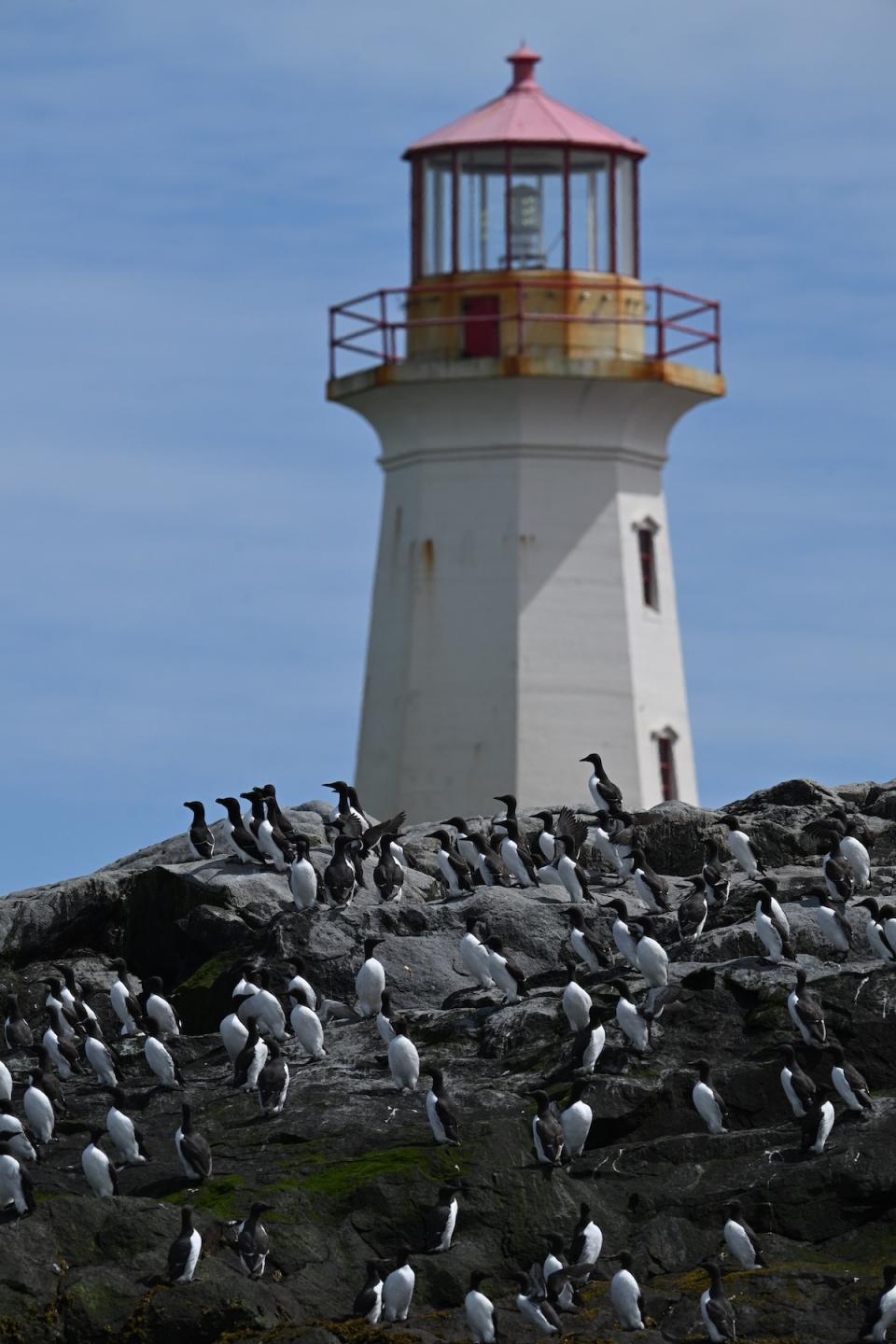
From the end of May until early August, the Bold Coast Charter Company’s 40-foot vessel leaves the small fishing village for a five-hour excursion to Machias Seal Island — the only place in the United States to see Atlantic puffins at close range. The caveat is that getting a ticket is like securing admission to a Taylor Swift concert. Sometime in March, ticket sales go live on the charter company’s website, and they’re gone within minutes.
Another challenge is the weather. The island with the puffins — and other wildlife — is in the Bay of Fundy, which can experience seas not conducive to a cruise. Sometimes you can get out to sea, but then not be able to board the slippery plank onto the island. I admit, it took three attempts before I successfully boarded the boat and the island. It was worth the wait! The birds are entirely unaware of your presence from a location in a small blind with a few other people. I took photos with my professional camera, but a cellphone works too.
If you happen to miss the boat, visit Lubec, about 30 minutes away. Take your passport and cross the border into Canada’s Campobello Island, where Franklin and Eleanor Roosevelt’s cottage is open for tours. Also, Lubec is the easternmost point in the United States, so stand at West Quoddy Head Lighthouse at daybreak and be among the first in the country to watch the sunrise.
-- Susan Pierter is a writer and photographer based in Maine
For tickets and information, visit boldcoast.com or email [email protected].
10. Helsinki, Finland
In the land of 3 million saunas, the sweatiest of adventures
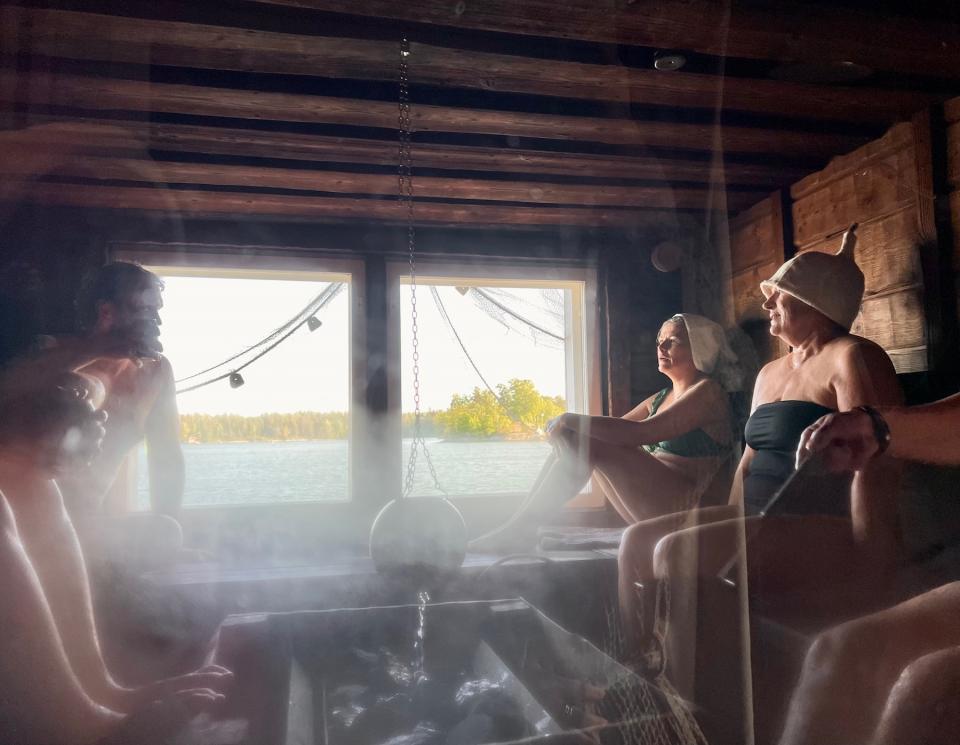
I jump-started my summer travel by saying yes to an invitation by the World Sauna Forum to discover Finland through its bathing culture, at the heart of which is the sauna. Meant to be shared, in good company, the country’s sauna ethos is all about steaming, sweating, and dissolving into a wonderful kind of togetherness, among family, friends, and even strangers.
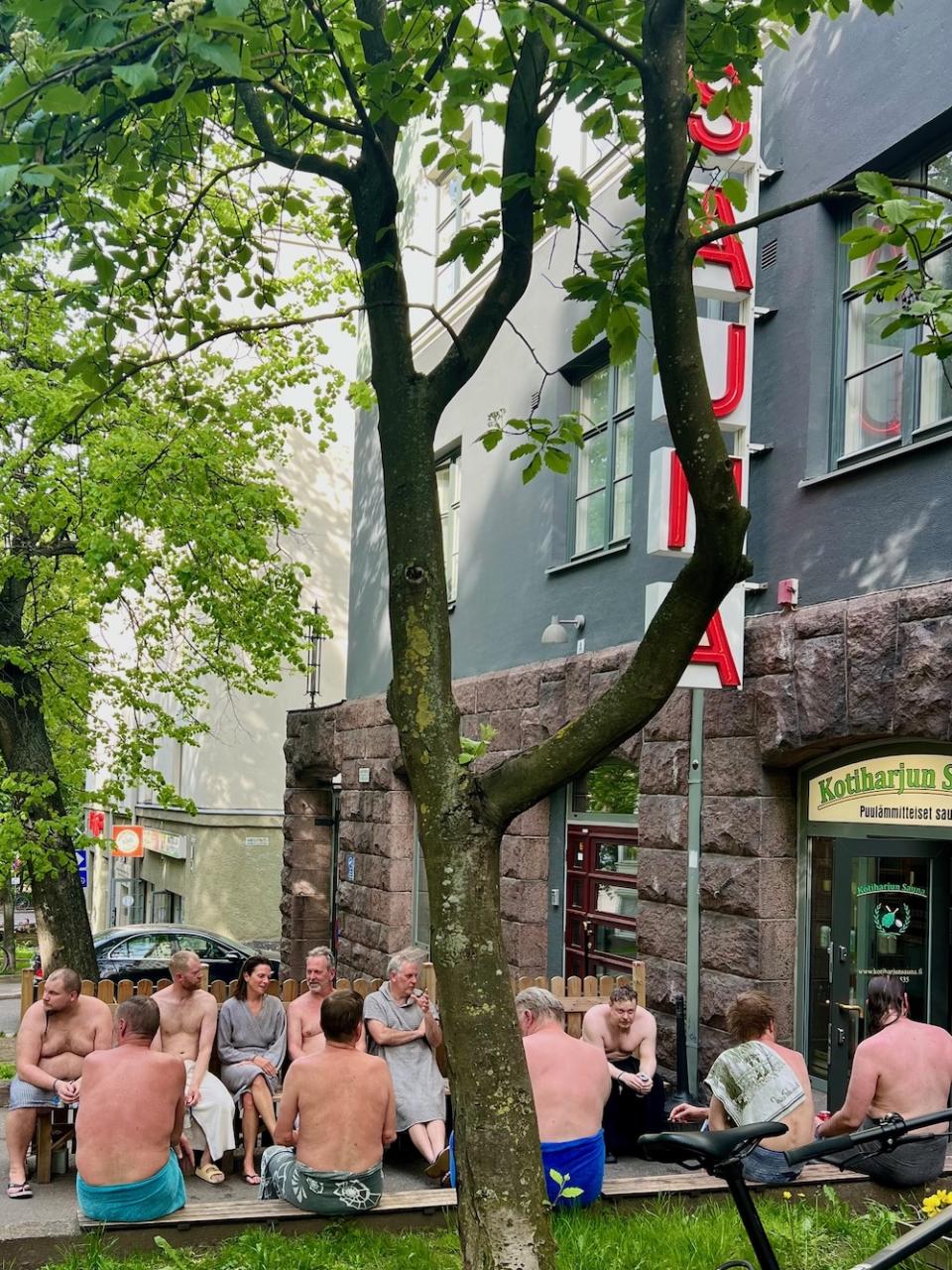
Kotiharjun is Helsinki’s last remaining wood-fired public sauna, open since 1928. Walk through a park of tulips until you see a large “SAUNA” sign glowing in the distance, and a double row of half-dressed people sitting on the outside ledges cooling off. This is the unadorned local, no frills real deal.
Lonna Sauna, located on a former military island, a seven-minute ferry ride from the coast of Helsinki, is an urban retreat. The vibe is relaxed, all-welcoming, local, contemporary. Sip a Fat Lizard local beer while gazing at the sea. Other must-tries: Löyly and Kulttuurisauna. But, top of my list is Furuvik Seaside Sauna, located on a forest beach. Drop into a true piece of Finnish living, explore and linger at your own pace amid the sea air, birch, sausages roasting on the open fire, and laughter, before jumping into the Baltic Sea.
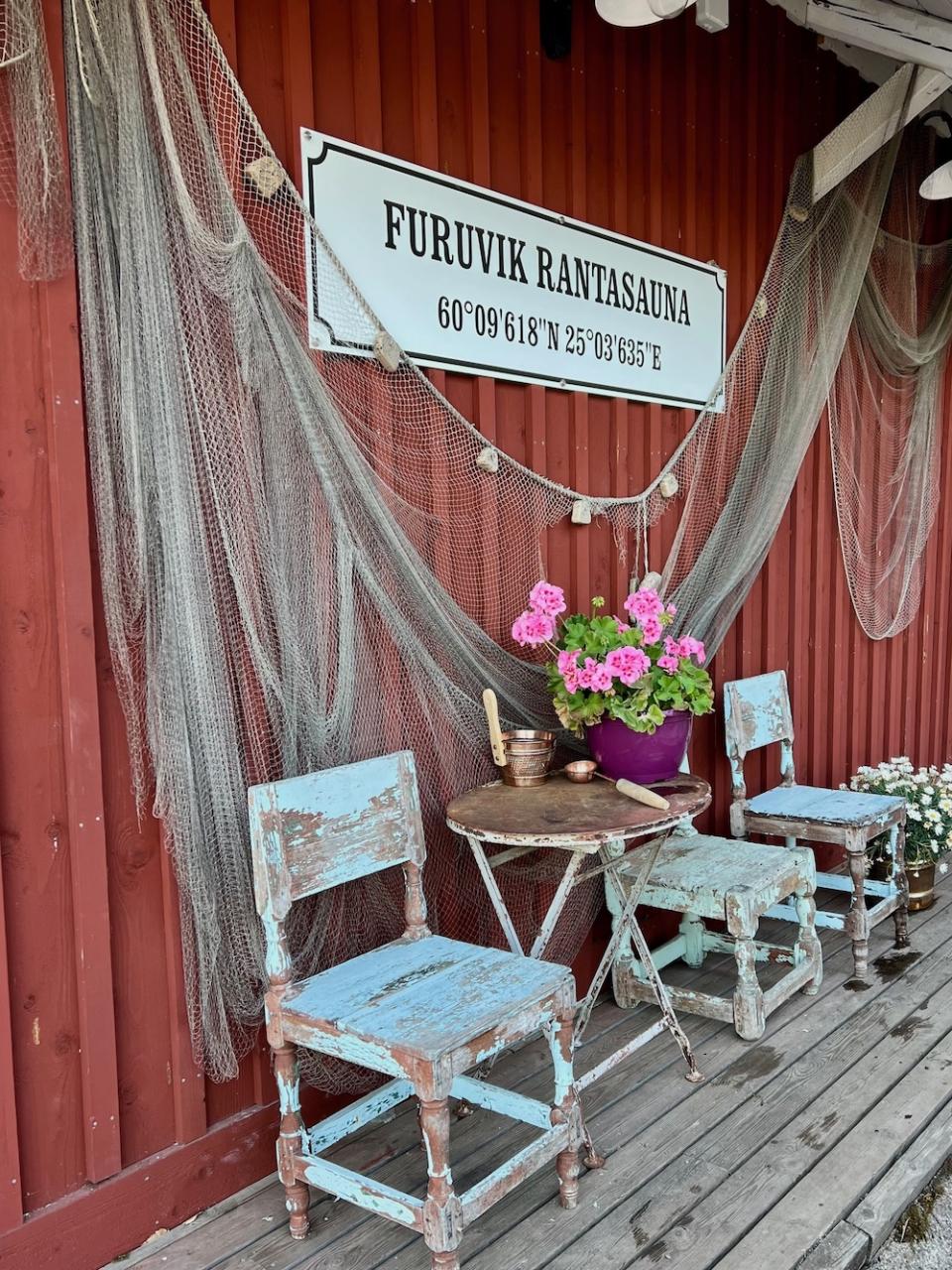
Take a break from the sweat fest and visit the Oodi Library, a striking glass and steel structure, and HAM, the Helsinki Art Museum and home of the Helsinki Biennale. Try Rams Roasters for pre-sauna coffee and Ravintola Kuurna, a quaint bistro in the Kruununhaka neighborhood, for apres sauna feasting.
Lapland Hotels Bulevardi was my base, wonderfully cozy and Nordic, filled with reindeer and sheep skins — the forest brought indoors — and in-room saunas.
Visit my website and join me on a midsummer Finnish bathing adventure.
-- Patricia Garcia-Gomez is a sensory immersion artist and writer
11. Eygalières, Provence
Nouveau influences, yet still enchanting and eternal
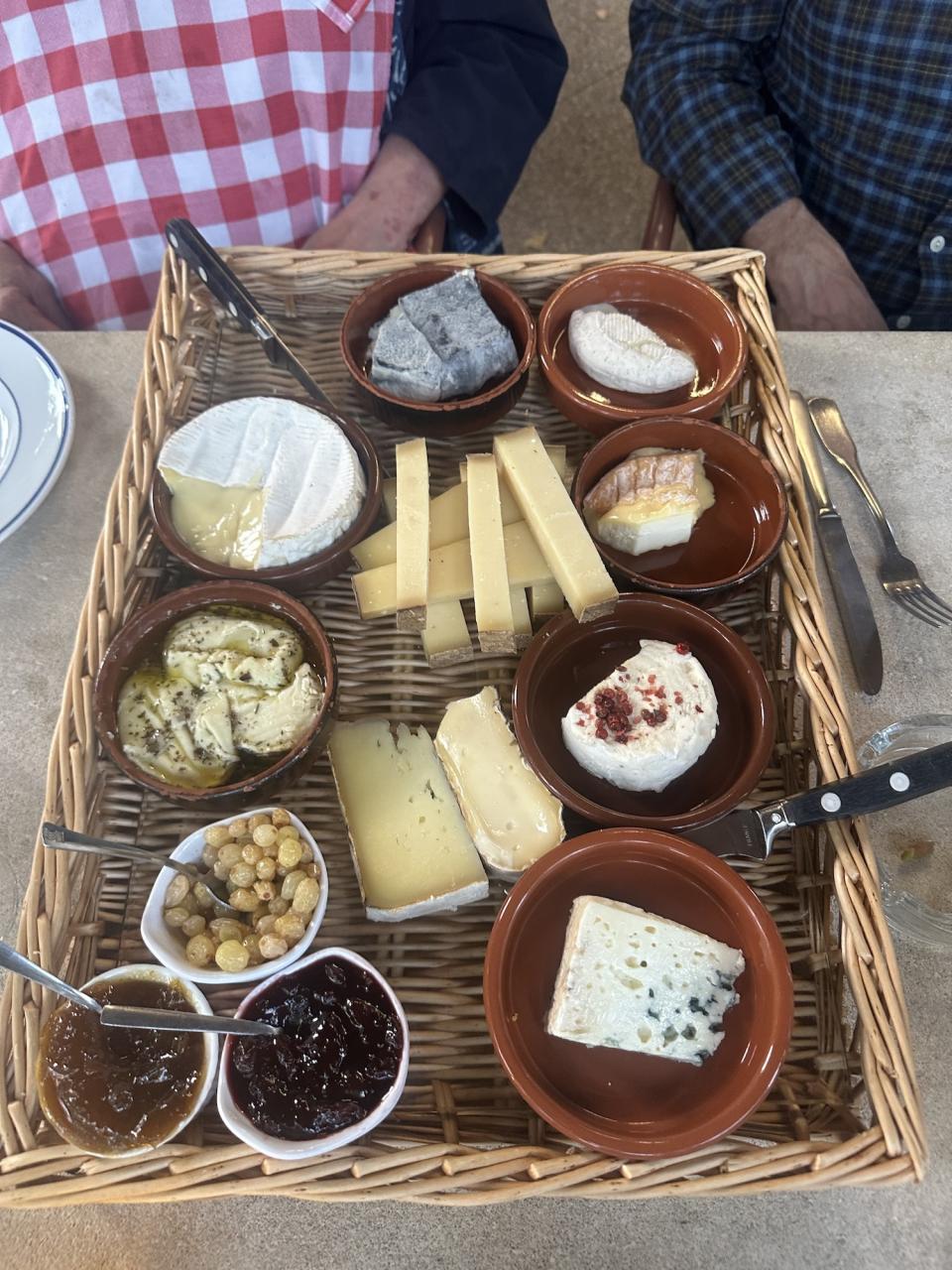
“Provence is a country to which I am always returning,” the English food writer and original influencer Elizabeth David famously said about this slow-paced paradise of jagged limestone cliffs, sharp sunlight, and an earthy, expressive cuisine.
Eygalières, a small sloped village in the Alpilles mountains, makes an ideal home base. Its main street, small but precise, features a chef-approved butcher and, nearby, an outstanding Friday farmers market, at which a Hugh Grant or Heston Blumenthal sighting is possible, since both have homes in the village. The line at Chez Emily Fromagerie starts at midday, where an all-female crew bring style and wit to the cheese and sandwich shop model, including a Frenchified hot dog that’s on my top-10 list.
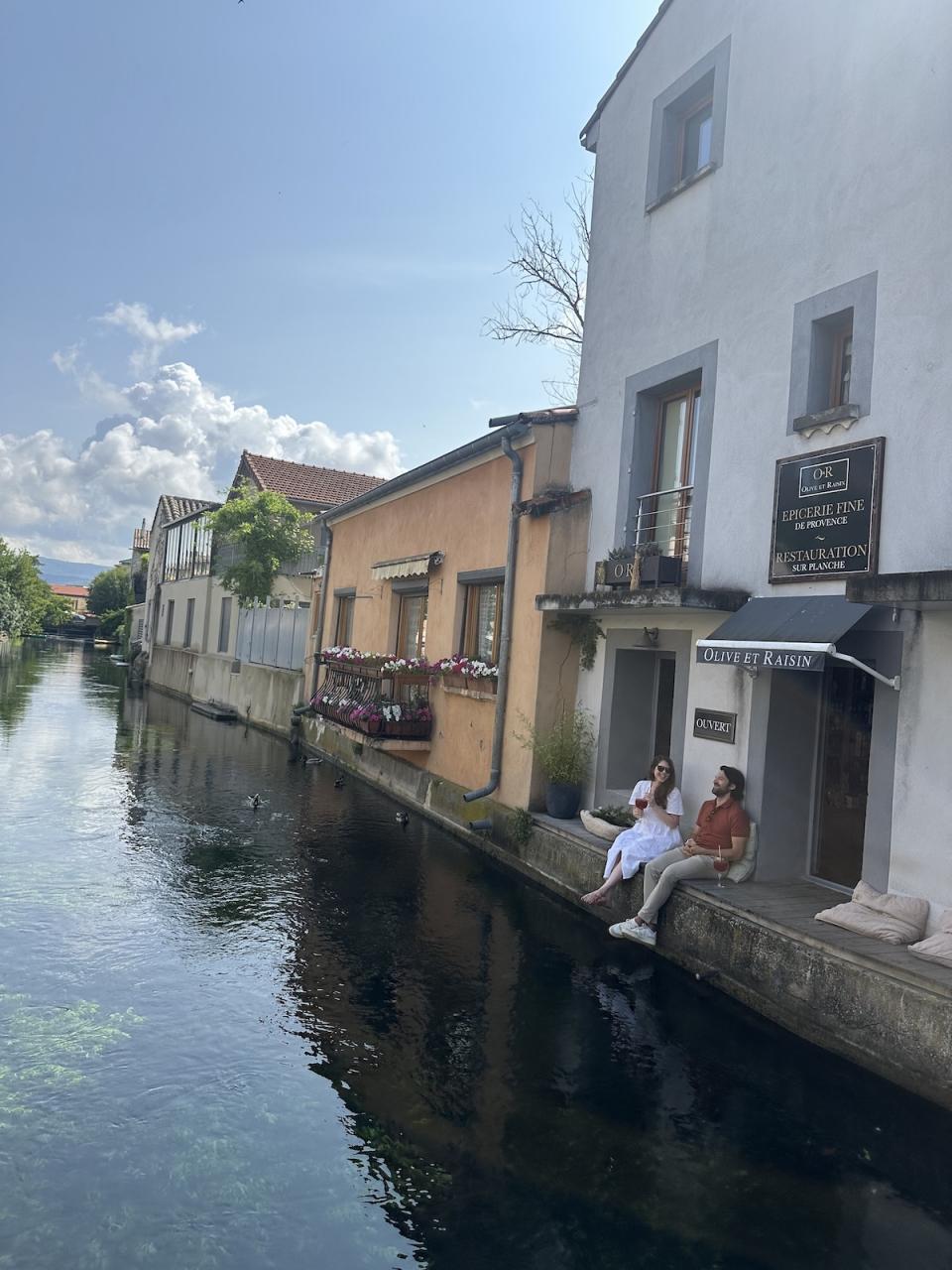
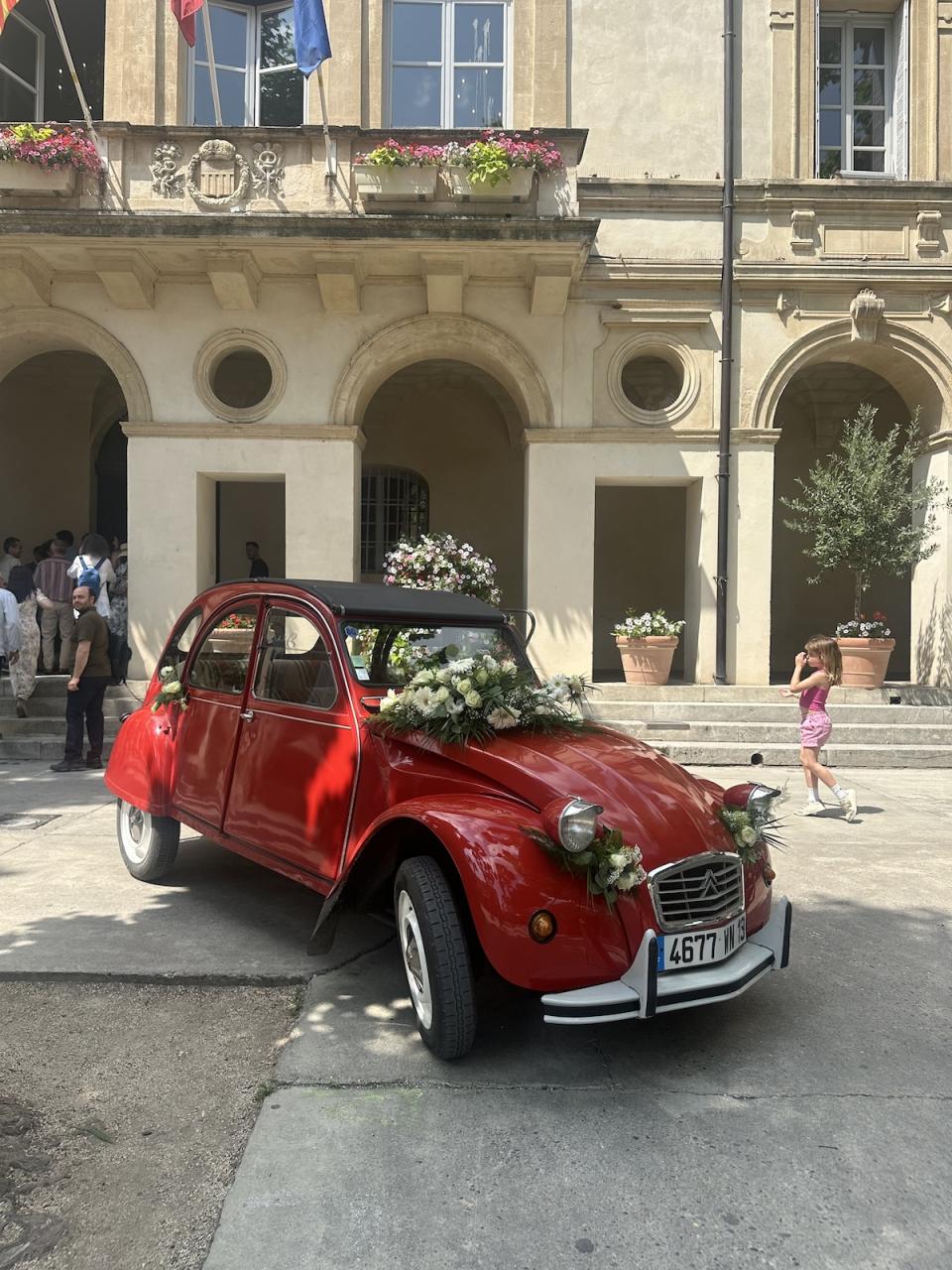
Day trips to the medieval village of Les Baux and Villa La Coste, the Jean Nouvel designed winery, hotel, and luxury spa, hosting a mega art collection and the wood-fired cooking of the Argentine chef Francis Mallmann, are not to be missed. Similarly, a 5K bike ride along a paved pathway to Saint-Rémy, with a stop at Terre et Blé, where talented young bakers mill ancient grains to produce standout bread is a must. For an excellent espresso and Talking Heads soundtrack, try Colette Café.
Le Bistrot du Paradou remains restaurant theater at its best. Under ancient plane trees, the terrace bustles with cigar smoking Bugatti drivers, American families, and cute couples. Over a four-course, prix-fixe menu, dig the scene, delicious lamb chops, Côtes du Rhône, and a transcendent cheese course.
Back in Eygalières, bull-rearing cowboys — Gardians — on white horses, line the road as a thundering herd of bulls stampedes by. The riders then form a circle and sing to the sky as the sun sets over the jagged hills.
I’ll be back, Provence, now more than ever.
-- Kathryn Kellinger is a cookbook author
12. Kalk Bay, South Africa
For the world’s coolest bookstore
By P.S. Hanlon
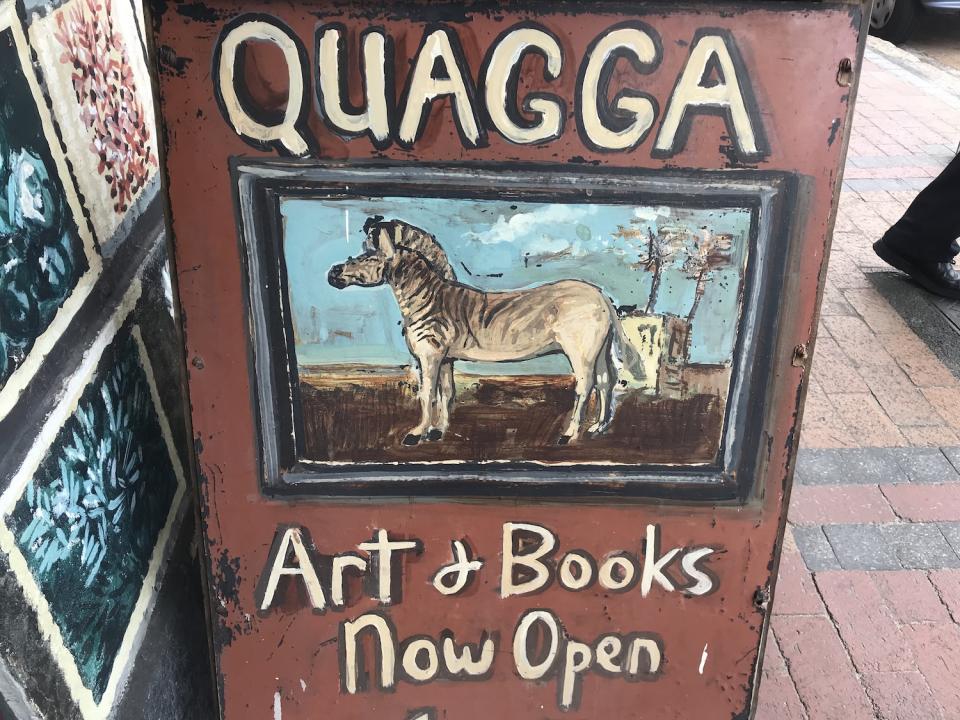
The main point of traveling, I have always felt, is not to follow someone else’s footsteps but to find your own way. It makes discoveries that much keener. The exception to this is flea markets and bookstores. Recommendations required. A potent example is Quagga Rare Books and Art, in Kalk Bay, South Africa, a palm-sized town snugged into the surf coast of the Indian Ocean, just a few miles from the delicious Constantia wine country.
Unlike the Atlantic coastline, located about 20 miles east and ripped by tiger winds, the Indian Ocean side of Cape Town’s peninsula has gentle tide pools and rolling surf. And, Kalk Bay with its saltwater air, coral blue skies, white sand beaches, ice cream, seals, and penguins.
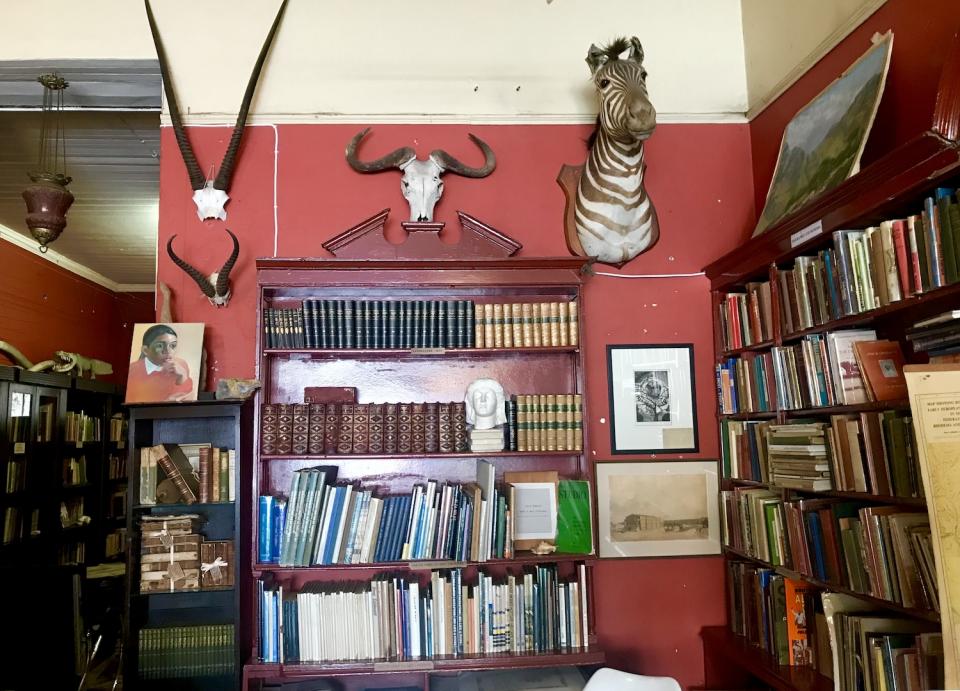
Stumble into Quagga Rare Books. Look, you have to like this sort of thing. Explorers, scientists, adventurers, writers of every kind have come through these parts since Magellan (1520) and Sir Francis Drake (1580), so respect the unexpected. A warthog skull resting atop a bookcase. A footstep carved into marble. A complete history of the late rebellion (dated 1716). On the wall, a sign reads, “Every word is a bird we teach to sing.” Maps, maps, maps. A terrifying voodoo figurine embedded with nails: bad juju in the land that invented juju.
Imagine a worn leather chair where Stanley and Livingstone or Sir Richard Francis Burton might have plopped down. A naturalist’s drawings from another century. A wooden box filled with ephemera — the outside of the box is stenciled with the words “Penguin Eggs Handle With Care.” A Pokot shield and spear appropriated somewhere, somehow. These things mingle well with hard-to-find books on craft, design, architecture, cooking, literature, and poetry. Books fit easily into backpacks, suitcases. Once in a lifetime.
13. Joshua Tree, National Park, California
Weird, wild, and sensorial
By Judy D’Mello
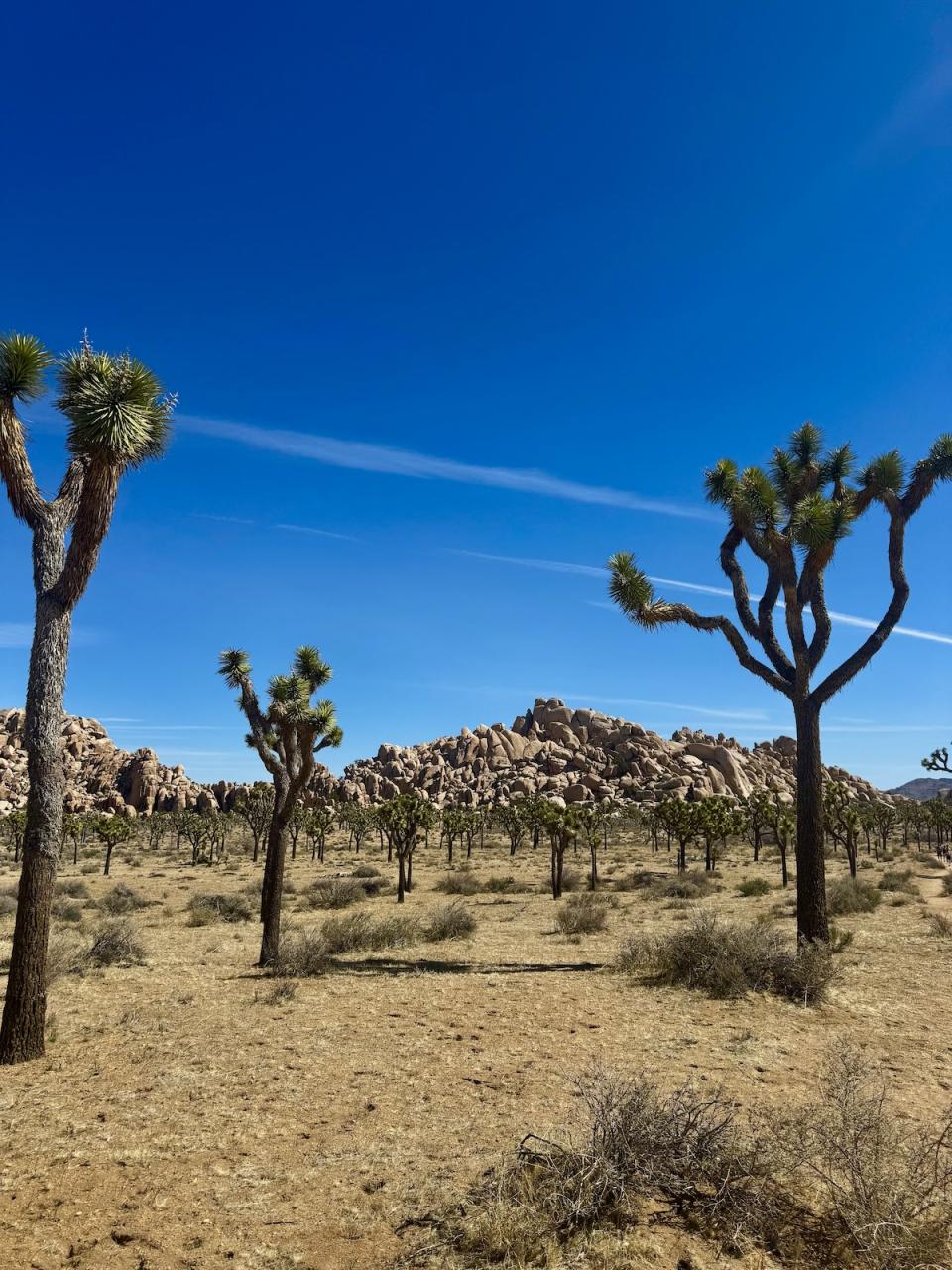
There are places far hotter than this. April promised pleasant daytime temperatures of 70 to 80 degrees. But, what no one tells you about is the sun. It blares and it blares. It blares from above and up from the ground. It blares sideways and always, until you’re ready to drop to your knees from all that blaring. There are hardly any clouds in the Joshua Tree National Park, this parched place where the Mojave and the Colorado deserts meet. It receives so little rainfall that the clouds can’t be bothered to come.
But, the desert is a place of extremes, and metaphor, and allegory. A hike through the nearly 800,000-acre park is a hallucinatory experience. The landscape is brutal and beautiful. The gnarled, twisting, beseeching arms of a thousand Joshua trees are grotesque and gorgeous. No wonder, according to local legend, the Mormons thought they were the biblical Joshua, arms extended in prayer.
At some point, the flat earth segues into enormous jumbles of boulders that form colossal shapes of skulls, teeth, and spines. Only an hour from glitzy Palm Springs, it is a land of otherworldly emptiness, seemingly dead but very much alive. Fair warning: Such surroundings can spur on small epiphanies about your place in the great wheel of nature and time.

Virginia Edwards
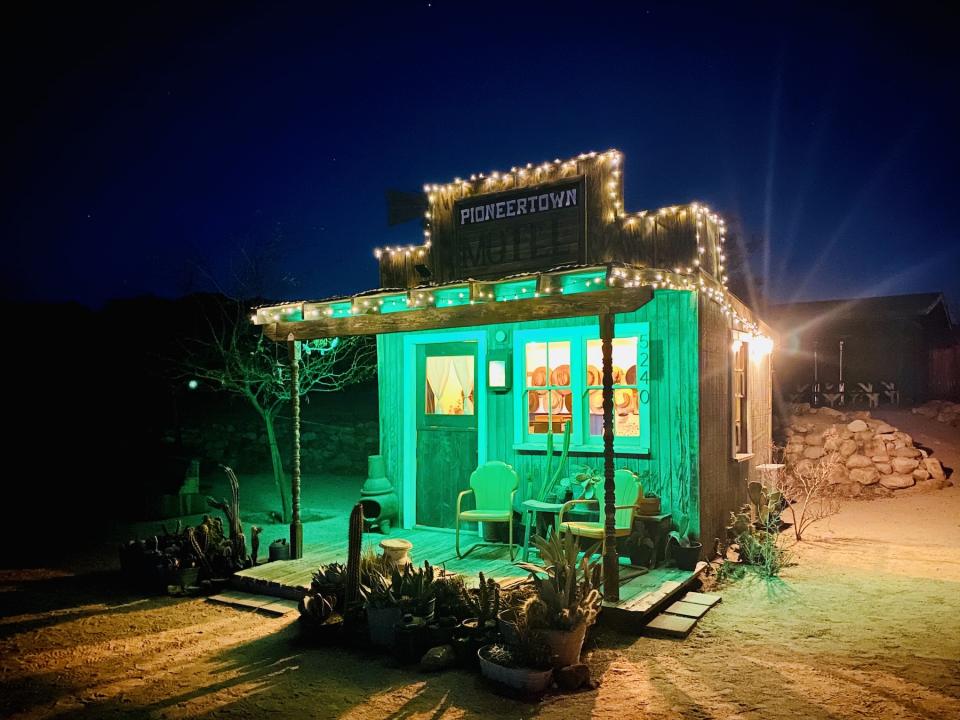
More kookiness outside the park. The Noah Purifoy Desert Art Museum is a Mad Max-like setting filled with art made from found objects. For quirky antique and thrift stores, and a break from the sun, head into Yucca Valley and Algoberto’s Taco Shop — a must. Then, stay the night at the hip Pioneertown Motel, about 20 minutes away, and drift off to the words of Dr. Seuss: “But those trees! Those trees! Those Truffula Trees! All my life I’d been searching for trees such as these.”
14. The Kenwood Ladies’ Bathing Pond, London
Urban wild swimming in no man’s land
By Judy D’Mello
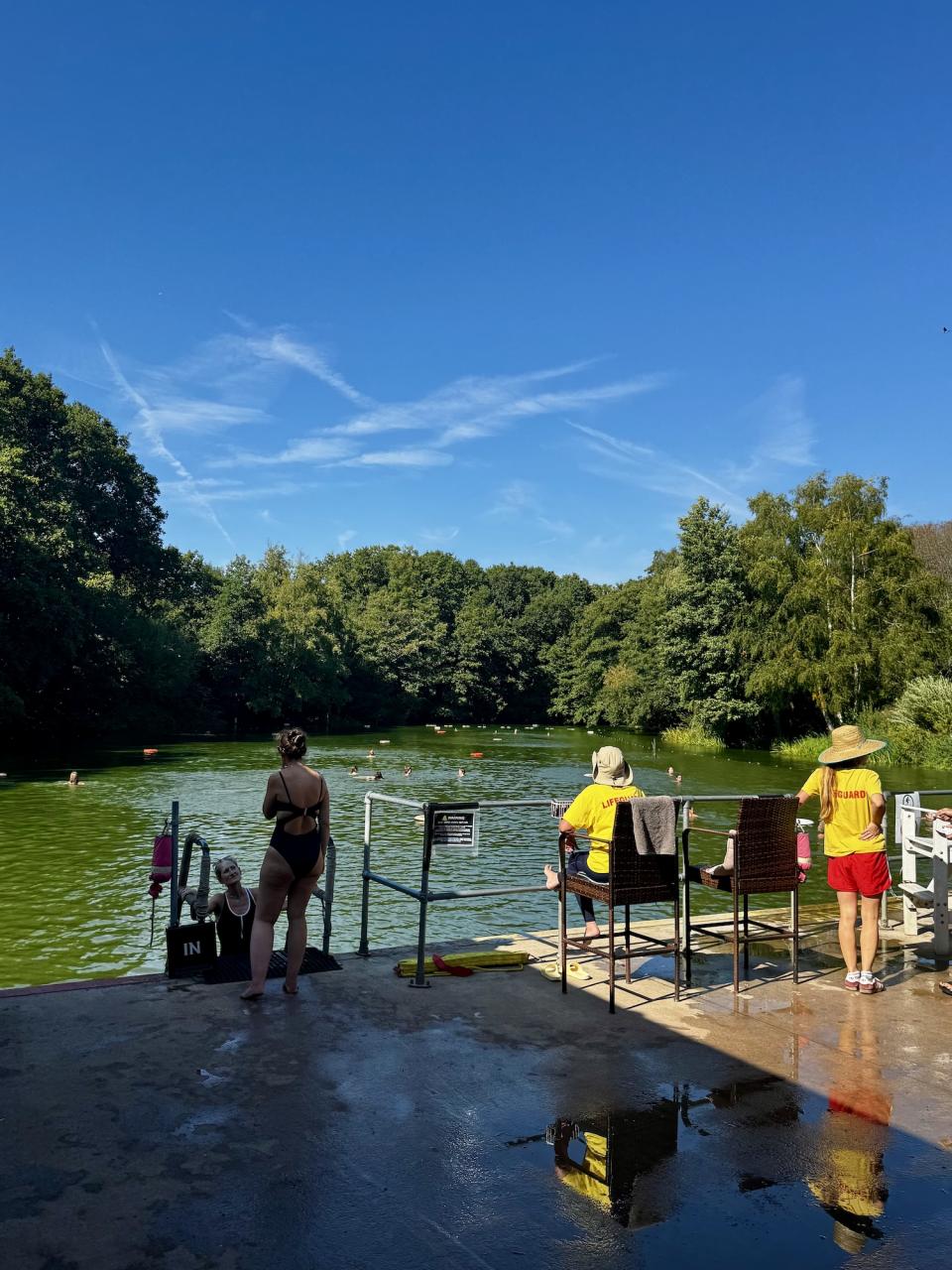
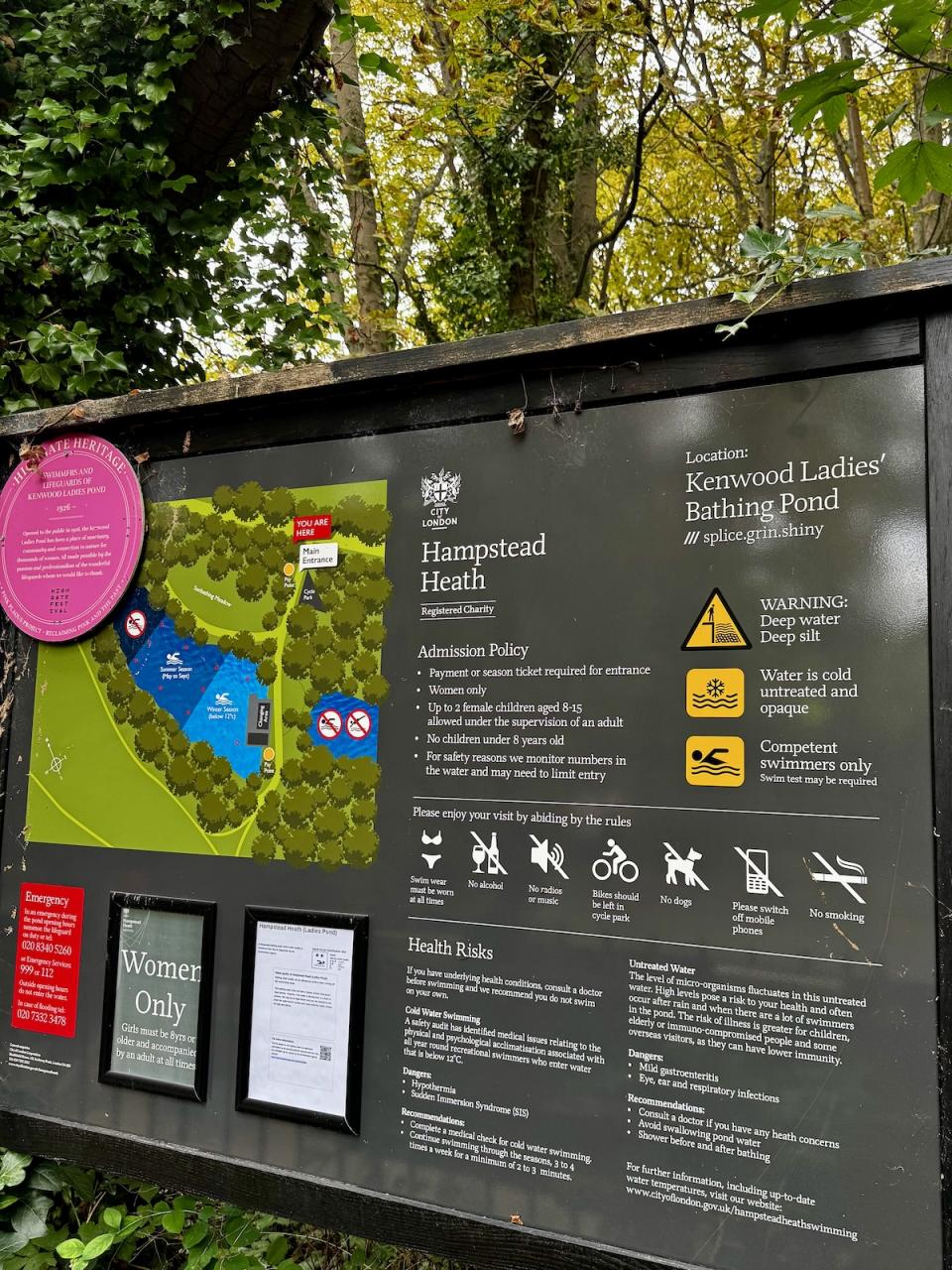
“Women Only. Men not allowed beyond this point,” read the sign. I had arrived at the Kenwood Ladies’ Pond. The sky, a cold, hard, autumn blue. Featured last year on NatGeo’s “Seven Best Wild Swimming Spots in the U.K.” the pond is on the northeast corner of Hampstead Heath — itself an urban wilderness marvel — tucked away on a shady path, about a 25-minute walk from various public transport options. Fed by the city’s subterranean River Fleet, it has existed solely for the purpose of offering women a private place to swim since 1926.
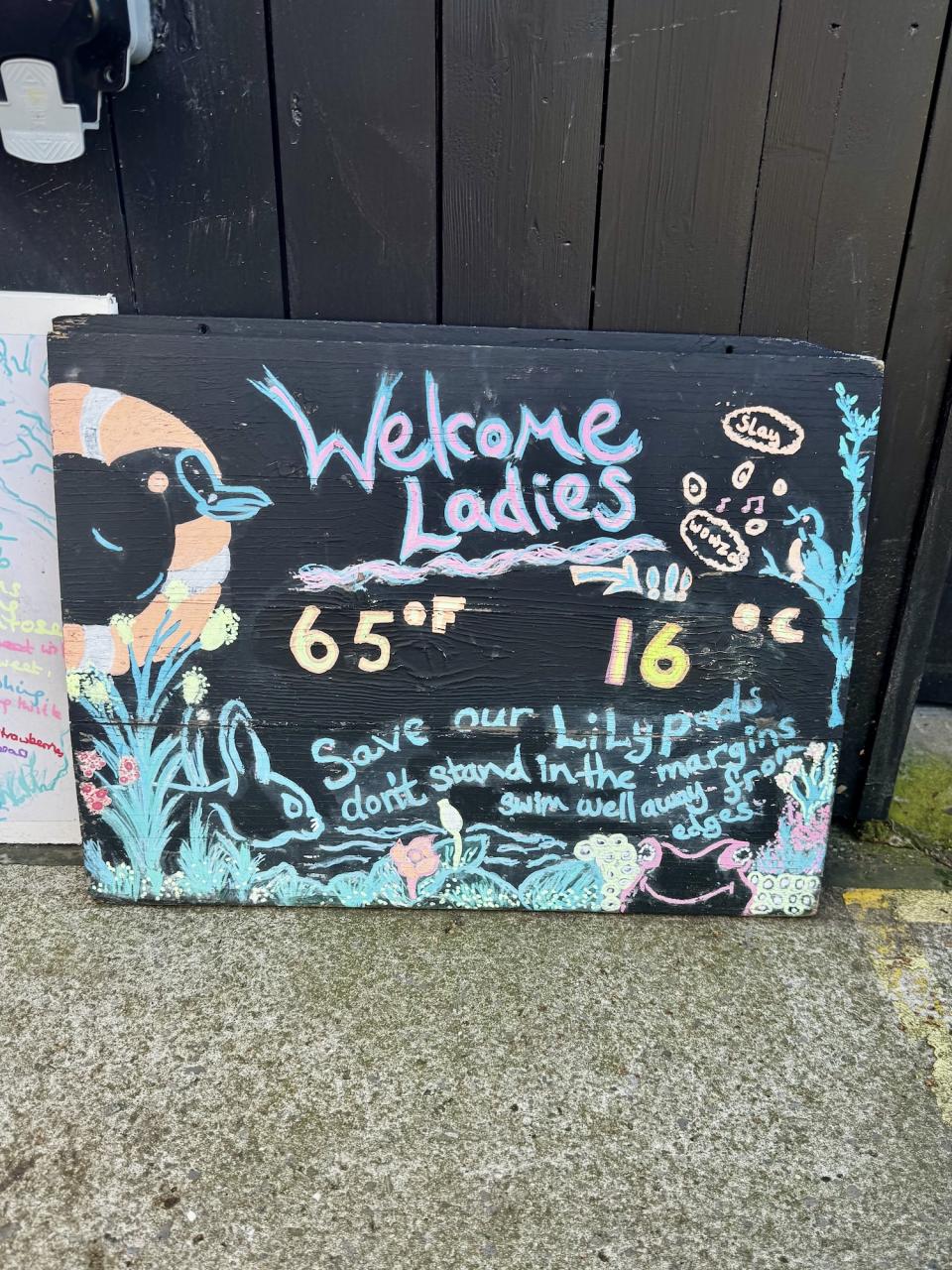
Through the gate — more like through the looking glass — I went, into the spartan but adequate facilities. A handwritten chalkboard sign announced the water temperature: 65 degrees Fahrenheit. Roughly the same as the September chill in the East Hampton bay where I swim all winter. But this was entirely different. The pond is a black trough, brooding and uninviting. Nothing is visible past a couple of inches below the surface. Apparently, carp, crayfish, water snakes, water rats, fleas, and larvae exist below. And — I’m certain of this — mythical water creatures.
Still, with my chin resting on the glassy surface, I felt as though I had been swept into a gorgeous Merchant Ivory film. Weak sunlight, the color of pale ale, streamed through the trees. Dragonflies danced in front of my face, kingfishers trilled, and a mallard glided by with one beady eye on me. Fuzzy ducklings, busybody coots, and moorhens seemed entirely unruffled by the procession of female heads held high, the occasional scream of a cold-water virgin, and the distinctive hum of women’s laughter and chatter.
How is it that such a pool of uncomplicated happiness can exist in the middle of clamorous London?
15. Tasmania, Australia
Show-stopping scenery, whiskey, and devils
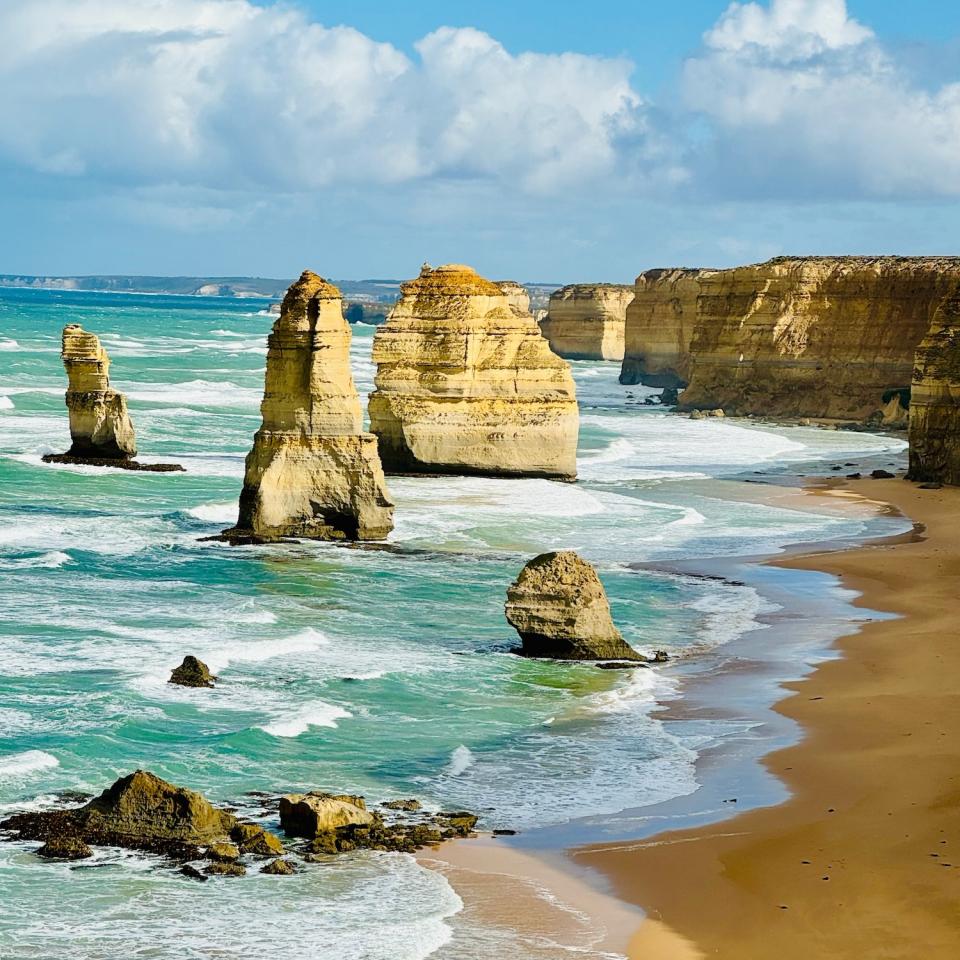
Choosing an Australian destination, or even several, is never easy — this vast country spans nearly three million square miles, eight climates, and three time zones. Sydney is always a great pick, with beautiful parks, beaches, and architecture. Melbourne oozes vibrant energy, with world-class dining and access to the Great Ocean Road, a 150-mile blockbuster of coastal vistas and koalas in gum trees. However, if you really want to get Down Under, then the island state of Tasmania is the pearl of Australia.
The city of Hobart is the perfect base, with markets and art at the foot of Mount Wellington, whence you can explore several “foodie trails” or cruise a wine valley. Renowned for hiking, Tasmania offers an impressive list of “60 Great Short (day) Walks,” a collective launched by the Tasmania Parks and Wildlife Service. You can always treat yourself afterward to a scallop pie washed down with a local beer or whiskey. Don’t miss historic Port Arthur, Australia’s most intact and best-known former convict settlement, established in the 1830s. It’s a reminder of the Indigenous Aboriginals whose unceded land was used to build one of the most famous penal colonies of the British Empire. There’s also the Bonorong Wildlife Sanctuary to get up close and personal with a Tasmanian Devil, the famously screeching scavenger.

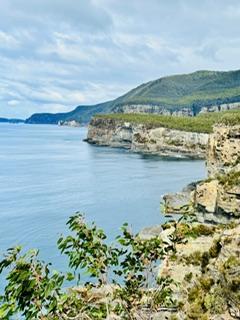
Tassie hospitality is second to none, which is why Tasmania is often a vacation destination of choice for many mainland Australians, as well as visitors from afar.
-- Tabitha McQuade is a travel enthusiast based on the North Fork
16. San Fransisco Bay Area, California
Something for everyone, especially soccer fans this summer
By Sophie Griffin
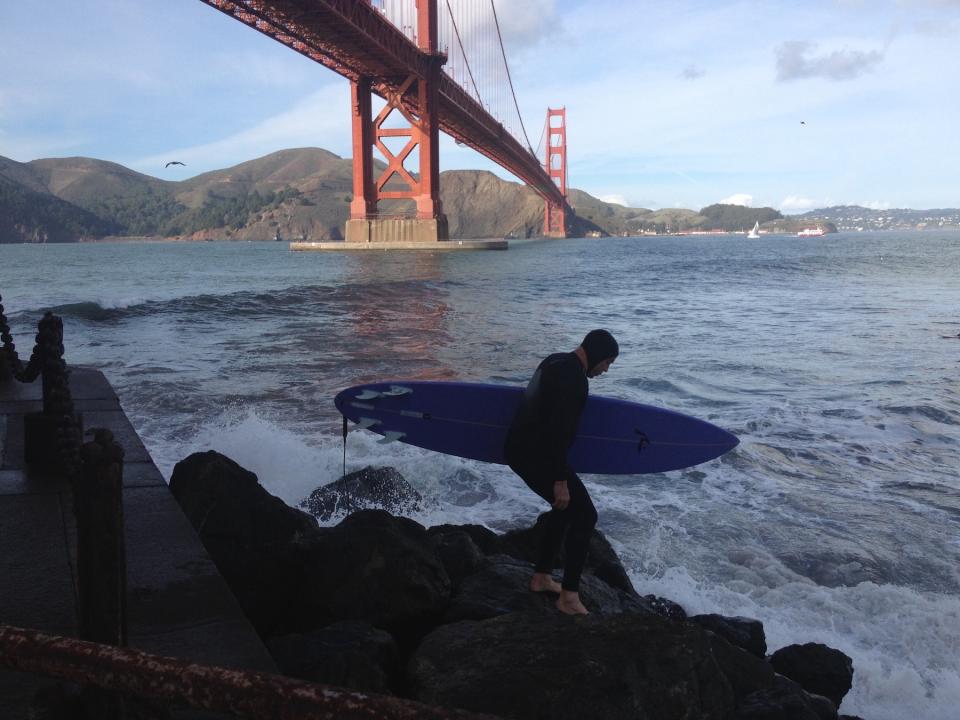
It’s a good year to be a San Francisco sports fan. Sure, the Giants didn’t make the playoffs, but the FIFA World Cup is coming to the Bay Area this summer. Well, technically San Francisco Bay Area Stadium is in Santa Clara, but it’s totally doable to stay in the city itself, and with most of the games in the evening, you’ll have your days free to explore.
For a dose of nature in the city, head to Crissy Field. Located within the Presidio, and formerly an Army airfield, it offers amazing views of the Golden Gate Bridge and the bay — a great place for a beach walk and people watching. If you’re looking for more of a hike, Tennessee Valley in Marin County (just north of S.F. proper) offers options from pretty flat to manageably hilly. On a typical route, you’ll encounter the gorgeous landscape and wildlife, and end in a cove that’s perfect for a picnic.
For more urban pursuits, the San Francisco Museum of Modern Art, semirecently renovated, is a beautiful space with 20th-century art and prominent contemporary exhibitions. The Legion of Honor and de Young are nicely different from SFMOMA, with collections of European, American, ancient art, textiles, and more. Also cool: Hitchcock filmed much of “Vertigo” at the Legion of Honor.
I’ve always liked Japantown to shop (Kinokuniya has books and gifts), eat (plenty of choices for sushi, izakaya, soba, udon), and catch a movie (the Kabuki, now on AMC). S.F.’s Japantown, or Nihonmachi, is the largest such community in the country, and speaks to the city’s status as a major entry point for Asian immigrants.
And, honestly, don’t overthink it — Alcatraz is pretty fun.
17. Over Seas, Nomad Cruise
Have laptop, will travel
By Judy D’Mello
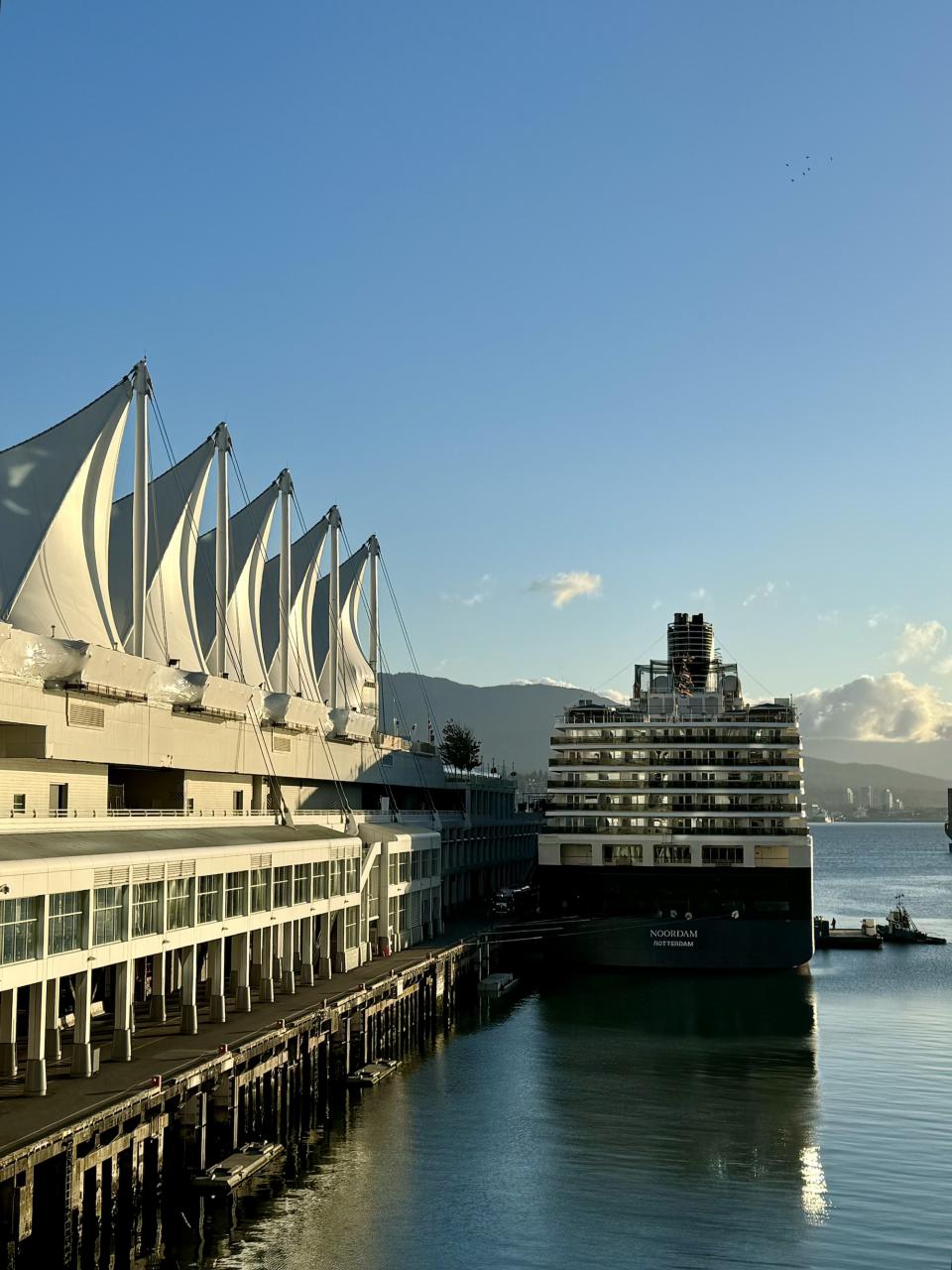
The first sign that things were different on board the giant cruise ship was that several of its passengers greeted one another by bringing their fingers together to form a heart. I had never been on a cruise before, but I could tell that the man buns and tattooed 30-somethings running around crying, “I need a hotspot!” meant this was not your grandmother’s — or even mother’s — floating holiday.
I was on a Nomad Cruise, one of 300 digital nomads piggybacking on a regular Holland America Line ship with 1,600 of its usual, silver-haired devotees. My 13-day, trans-Pacific voyage on board the M.S.S. Noordam, from Canada to Japan via Alaska, cost approximately $3,000 for a well-appointed private cabin with a balcony, food, and most beverages. We had access to all the ship’s offerings: restaurants, spa, gym, pools, bars, casino, and Starlink satellite internet, a key consideration for digital workers on “the world’s largest workation.”
This is not an overpromise. Daily workshops on online marketing, social media, A.I., taxes for digital nomads, co-living spaces, etc., were exclusive to the nomads, as were discussions, panels, presentations, and even “Piranha Tank,” a “Shark Tank”-styled competition for start-up hopefuls on board.

For the vacation part, land excursions in Alaska and Japan were plenty, and during the long (and sometimes rough) Pacific crossing, there were dance parties, meet-ups, and exercise classes, including acroyoga, a type of yoga for circus performers. Ages ranged from 20-somethings to septuagenarians of all nationalities. You found your tribe en route and then traveled together in Japan, sightseeing and working, before summiting in the Philippines.
Nomad Cruise is a smart concept, founded 10 years ago by Johannes Voelkner, a German who wanted the freedom to work from anywhere while building connections and a community, often elusive to the nomadic set. Two or three voyages are offered yearly, ranging from Europe to South America to Southeast Asia and Antartica.
Fingers are together, forming a heart.
18. The Driftless Area, Wisconsin, Minnesota, Iowa, and Illinois
The centerpiece of the central Midwest
By P.S. Hanlon
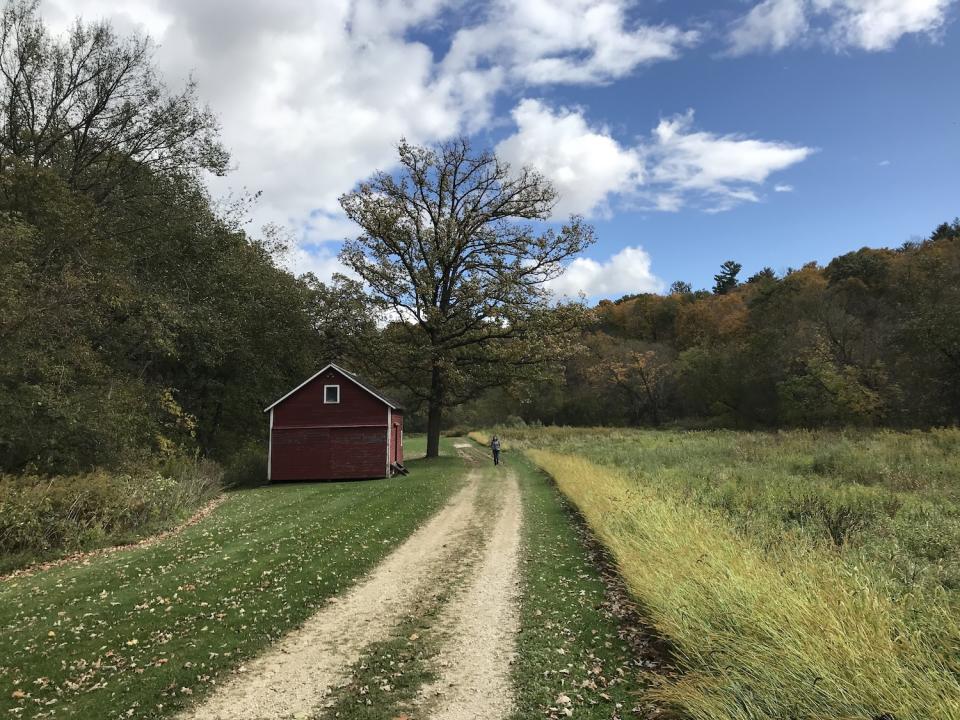
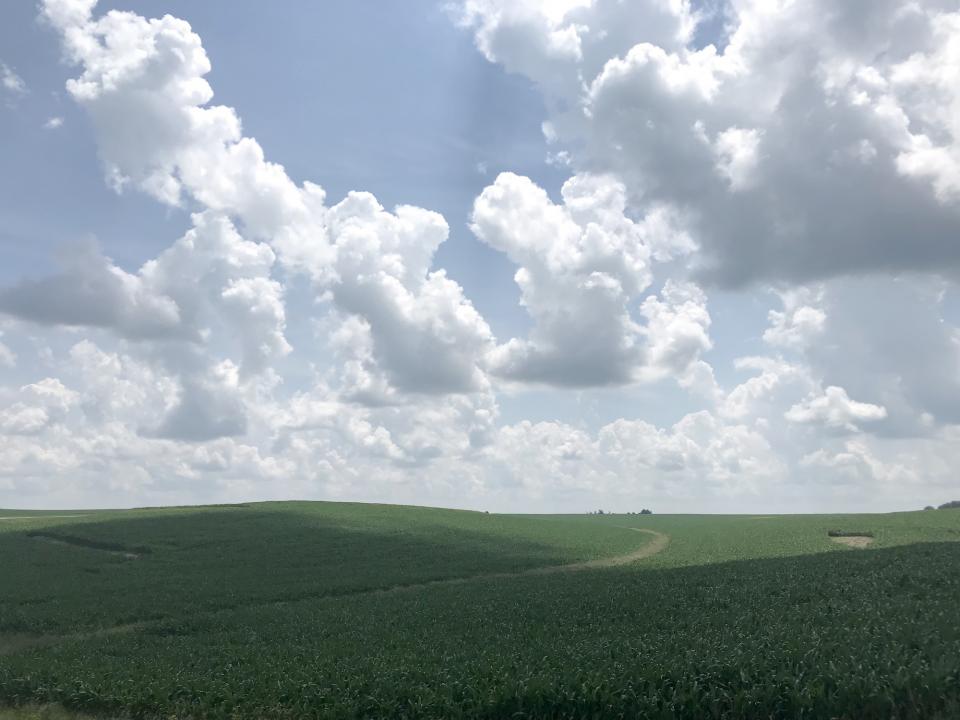
Any geologist can tell you how the Driftless was formed. It’s where flat prairie top breaks down into rolling hills, curves, and mounds that disrupt perspective across 24,000 square miles of southwestern Wisconsin, southeastern Minnesota, northeastern Iowa, and the extreme northwestern corner of Illinois. Glaciers did not rub this area smooth. So, hills and bluffs (hence its other moniker, Bluff Country) are tucked within ancient springs, rivers, and positive vibes.
Explorers such as Dubuque, de Soto, and La Salle wrote the King of 17th-century France about the area’s furs and minerals. American regional artists such as “American Gothic” painter Grant Wood used the Driftless as a backdrop for singular landscapes. Today, rolling highways unspool roadside surprises for drifters. Off-roads dead-end into grassy meadows. Clear springs mean trout, while twisting rivers beget swimming holes. Find a canoe. Be watchful for Amish and horse-driven anything. Buttes, coulees, ridges, and rockways make scant cornfields, but allow flavorful pastures for cows, goats, and award-winning cheese bought directly from dairies. There will be cafés, and those cafés will feature pie.
Situate yourself in a river town like Galena, Ill. (former home of President Ulysses S. Grant). Here, Airbnbs are plentiful and Frank Lloyd Wright’s home Taliesin is a satisfying Wisconsin side trip. Blue Mounds, also in Wisconsin, has a state park with spectacular summer and autumn vistas, including Gays Mills, legendary for autumn apple orchards. Everywhere else, enjoy classic “pull-overs”: antique malls, bookstores, guitar shops, crafts, local beers, wines, foodstuffs. At the end of the day, the Driftless is the center of attraction.
19. Murray Hill, Manhattan
So close and yet a world away
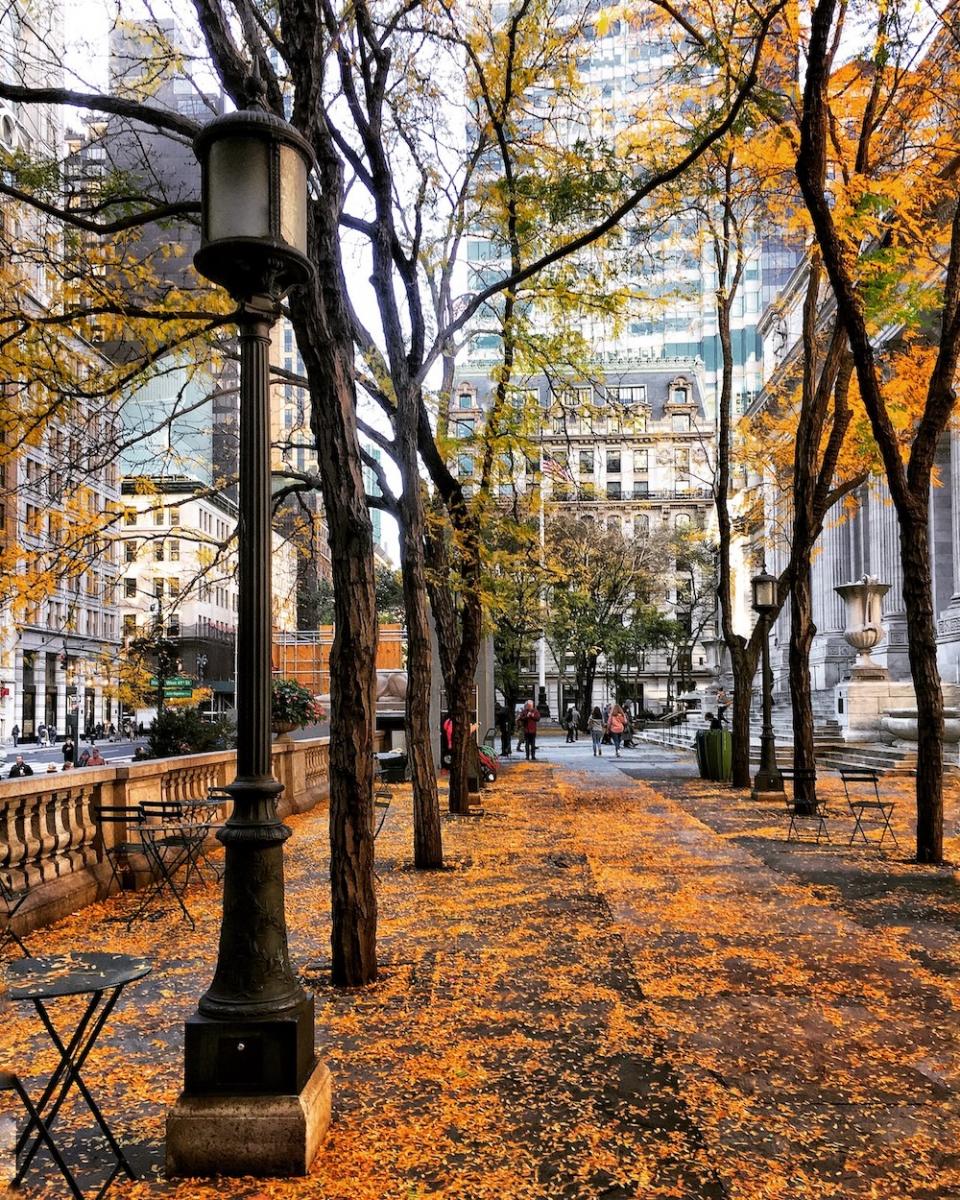
Charming is never the adjective that springs to mind when people think of New York City. Yet, once I stopped rushing to simply get from point A to point B, and took to walking leisurely through the streets, I discovered something beyond the soaring skyscrapers: that the city has another side, one that’s picturesque, a bit quieter, and, yes, seriously charming. This is the New York I have always been drawn to, and the inspiration for my book.
Murray Hill, an often overlooked Midtown jewel, was once considered one of the city’s poshest addresses. In the 19th century, residents included the Vanderbilts, Astors, and Rockefellers. The outstanding Morgan Library & Museum on 37th Street and Madison Avenue is perhaps the neighborhood’s most famous landmark, but if you walk just a few blocks east, you’ll discover Gilded Age townhouses designed by architects McKim, Mead & White, delightful row houses, and Sniffen Court, a hidden, pretty-as-a-picture mews on 36th Street. Only a few blocks north and west, are two of my favorite spots in Manhattan: Bryant Park and the New York Public Library.
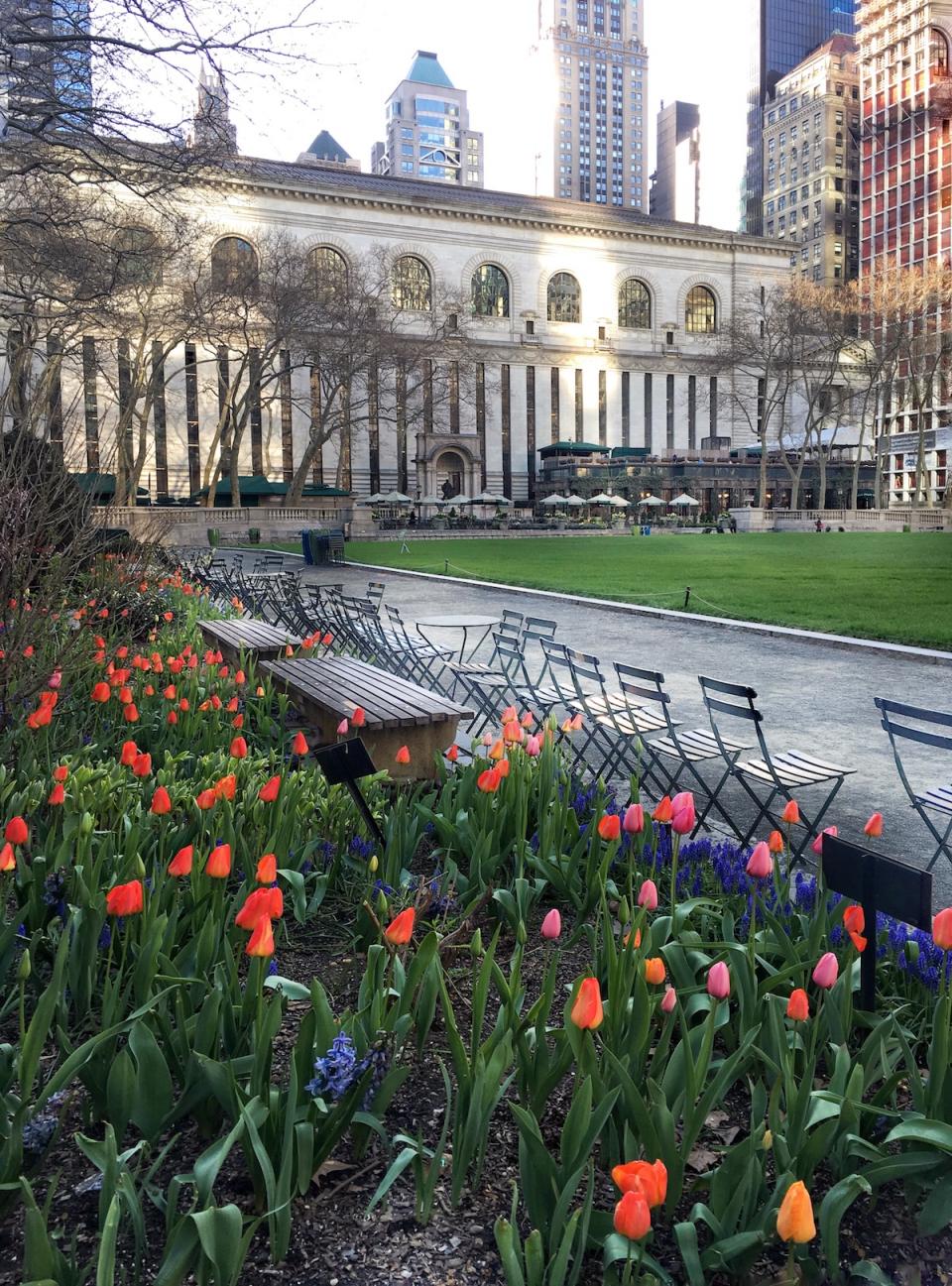
Following a thorough renovation, Bryant Park reopened in 1994 to critical acclaim. I find myself visiting the park often. With its sweeping green lawn, bistro tables and chairs, and decidedly Parisian vibe — like a mini Luxembourg Gardens in the middle of Manhattan — it’s the perfect place to relax after a stroll through Murray Hill or elsewhere in the city.
— Susan Kaufman is the author of “Walk With Me: New York” and “Walk With Me: Hamptons”
20. Cartagena, Colombia
Charming, colorful, colonial, and a culinary treat

What’s the antidote to the endless East Coast winter? Four nights in Cartagena, Colombia. Alert the senses because here, in one of the oldest colonial cities in South America, it’s all color and contrast. The city is walled, the history immense, the streets are cobblestoned, and the homes are rainbow-hued with balconies dripping with bougainvillea.
A five-hour, nonstop flight from New York deposited my husband and me into this sultry port city’s old-world charm, captured in the 1985 novel “Love in the Time of Cholera,” by the town’s resident author Gabriel Garcia Marquez.

We were thrilled to discover an affordable destination for sophisticated dining and local culinary fare. One favorite was Celele — ranked 16th of the 50 best Latin American restaurants, where everything —from the Caribbean flower salad to rice cakes with sea urchin — was fantastic. Over lunch at the famous La Cevicheria, we smacked our lips on the shrimp with coconut lime juice and local fish with avocado. The street food offerings were equally impressive: arepas (corn patties), carimanolas (stuffed yuca fritters), and paletas (fresh fruit ice pops). For tropical produce, las palenqueras, local Afro-Latinas in colorful frilled dresses, are everywhere balancing large baskets of fruit on their heads. If cocktails are your thing, try Alquimico, a three-story establishment named as one of the 10 best bars in the world.
Mapps Travel designed our itinerary, including walking tours and our stay at Casa Pestagua, a lovely hotel within the walled El Centro area. For longer trips, add a visit to nearby Rosario Islands, a national park of mangroves and coral reefs, food tours, and Caribbean white-sand beaches.
— Susan Kirshenbaum, co-founder, the Ryan Perry Foundation
21. Dulan and Donghe, Taiwan
Far from the bustling capital: surf, art, pork buns, and bikes
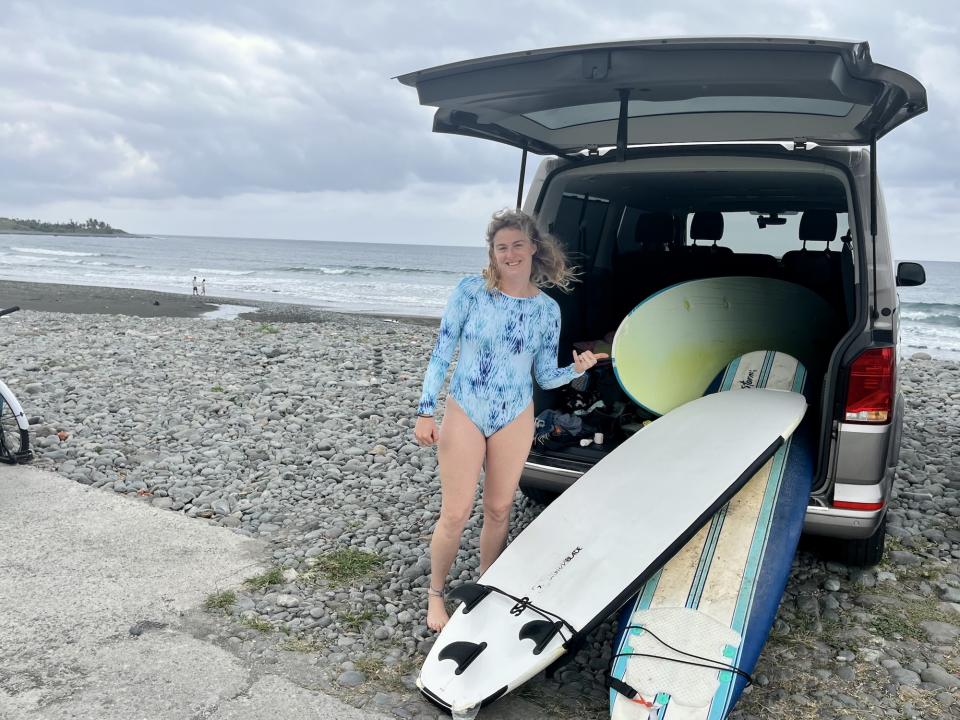
This cluster of small fishing towns on Taiwan’s southeast coast is a nature lover’s — and surfer’s — vacation paradise. From secluded point breaks and open beaches to mountainous jungles and winding bike paths, there’s something for every adventurer. At night, if you listen closely you may even hear the local deer barking in the mountains.
With its bustling arts scene, Dulan is not your average surf town. In a former sugar refinery, the Sintung Sugar Factory Culture Park is a thriving hub of music, Indigenous art, and fun cafes. However, if you’re here to surf, board rentals and lessons are easy to arrange en route to the breaks, which are rarely crowded. Taiwan’s biking culture is ever present with bike shops, rest stops, and clearly marked paths, should you prefer traveling on two wheels.
With a vibrant local fishing industry, it’s all about sampling seafood here. Meet Marlin in nearby Chenggong, is an unmissable treat for a multicourse meal. The restaurant sources its fish sustainably and will share stories and information around the local fishing culture. Another must-try is Donghe Baozi for straight-out-of-the-oven, squishy bao buns, filled with a staggering array of sweet or savory flavors. This place is so popular that folks will travel down from Taipei just to grab a steaming hot bun on the weekend.
Getting to this region does require planning. A high-speed train from Taipei is one option, a flight down to Taitung, then a 30-minute drive up the coast, is another. Or, drive down from Taipei for six hours and simply relish the gorgeous vistas of Taiwan’s so-called wild coast.
— Alexandra Talty is a Southampton-raised ocean journalist, part of the Pulitzer Center Ocean Reporting Network
22. San Juan, Puerto Rico
Hit the reset button, four hours from New York
If you don’t make time for your wellness, it will eventually become your illness. That’s a line from my book, “Practical Optimism,” and a truism I learned the hard way.
Puerto Rico’s pull used to be its people and pina coladas. Now, it’s all about the pause — a time to practice what I preach: slowing down without disappearing. San Juan is perfect because of its proximity; a quick four-hour flight from New York, followed by a 10-minute drive to Isla Verde’s beachfront Fairmont El San Juan Hotel, with multiple pools, a beach club, lively bars, music and dancing, a sushi lounge, and a famously large casino. It’s easy to stay put at the Fairmont and let the days unfold without plans.
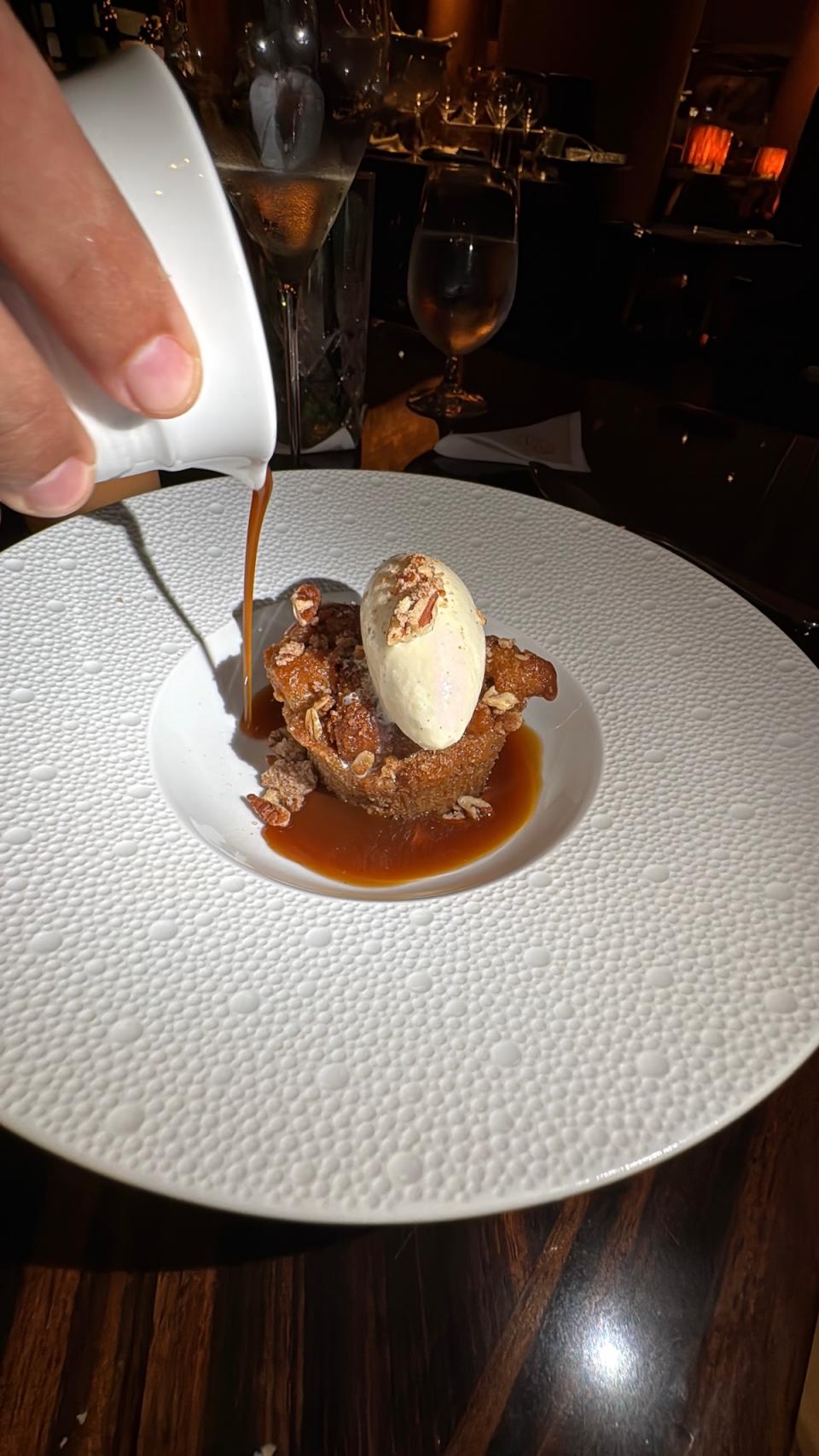
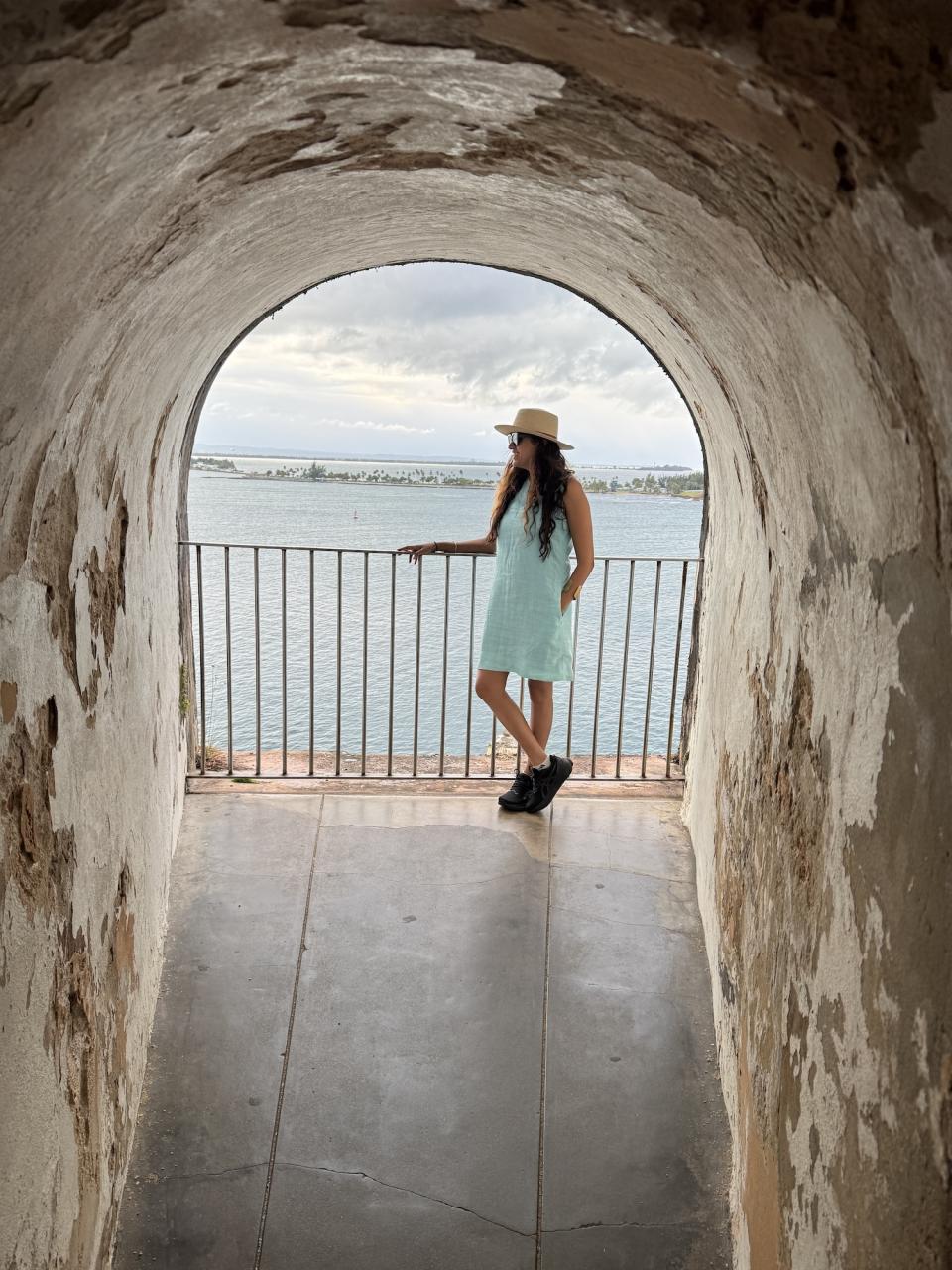
If you do leave, as my husband and I did a few times, you won’t be disappointed. The tasting menus at 1919 and Marmalade were memorable, but the restaurant Santaella in the Santurce barrio, was exceptional — hip yet upscale, filled with beautifully-dressed locals meeting for after-work dinner and drinks. For a bit of history, we visited Castillo San Felipe del Morro, a 16th-century fortress set high above the Atlantic, with sweeping vistas. Afterward, a stroll around Old San Juan, through cobblestone streets flanked by buildings in bold colors that remind me of cities I’ve loved in the Caribbean and South America. We also took a day-long snorkeling trip to Icacos Cay, a tiny, Caribbean-facing island with next-level calm turquoise-clear waters.
One evening ended with salsa dancing at the legendary hangout La Factoría, where I kept my husband up far later than he prefers. Another night, we were at the hotel, when we heard music drifting through the lobby and watched couples dance late into the evening.
San Juan was the perfect pause, not a stop, and a reminder that intentional rest is how we stay well enough to show up for everyone else.
— Dr. Sue Varma is a board-certified psychiatrist and author of “Practical Optimism: The Art, Science, and Practice of Exceptional Well-Being”
23. Hydra, Greece
No cars, only vivid colors and boho stories
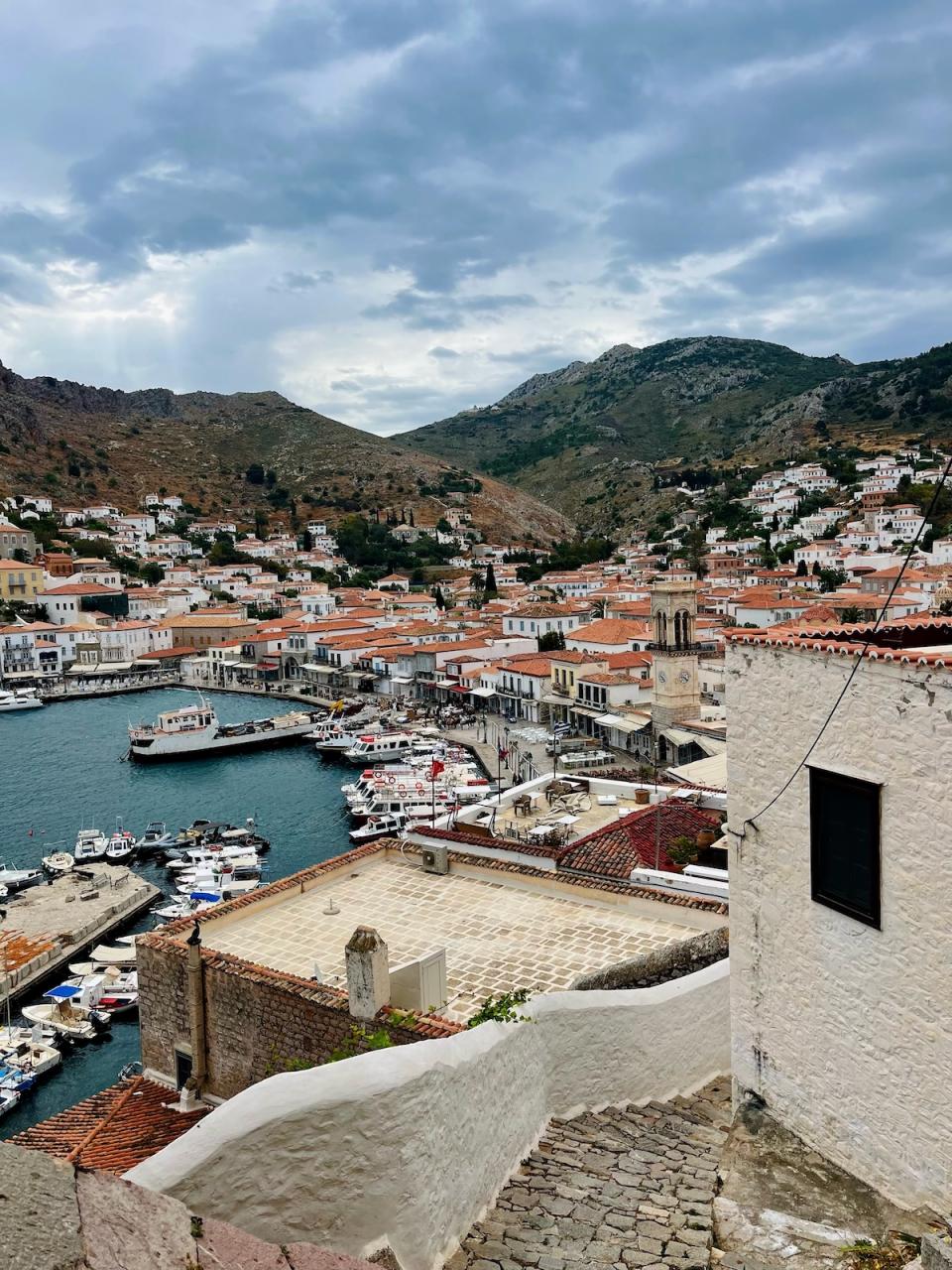
Arrive at Hydra and you’re immediately welcomed into the arms of a magical amphitheater-type surround of dwellings that rise up from the sea into the hills beyond. Its proximity to Athens makes the island a doable day trip but, to stay, especially living like a local in a home, is another thing entirely.
I had been aware of Hydra’s bohemian culture of the ‘50s and ‘60s, and about Leonard Cohen and Marianne Ihlen’s love story here. Today, a similar carefree vibe continues as artists and writers find inspiration and call Hydra home. A visit to places like the Old Carpet Factory and the Hydra Book Club are meccas for creatives. Several historical museums and monasteries further contribute to the island’s rich culture.
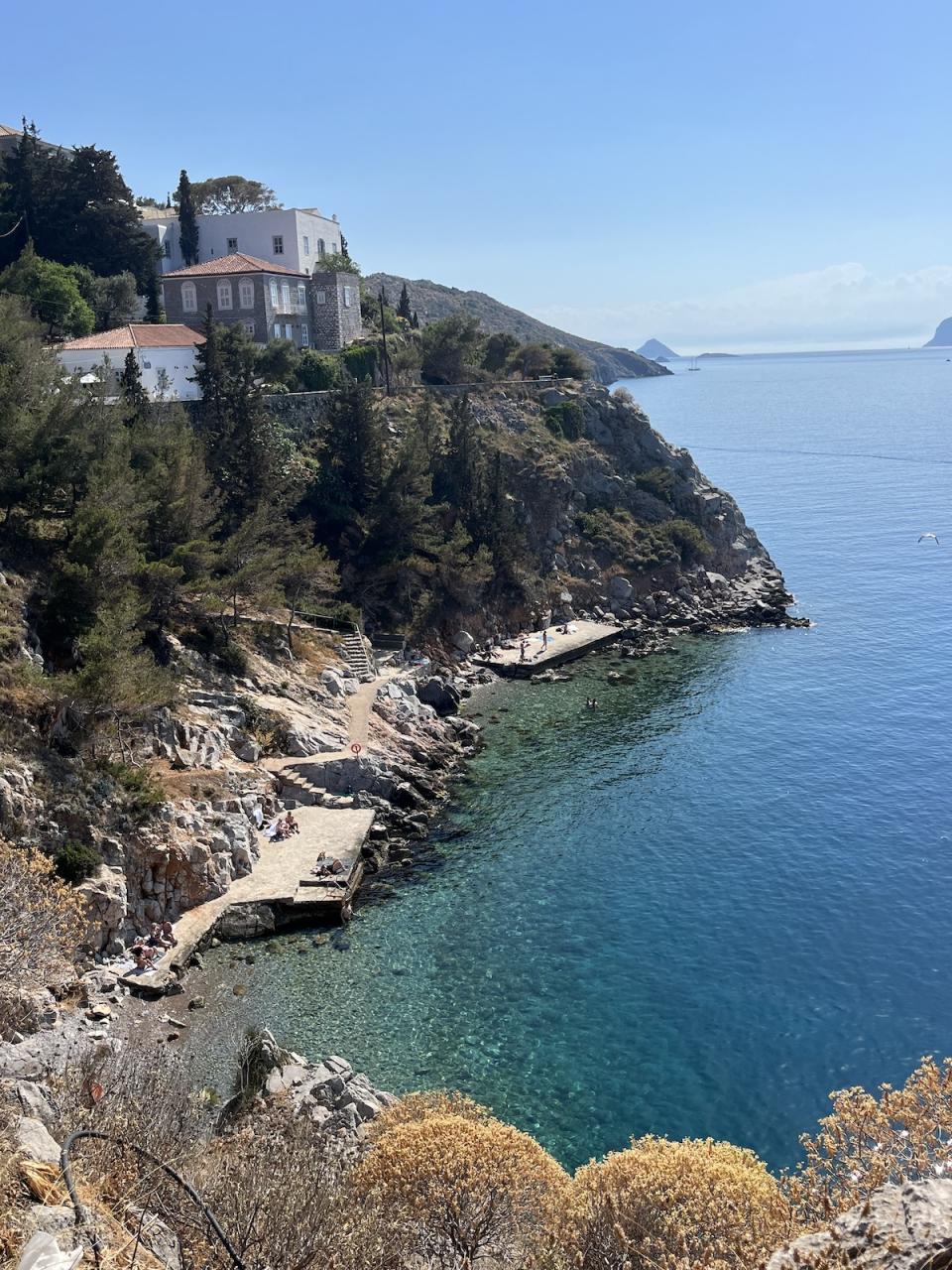
Intellectual sophistication abounds, as does a quiet charm. The noise never gets too loud, as cars are banned. I’ll often walk along the high mountain road to Plakes Beach for a swim, or to my favorite Avlaki, where the turquoise waters are breathtaking. I love sunset swims and cocktails at the Hydronetta bar, or beach hopping by e-bike on the nearby island of Spetses.
Inevitably, you end up at the Hydra port, ideally at Isalos for a coffee or at the Pirate Bar for an aperitivo. Watching the comings and goings here is somewhat of a legendary pastime, as donkeys saunter by carrying vacationers’ luggage, and the church bells remind you of the time passing.
I’ve met wonderful people from all around the world on Hydra, many of whom I now call friends. The island’s flag hangs outside my bedroom window to remind me it’s never too far away.
24. Green Corridor, Chile
The electric road trip of a lifetime
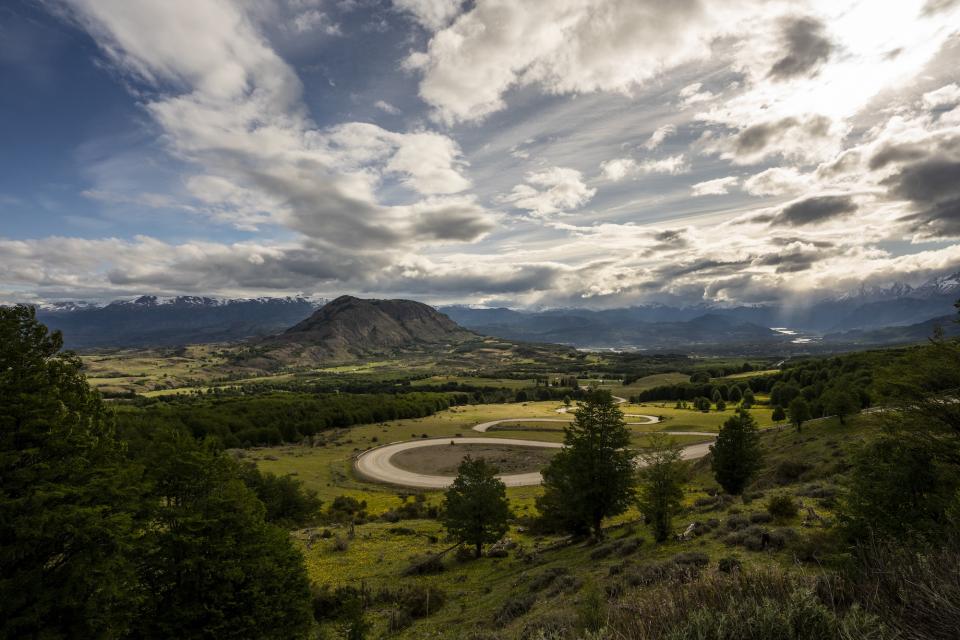
Imagine driving for 750 miles through pristine landscapes, fragile ecosystems, 17 national parks, and diverse local cultures. You can do just that on Chile’s famous Southern Highway, also known as Carretera Austral, or the Route of Parks. It’s a wild and scenic roadway that stretches from Puerto Montt in the north to Villa O’Higgins in Patagonia, the country’s southernmost tip.
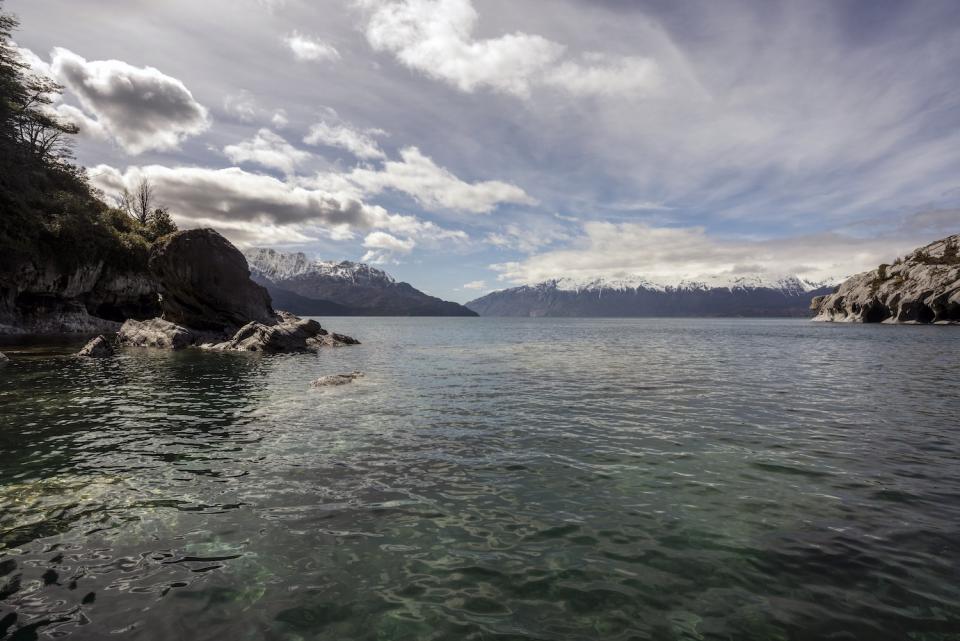
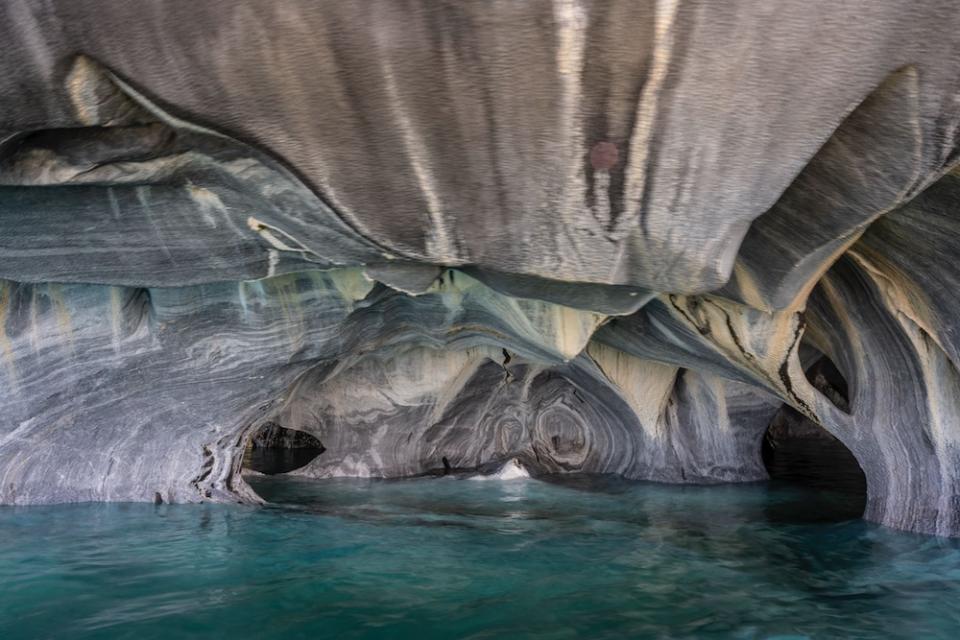
Now imagine an eco-friendly way to traverse this iconic and picturesque route. Welcome to the Green Corridor, an extensive electric vehicle-charging infrastructure that allows visitors to drive the distance in an electric car. Allocate at least two weeks for the trip that begins in Coyhaique, a 2.5-hour flight from Santiago. With ever-changing road conditions and, at times, challenging terrain — not to mention constant photography stops — it’s best to plan on driving no more than 75 miles, or two hours, a day, with stays in about 10 charming hotels and B & Bs. Explore on foot, by boat, or from your car, rugged landscapes, lush forests, and turquoise waters, plus a chance to see the famed San Rafael Glacier up close. Farther south, you’ll overnight in the remote and tranquil Caleta Tortel, a village famous for its wooden walkways and bridges that connect homes and businesses across the landscape. The trip culminates in Puerto Río Tranquilo and a visit to the Marble Caves, or Cuevas de Mármol, a network of sculpted marble caverns, arches, and tunnels — a mesmerizing spectacle of color and light.
Whether in an E.V. or a traditional vehicle, an adventure of a lifetime is guaranteed.
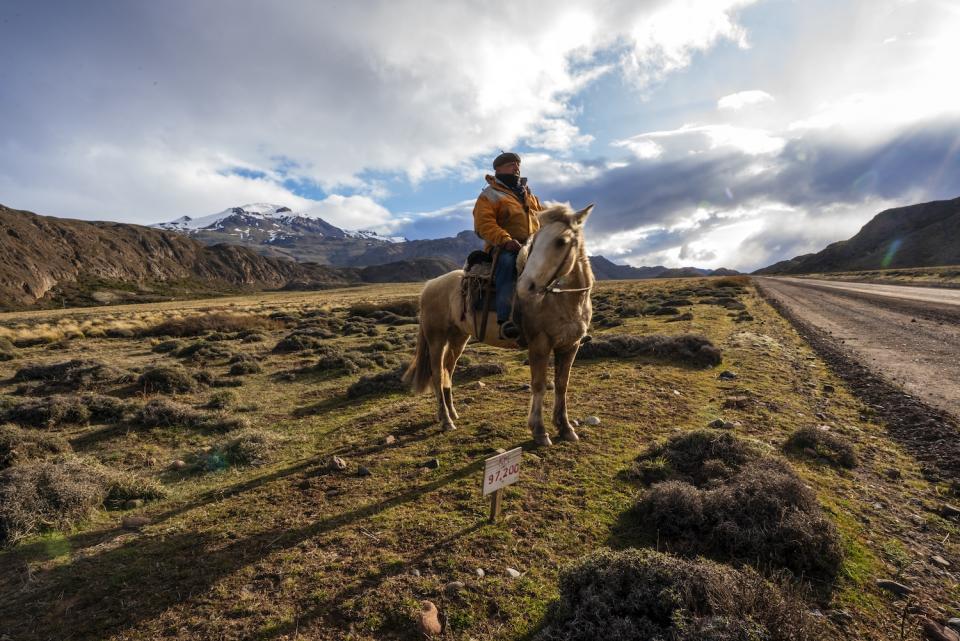
— Marcelo Jünemann is the founder of Big Magazine/Big Road
25. Kyoto, Japan
Japan's former imperial capital draws crowds — for good reason
By Judy D’Mello
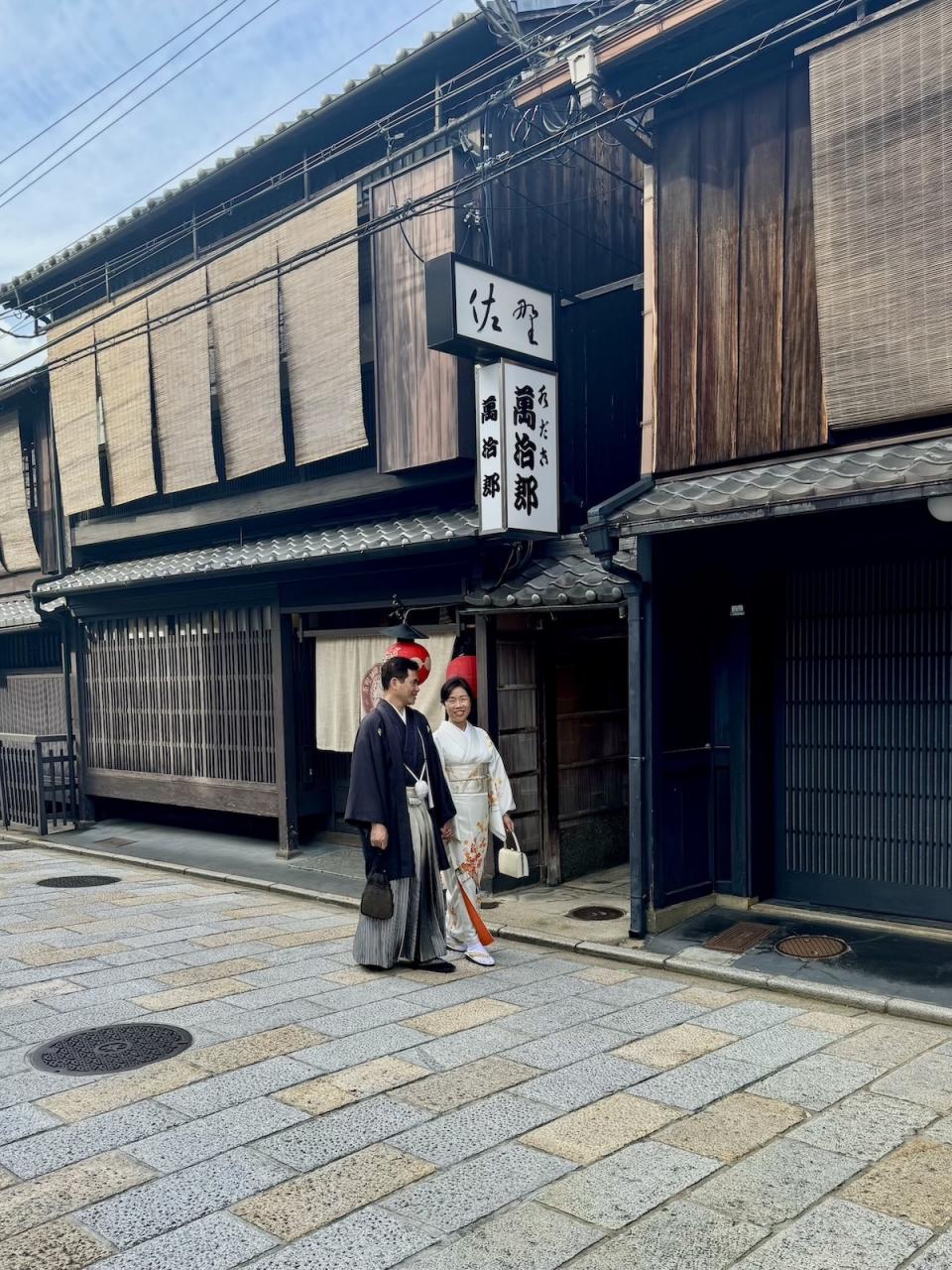
Apparently, there are barely 200 working geishas in Kyoto today, making a sighting feel like a glimpse of a rare bird. So, imagine my surprise when walking through Gion, the historical entertainment district, I saw one clip-clopping on wooden heels. And then, another! And, another! But, wait, why does she look like an offensive lineman in drag? Westerners embracing geisha cosplay have turned Gion into an Asian Disneyland. Real geishas are most likely spotted in the early evening along the picturesque Shirakawa Canal, featured in the movie “Memoirs of a Geisha.” And what a magical sight. Distinct snow white makeup and vibrant kimonos, taking hurried, tiny steps en route to evening appointments, funded by very, very rich men.
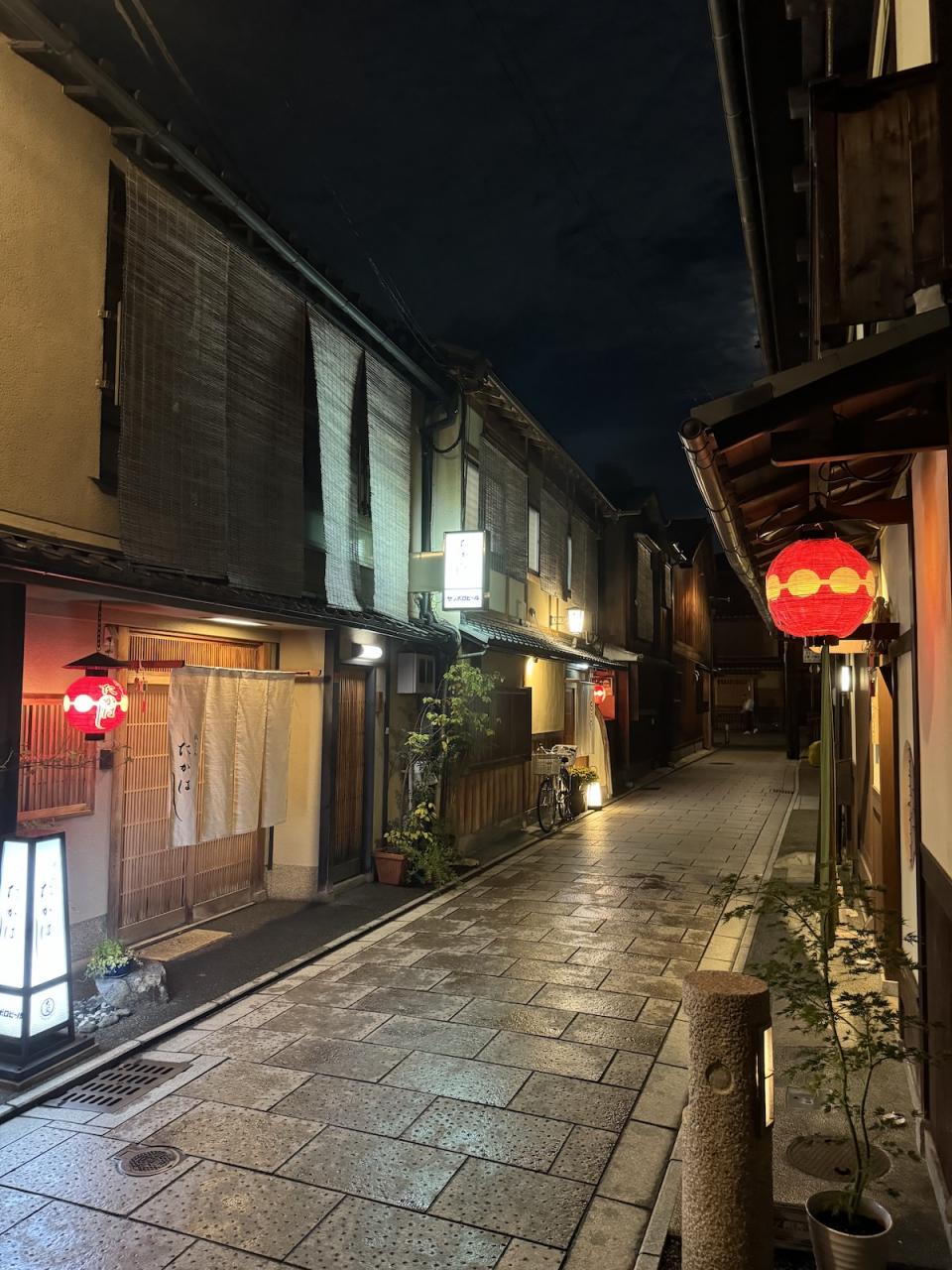
Kyoto, a two-hour, bullet train ride from Tokyo, is a deeply aesthetic city — as long as you veer from the crowded main sections. Near the Nanzen-ji temple and along the contemplative Philosopher’s Path, I walked peacefully by ancient wooden teahouses on narrow flagged-stoned streets that led to incense-shrouded temples and ornamental gardens. Staying at the Banyan Tree hotel, in the wooded hills of Higashiyama, also offered a sanctuary-like experience.
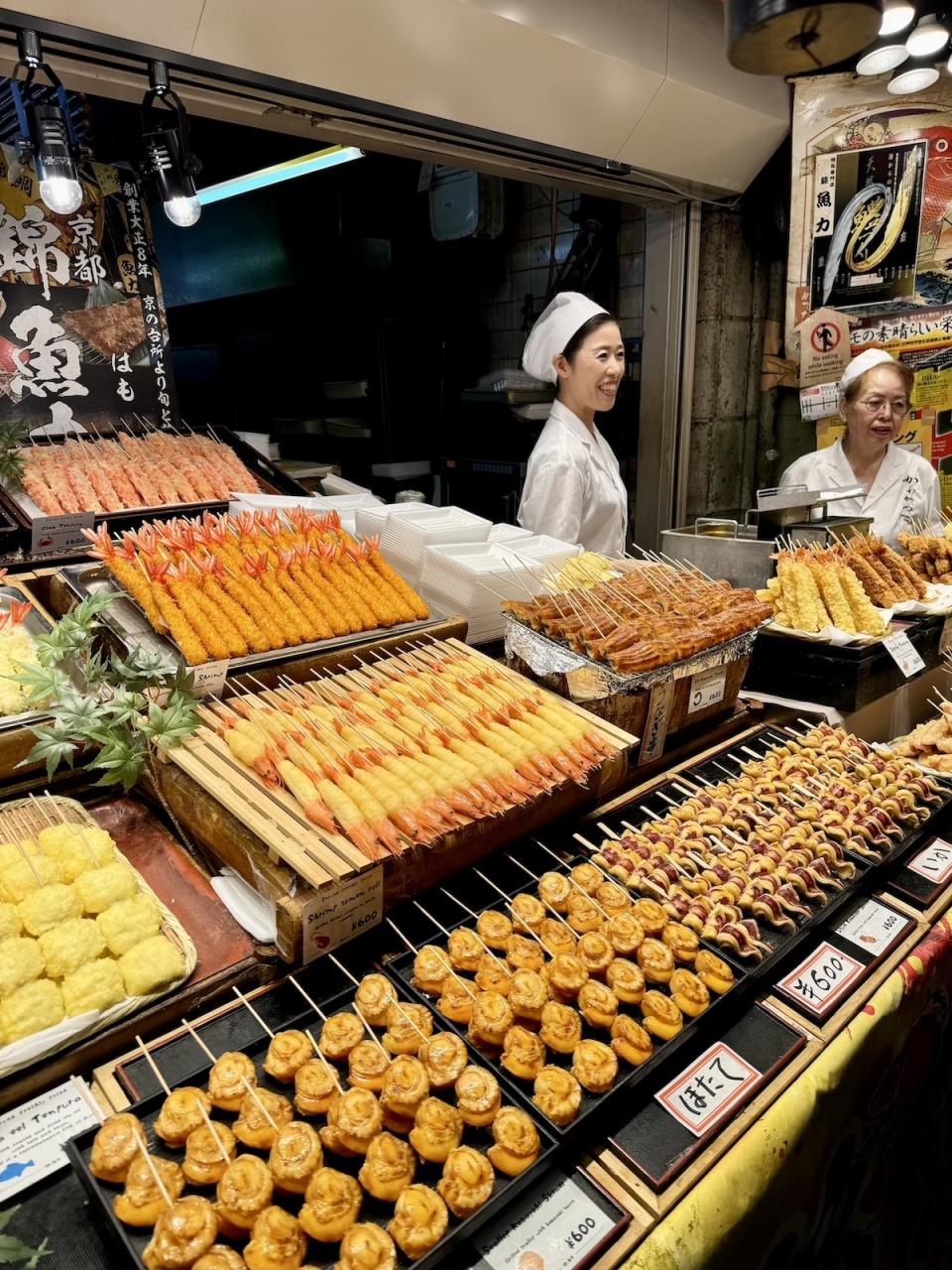
Conde Nast Traveller readers recently voted Kyoto the number-one place to eat in the world. Kaiseki — a refined, multi-course meal — originated here and the three Michelin-starred Kikunoi offers quite the experience for upward of $200 per person. Tofu is another Kyoto specialty, especially yudofu — basically tofu cooked in hot water, which somehow tastes delicious at Okabeya, located in a traditional townhouse with an in-house tofu factory. But the city’s best kitchen is the Nishiki street market, packed with over 100 stalls and restaurants selling fresh seafood, sushi, produce, pickles, knives, and cookware.
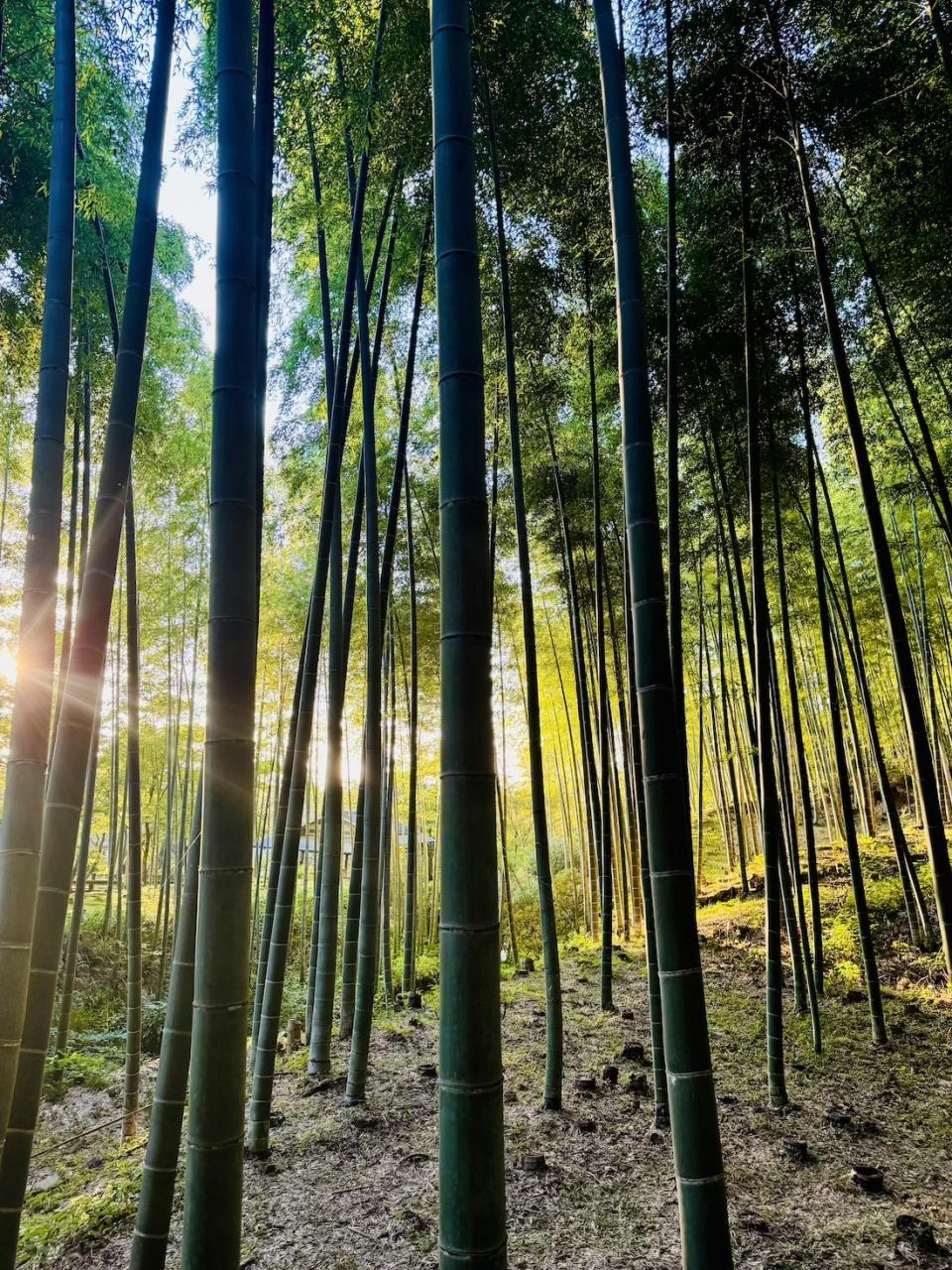
My undisputed Zen moment came one sunrise at the Arashiyama Bamboo Forest, a 20-minute taxi ride from town. Almost alone, I watched golden light stream through endless green columns that swayed rhythmically, 30 feet high.
26. Black Rapids, Alaska
Definitely not the lower 48
Judy D'Mello photos
By Judy D’Mello
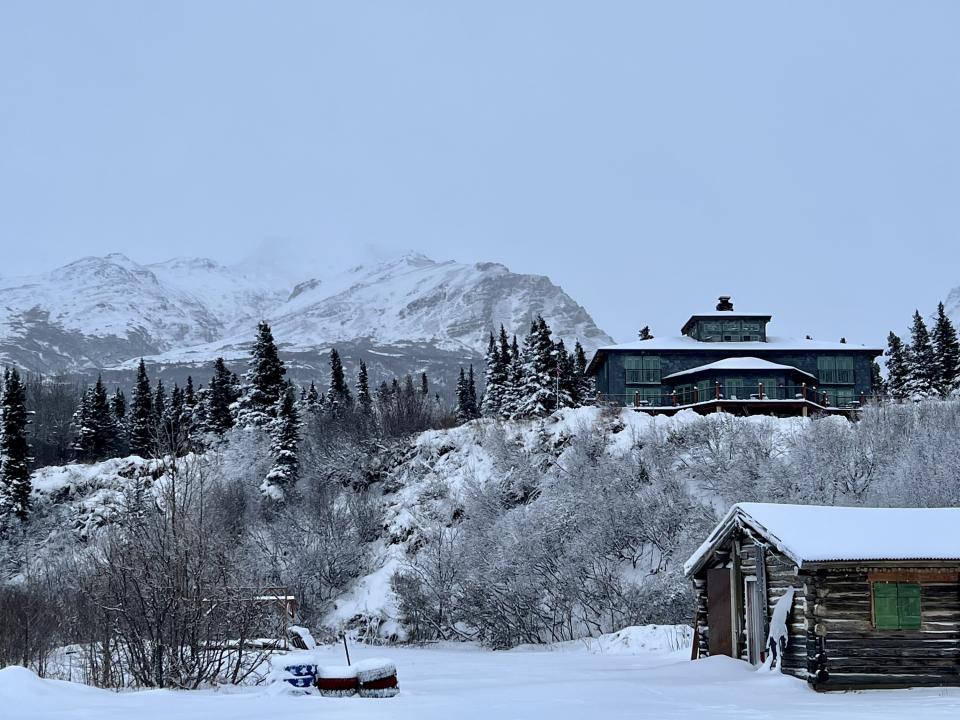
From the dining room of the Lodge at Black Rapids, Annie Hopper, the proprietress, and I are gazing at the Alaska Range, glaciated mountains so monumental that, frankly, they make the Alps looks like cute hillocks. There’s nothing Sound of Music about them.
“I used to strap my kid on my back and snowshoe down that mountain,” she says, pointing to the vicious-looking Black Rapids Glacier. What? How? This is untrammeled terrain, vast, unfathomable, and unfriendly. I’d be terrified even if I were a bear.
She had arranged a guide — Grant, 25, who met me in Fairbanks for the 2.5-hour-drive along the desolate Richardson Highway to the nine-room hotel, the only place to stay in this landscape devoid of company. Grant tells me he scales frozen waterfalls in his spare time. With his girlfriend. That’s date night in Alaska.

Unsurprisingly, I feel safe when we set out for a two-hour, snowshoeing expedition across unmaintained, deep snow to the nearby Castner Glacier ice caves. Stevie, his husky mix, bounds ahead. It’s November and so cold that my phone no longer registers anything. But the trek requires effort, so by the time we reach the caves, a few layers have been shed. Anyway, staring at the yawning mouth of honeycombed ice with chasms and crevasses carved by a summer torrent that flows from the glacier makes you forget everything. And after a sauna back at the lodge and a delicious dinner cooked by Grant, I find myself standing in the driveway, looking at the blackened heavens, doing 360s, trying to comprehend the supernatural neon light show above. Mother Nature seems to be drawing her living room curtains of greens, blues, and reds.
They say when staring at something wondrous, the mind momentarily shuts down, unable to process the sight. In that instance, we experience the world as it really is, unfiltered, without the usual veil of our egos. Wonder humbles all. Alaska is humbling.
