Local environmental and civic organizations have joined together to sign a letter signaling their opposition to proposed changes to the New York State Environmental Quality Review Act that would make certain projects exempt from review.
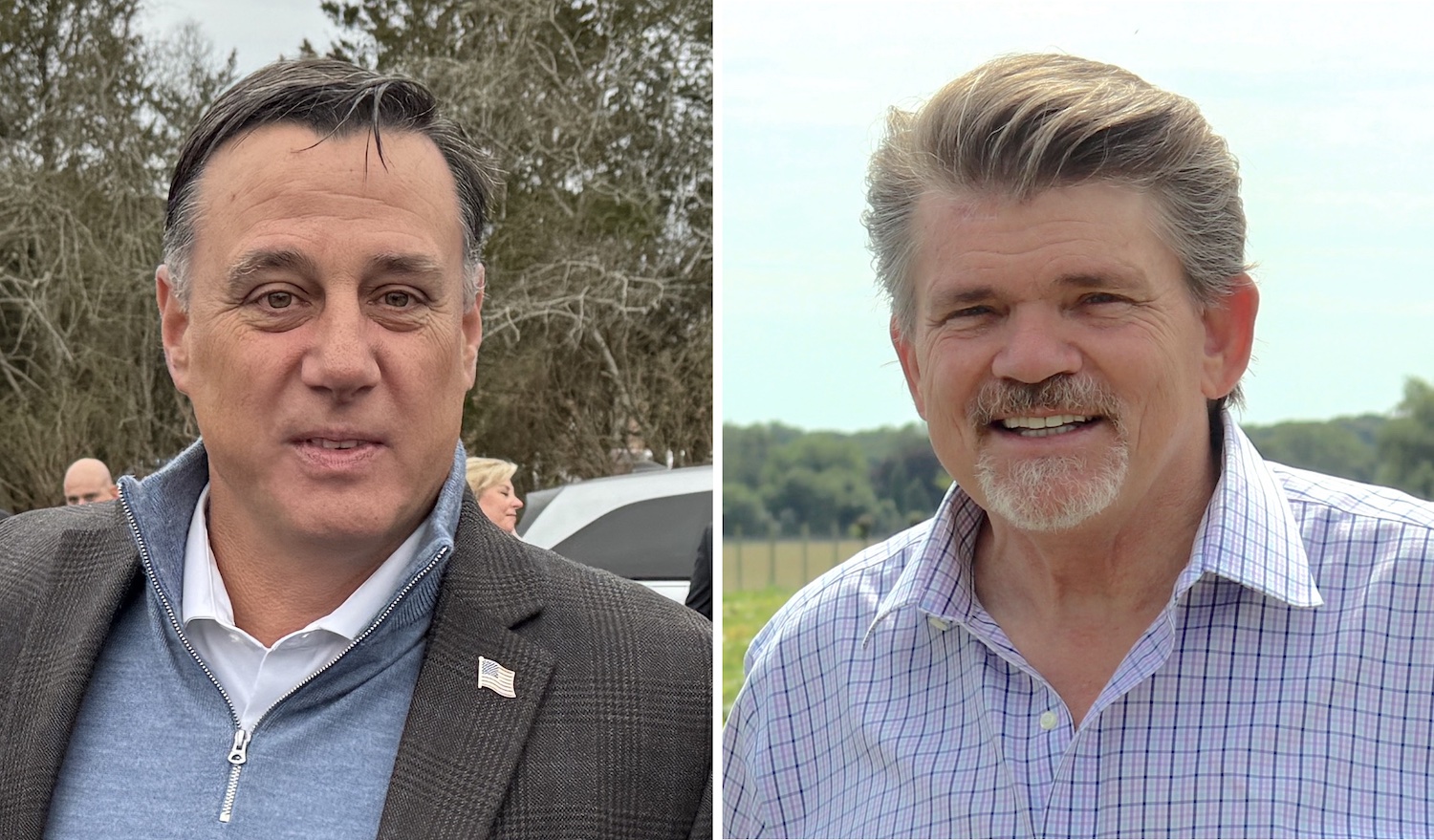
Both of the South Fork’s state representatives, Assemblyman Tommy John Schiavoni and Senator Anthony Palumbo also oppose the move.
The proposal, first announced by Gov. Kathy Hochul in her 2026 State of the State address and now added to the New York State 2026 Budget bill, is part of her “Let Them Build” agenda, aimed at making it easier for developers to build housing.
A press release put out by the governor’s office said the SEQRA process can slow projects for an average of two years, adding costs and “needless delays.”
“SEQRA works,” said Senator Palumbo. “Environmental impacts need to be identified and mitigated. The biggest issue the governor is looking to address are the timelines. There is a happy medium. Delaying projects isn’t good, but eliminating the SEQRA requirement is a bad idea.”
Key aspects of the amendments to the state law are still being negotiated in the State Legislature. At present, to be reclassified under the law, housing projects must be on previously disturbed land and connected to water and sewer systems.
While the changes could benefit housing developers, they could also apply to water infrastructure projects, bike and pedestrian trails, child care centers, and green infrastructure for stormwater management.
“This initiative will spur a series of common-sense reforms to New York’s State Environmental Quality Review Act (SEQRA) and executive actions to expedite critical categories of projects that have been consistently found to not have adverse environmental impacts,” read a press release put out by the governor’s office. “Today, it is too difficult to build major projects in New York: an analysis by Empire State Development found that manufacturing, housing and energy projects can take as much as 56 percent longer in New York State to get from concept to groundbreaking compared to peer states.”
“SEQRA is a series of laws that were put together after painstaking hearings and public input and debate,” Assemblyman Schiavoni said in a phone call. “To have something done like this in a budget bill is, in my opinion, the wrong venue. I also reject the premise that it’s ‘red tape’ that’s preventing affordable housing projects from being built.”
He said local boards often evaluate projects and don’t require them to go through a lengthy environmental review. Only projects with the potential to have an adverse environmental impact are flagged for the longer and more costly review.
An oddity of New York State law is that the governor is able to couple policy with the budget by adding policy initiatives known as Article 7s. In this year’s budget, there are 250 of them. This means the State Assembly and Senate not only have to agree to the governor’s funding requests, but they also negotiate all the Article 7 requests.
“These changes undermine SEQRA’s core principles, including transparency, disclosure, public engagement, and the consideration of impact-mitigating alternatives for substantial development proposals,” read the letter from the local groups, which include Concerned Citizens of Montauk, Group for the East End, Peconic Baykeeper, Friends of the Long Pond Greenbelt, the Noyac Civic Council, and the Village Preservation Society of East Hampton, among others.
They had four main points of contention.
First, they claim the proposal “fails to distinguish or specify how any of the review exemptions will advance the cause of housing affordability. Rather, this omission leaves the door open for any number of market-rate or luxury development projects to proceed without the benefits of adequate disclosure, public input, or impact mitigation presently afforded through a comprehensive environmental review.”
Second, the letter signers disliked the way the changes would remove power from local boards. “The subject amendments would strip local governments and agencies of this long-held authority for a range of development projects, including those of substantial size, which can have long-lasting community-wide impacts, and do nothing for affordable housing.”
Third, like Assemblyman Schiavoni, they didn’t appreciate that “substantial and permanent changes” to SEQRA were “buried in hundreds of pages of a comprehensive budget bill,” instead of being offered as a revision of the existing law’s rules and regulations so that they would receive more review.
Finally, they found the definition of “previously disturbed site” lacking, and vulnerable to abuse.
“If there is a compelling need to review the implementation of SEQRA, let that need be addressed in a rational, inclusive, and transparent review of the law’s implementing regulations, as has been the case for decades,” they concluded.
The deadline to pass the state budget was yesterday; however, Assemblyman Schiavoni said it’s common for it to be extended as negotiations continue.
“I am not in favor of changes to SEQRA right now,” he said. “Having a good hard look at development applications is a good thing. Communities with good planning and zoning are the desirable communities where people want to live and SEQRA is part and parcel to good planning and zoning.