
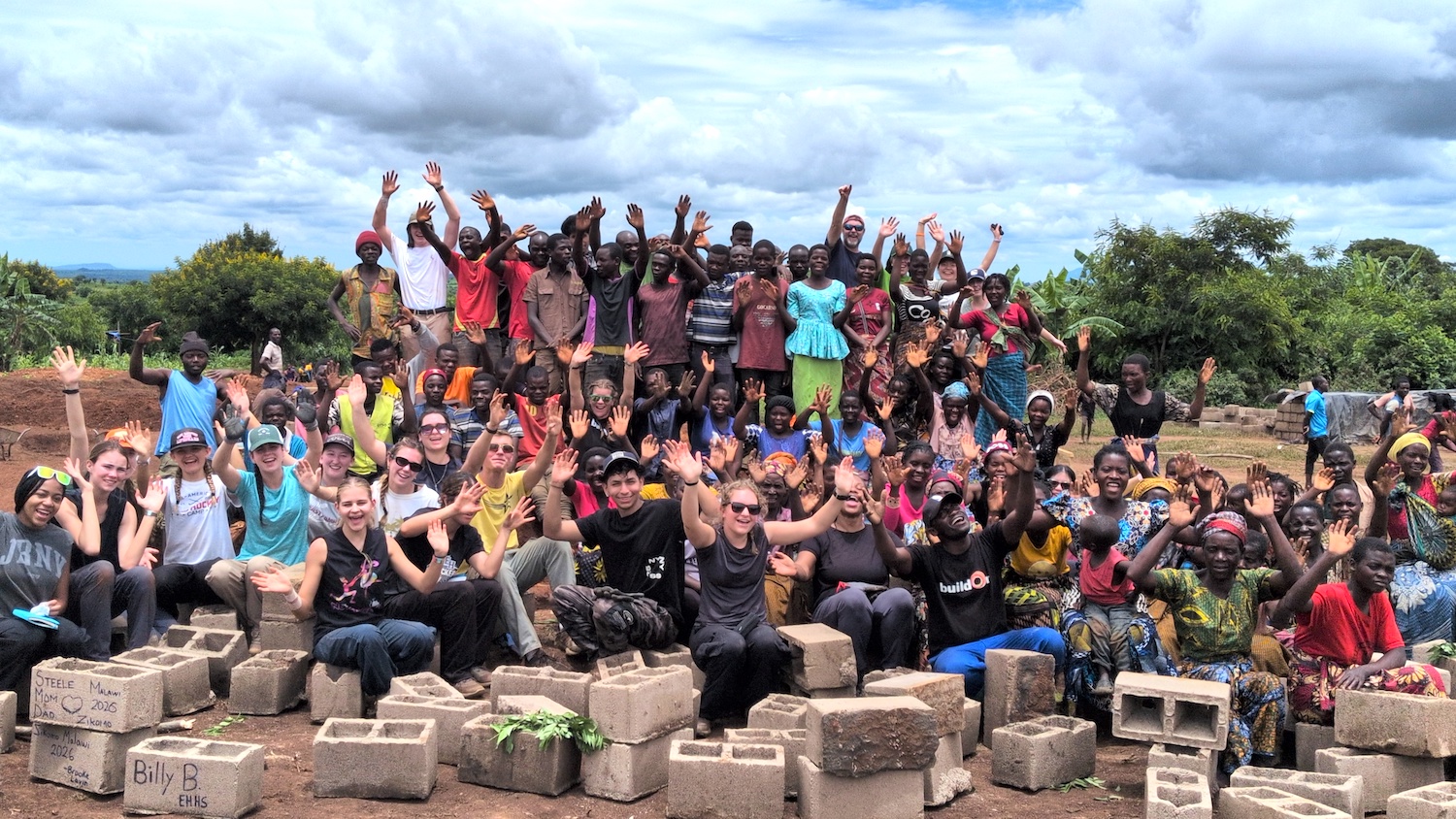
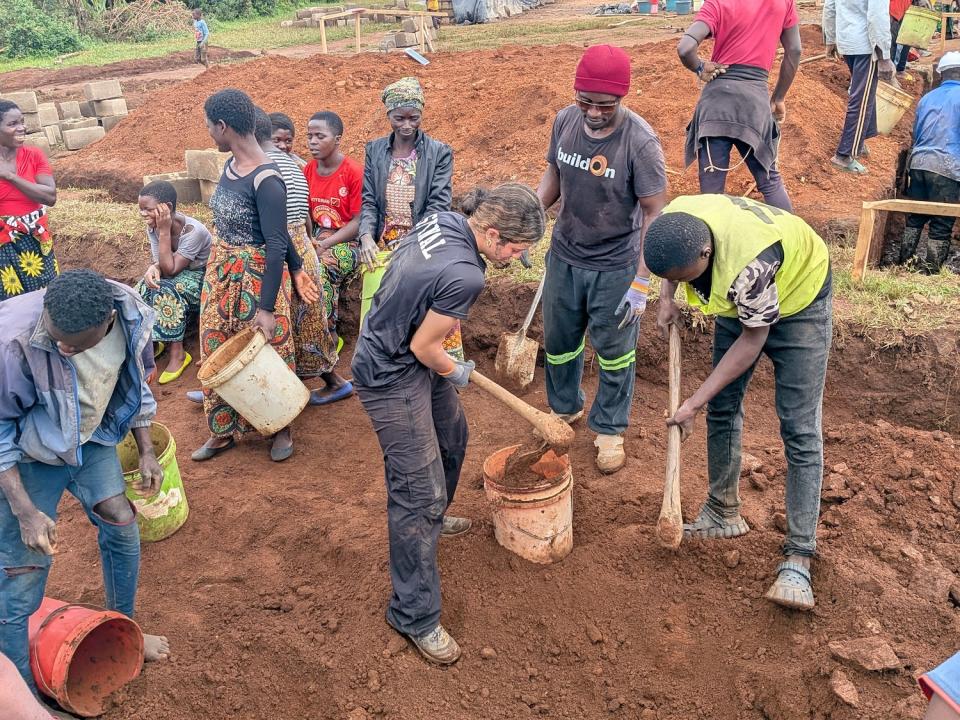
On Feb. 9, a group of 20 East Hampton High School seniors boarded a plane for Africa to begin the adventure of a lifetime. An 18-hour flight would transport them to Malawi, where they spent five days helping to build a school in the village of Chipa.
The students raised “all of the money for the construction costs. It’s between $30,000 and $36,000. . . . We buy all of the construction materials and it’s a partnership with buildOn,” said Bill Barbour, the Bonac buildOn adviser and a social studies teacher at the high school. “The buildOn staff finds places that need schools — really remote places that don’t have a primary school. We also raise money for an adult literacy program, which is usually around $5,000, so in the community the adults can go to school after the kids are done.”
BuildOn is an international nonprofit that constructs schools in Haiti, Malawi, Burkina Faso, Mali, Nepal, Guatemala, Nicaragua, and Senegal. East Hampton partnered with the program a decade ago, taking students to Nepal on their first trek. Mr. Barbour has led nine of the school trips. Robin Jahoda, an English teacher at the high school, has joined him on the last six.
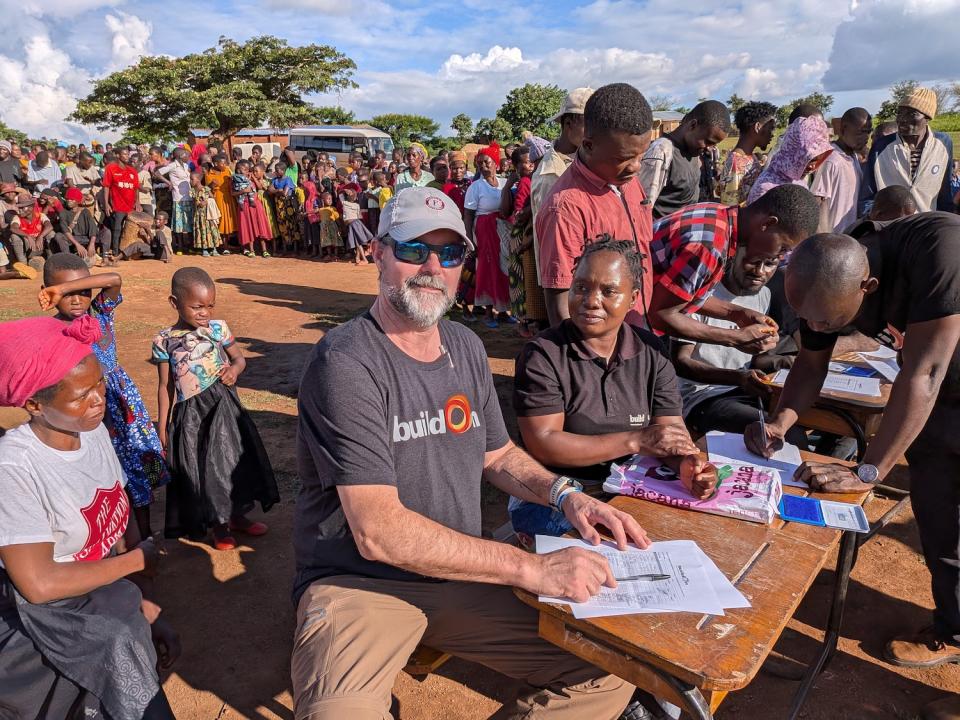
“About 10 years ago at East Hampton High School we decided to start a buildOn chapter, like a club,” Mr. Barbour explained. “We scheduled a trek to Nepal. I figured it was going to be a one-off, but it was so awesome that we decided to go again and again.”
This year they were due to return to Nepal, but shifted gears because of the political unrest there, traveling to Malawi, in East Africa, instead. “We went to Senegal last year. We hadn’t been to Malawi since 2017. I forgot how hard Malawi was. It’s really the most difficult place we go to,” Mr. Barbour said. “The food is more challenging. The bathroom situation is really bad. It’s such a remote village with very little electricity. Homes are concrete and tiny. When they offer you fruit or salad you have to say ‘no.’ You have to keep your mouth shut when you’re bucket showering. You can’t brush your teeth with untreated water.”
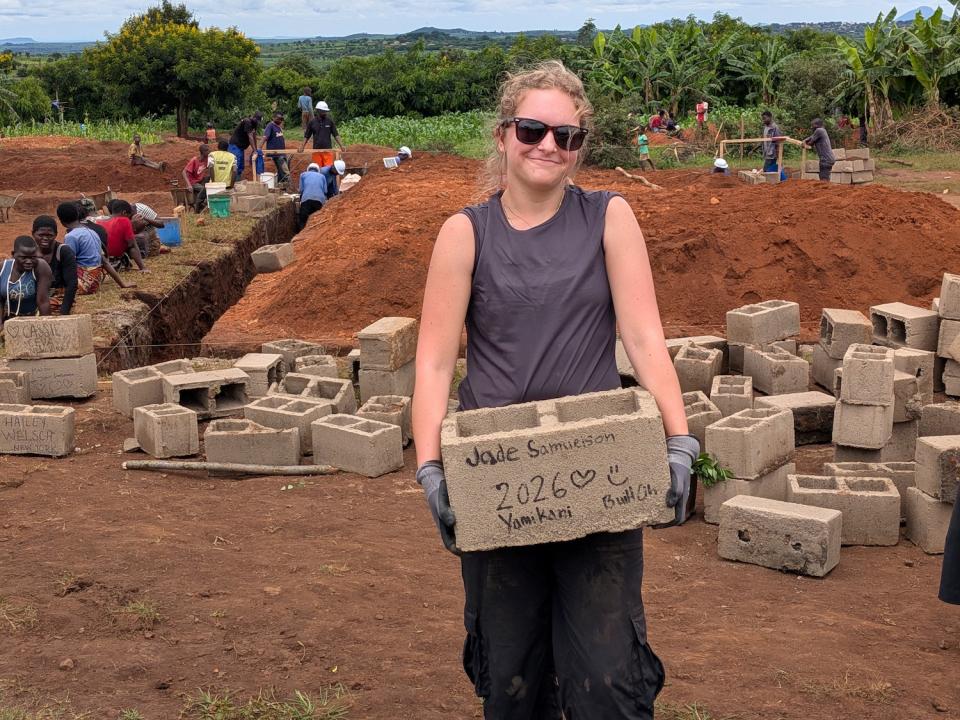
None of the students on the trek seemed to mind one bit. In fact, the challenges made many of them appreciate even more the things we take for granted in America. “It made me realize how thankful I am for just being able to go wash my hands, to just go and take a shower with warm water — all of the things you can’t do there,” said Jade Samuelson.
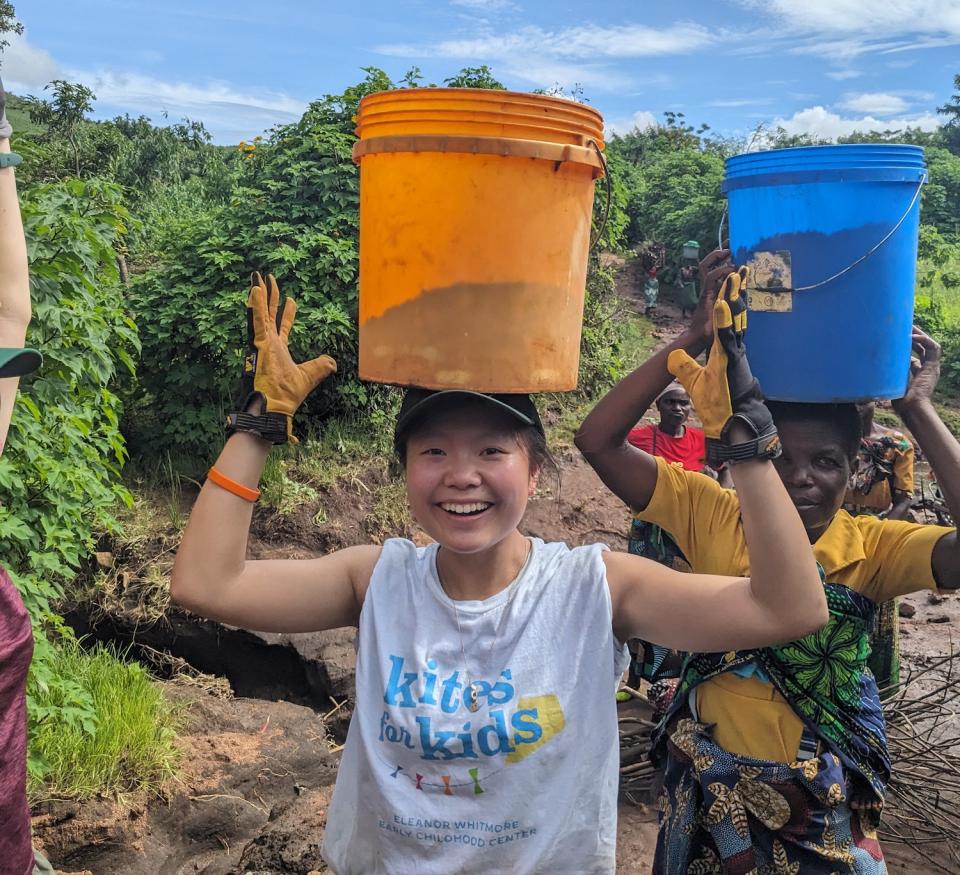
The students found the experience of getting to know a new culture and new community transformative. “I was expecting to warm up to the people a lot slower, but when I got there they immediately pulled me in, and I started dancing and they just really made me feel welcome,” said Shirley Jiang. “It was really easy to blend in and smile and get involved in the village.”
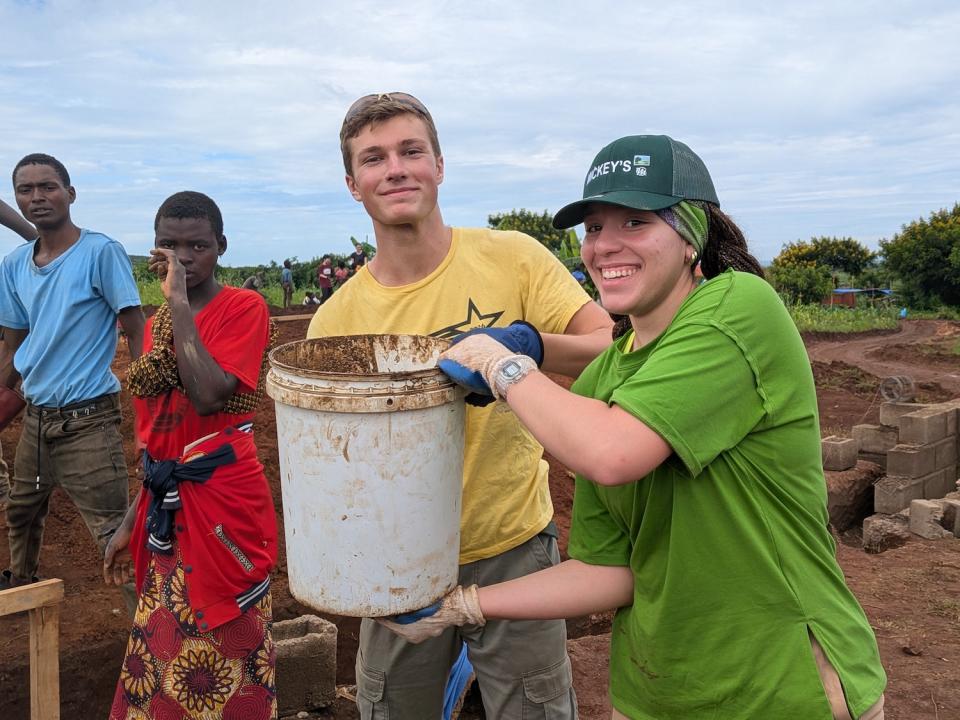
“What I enjoyed the most was talking to all the community people and talking with classmates,” Griffin Beckman said. “It was really fun, especially using the language, as broken as it was. It was fun to piece together the words that you knew with facial expressions and hand gestures and communicate with everything you have to really get to know people on a different level.”
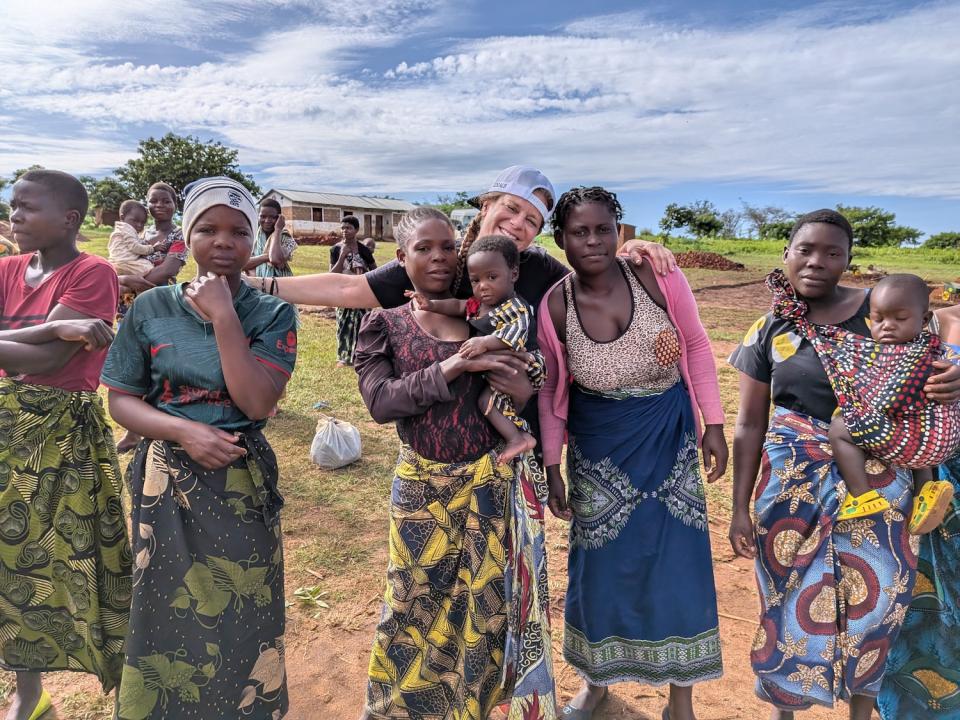
“With all of the kids and the women around the community, we would dance and play a lot of nonverbal games. We would make a dance circle and they just pull you in and you have to dance,” Melanie Vizcaino said. “The whole community is very close. Nobody was shy. Nobody was rude and they were so happy to see us.”
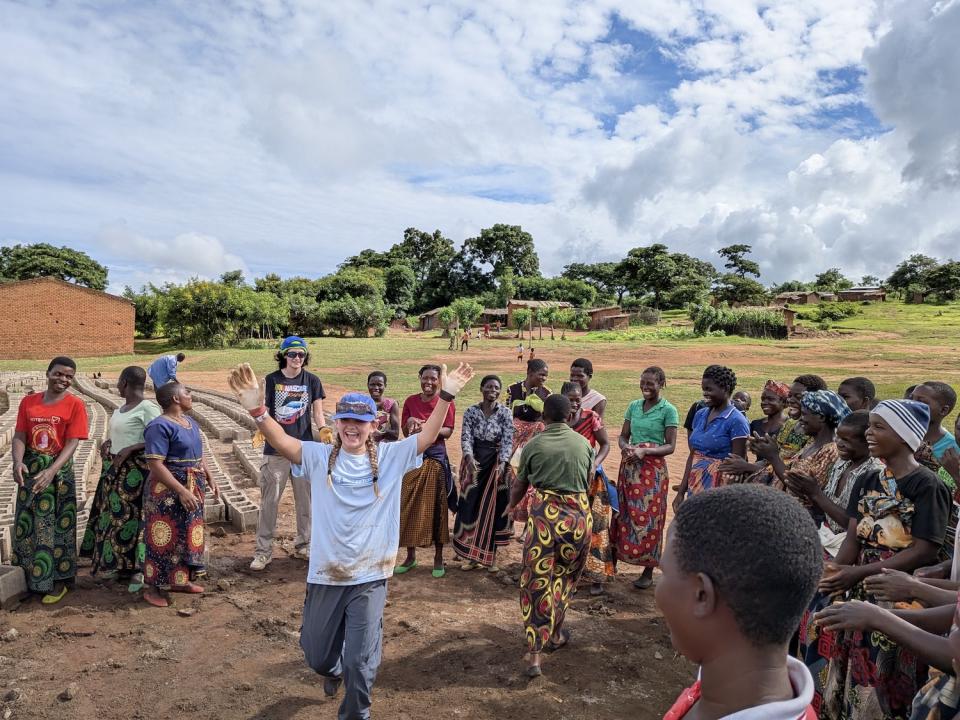
“The amount of colors people wear was so beautiful,” Jade added. “Everything they wear is so colorful and it makes you so happy to see all of those joyful colors.”
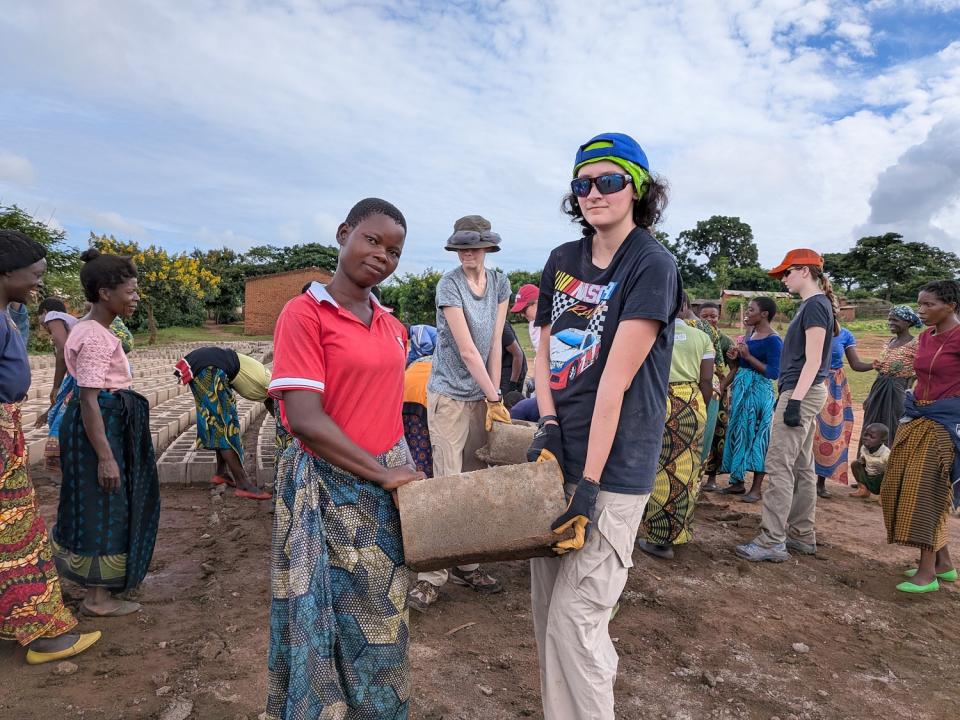
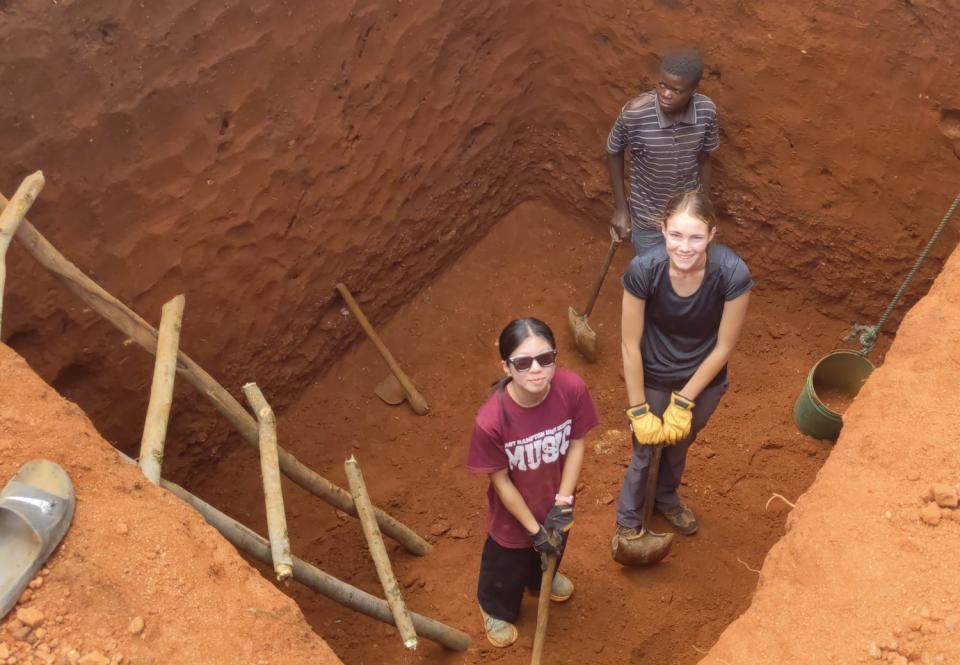
When they weren’t bonding with their host families, the Bonac students were working hard — Shirley lost eight pounds over the 10-day trip. They spent their mornings doing construction, then broke for lunch, and had chat circles where the students led discussions about socioeconomics and gender roles before going back to their host families. When they were with the community, they had conversations about ethnicity and gender as well.
“They had asked us what countries are you all from and they didn’t understand that we were all from America, but could look different,” Griffin said.
“They asked about our hair because we had a girls chat circle with the women from the village and they asked the girls with longer hair do we ever cut our hair, because their hair is so short and they thought we’d never cut ours before,” Jade explained. “They asked why my hair was blonde, but Melanie’s was dark brown. It didn’t make sense to them.”
The people of Chipa learned about America, and the Bonackers learned so much about Malawi, like how to say hello — wawa — and how to flourish without the many comforts of home. Only one student got sick, and Ms. Jahoda gave the rest of them the hugs and love they needed to feel safe so far from home.
“Bill organizes it and makes sure everyone is safe and I’m there for the emotional stuff: homesickness, all of that,” she said. “How’s your mosquito net? Have you eaten? Are you feeling homesick? We do a basic medical check, give them hugs, tuck them in.”
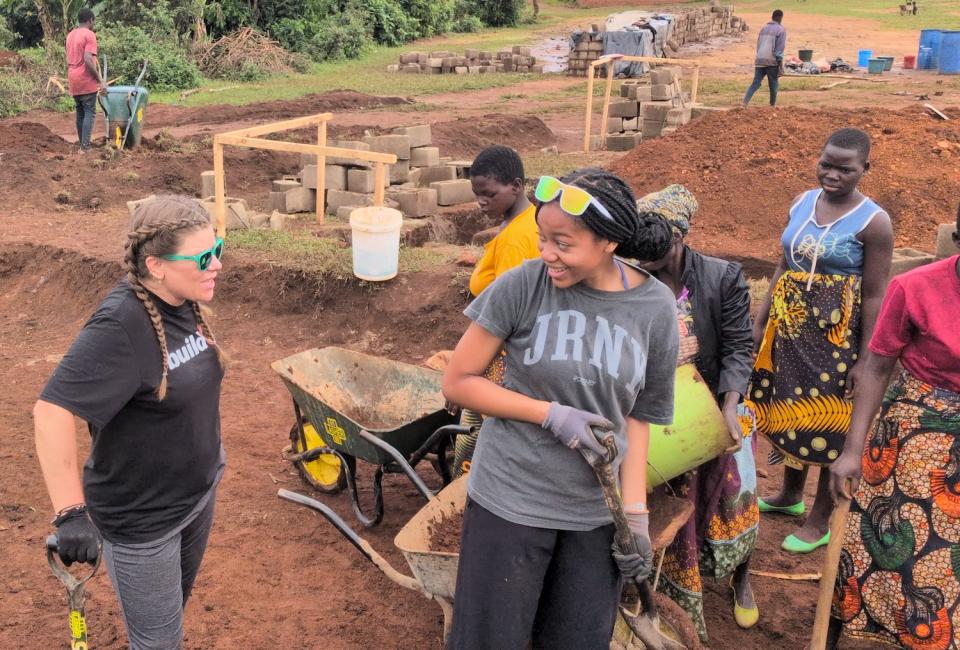
Each of the students wrote their name and a message on a cinder block before using it to build the foundation of a school that will hopefully become part of the foundation of the Chipa community. After five days of building and bonding the Bonackers were sent off with an incredible ceremony where they shared gifts and thanks with their host families and each other, small, meaningful reminders of a trip they’ll never forget.