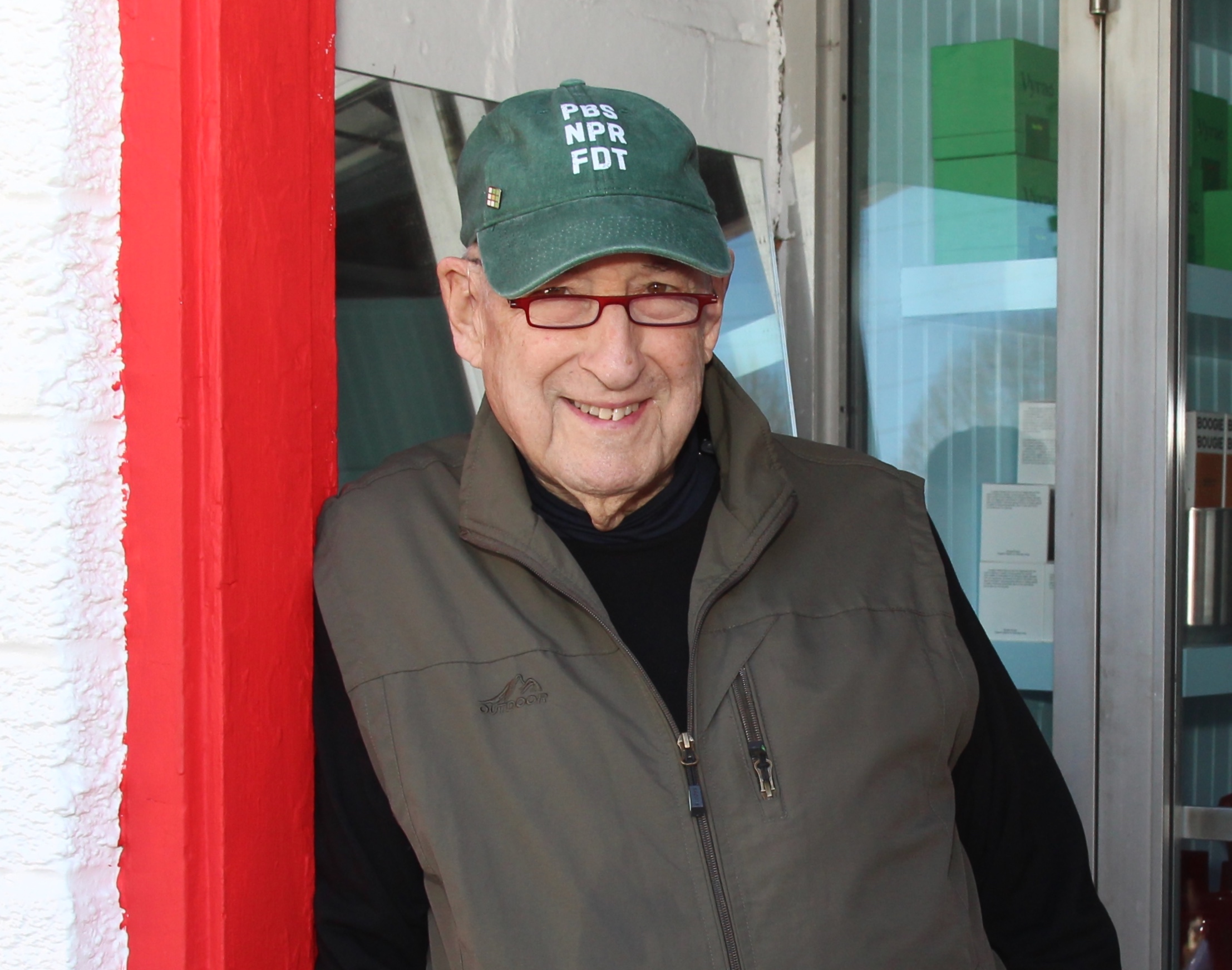
Tom Friedman, who’s 90, says he’s lived a long life, and “a lot of it.” But since finding a kidney donor after being diagnosed with kidney disease four years ago, he may have even more life to live.
After his diagnosis, Mr. Friedman chose not to pursue dialysis treatments, instead beginning a search for a kidney transplant. Although his age might have ruled out the procedure, he says he’s in the “unique situation” of being in excellent health outside of his kidney trouble, which doctors have been unable to find the source of. (His doctor, he said, is himself a recipient of a heart transplant.)
“Positive things in my life have kept me healthy,” Mr. Friedman said last week. He still goes to work five days a week at Rosehip Partners real estate in East Hampton, eats well, and swims, he said, five days a week.
In fact, it was his swim routine that ended what could have been a fruitless search for an organ donor. A man he swims with at the Y.M.C.A. East Hampton RECenter has offered him a kidney.
Not everyone who comes forward ends up actually matching with the person they planned on donating to. But in this case, Mr. Friedman’s swimming companion will likely be his match. The donor, who’s asked to remain anonymous, volunteered, Mr. Friedman said, because a friend of his received a lifesaving transplant and he wants to pay the donation forward.
“He’s doing what he feels is right,” Mr. Friedman said.
The surgery for both men is expected to take place in May at NYU Langone Health in Manhattan.
A Brooklyn-based company called Renewal set the process in motion. After being contacted by Mr. Friedman’s doctor in Riverhead, it set to work creating a profile of the patient and a brochure that he could pass out. (Renewal doesn’t just search for donation matches, it searches for anyone who is willing to donate a kidney, essentially “banking” the organ for use in a match.) The company pays for ancillary costs associated with the donation, such as travel and hospital stays.
Renewal’s donors are “living donors.” The company says the life span of a recipient is significantly longer with a live donor, and “it doesn’t shorten their lives at all,” Mr. Friedman said.
For patients, the wait to find a living donor averages 120 days, as opposed to two to 10 years for a kidney from a deceased person. According to the company, more than 90,000 people in the United States are waiting for a donation.
His own good Samaritan reached out quickly, Mr. Friedman said. Since that happened, two other RECenter members are said to have contacted Renewal offering to donate. Both, unfortunately, were deemed ineligible for health reasons.
According to Renewal’s website, Mr. Friedman will be their oldest kidney recipient. “Life is a strange commodity,” he said. “I plan to live a lot more of it.”