
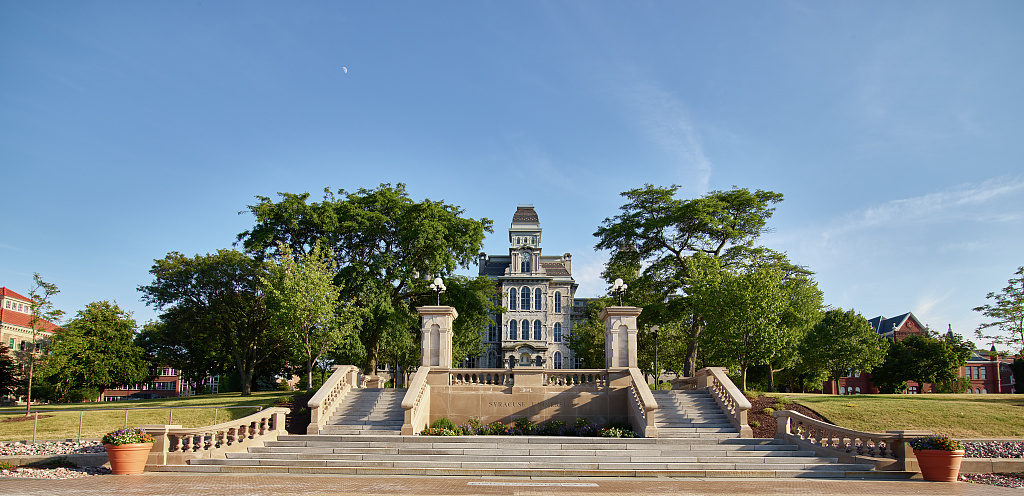
In the face of advancing preprofessionalism, in other words, as if there were jobs available. In the spirit of kowtowing to the overwhelming popularity of majors like economics and sports management. (Thus spake The Times.)
Ceramics? Gone. Back in the day, I wondered, would the study of throwing pots have been more popular with the hippies or with the jocks on the lookout for the next gut course?
No matter, I was too busy taking offense to linger on it, for my favorite relative, a late uncle, actually made a living as a potter in the 1970s, first in Sag Harbor — for you hard-core locals and cognoscenti out there, his name was Carl Arthur Lindgren (“Art is my middle name,” said he), and his studio was at the southeast corner of Hampton and Jermain, behind the plate glass where Harbor Pilates is now — and then in Putney, Vermont.
What’s that you say? That was the ’70s, and that was Vermont? Point taken.
But then consider that Syracuse went on to target classics and classical civilization. Which are, on the contrary, exactly what the universities should be doubling down on in the digital present, as philosophical thinking, notions of the good, and humanism wheeze on life support.
By way of introduction, perhaps professors could explore the beliefs of the deists, the products of the Enlightenment, the skeptics and cantankerous landowners who founded this mercantile entity passing as a representative republic. Say what you will, at least they were enamored of ancient Rome, and saw as an exemplar none other than Cincinnatus, the statesman and general who famously gave up power to return to the farm.
Speaking of the farm and the founders, in contrast to the architect of our system, Madison, and the hardheaded banker Hamilton, is it possible that the eloquent man with the quill in his hand, Thomas Jefferson himself, is the one who has held up the least well? If he were to come back today and see how his dream of an idealized class of yeoman farmers had curdled to disability payments and opioids, not even Sally Hemings could soothe his worried brow.
But there’s another reason for universities to turn to the past, even if only a more recent past. With the ubiquity of A.I., you have to wonder how a professor can in good conscience assign anything that is not completed inside the classroom. Specifically in those little blue books with college-ruled paper, which in their dated essence may connote economics, sure, but certainly the classics.
Pens down, students.