
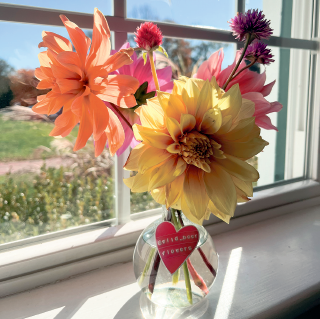
What do you wake up to each morning? A lover, a child, a pet — perhaps all of the above? Or maybe, like me, you wake up not only to a quietness, but also to the presence of flowers placed near your pillow. The most fragrant of blooms greet in scent before their mood-boosting color says good morning once you open your eyes.
My favorite bedside fragrances include hyacinth in April, lilac in May, and peonies in early June. Springtime flowers each have their moment of bloom and are often enjoyed in a scented single-flower arrangement. But as the first day of summer nears, I’m like a kid in a candy shop — except the candy shops are all the farm stands bursting with mixed bouquets, so vibrant, utterly delicious, and addictive in the very best way.
Research has shown the presence of flowers immediately impacts happiness; they offer long-term positive effects on mood, as well as increasing our sense of connection with friends and family. If you don’t already have the habit of flowers on your nightstand and sprinkled throughout your home, make this the season to start a weekly farm stand flower routine.
As we start to see the first daffodils pop up like little sunshines, here are the need-to-knows to get you started.
Gather Your Tools
Let’s begin with hard goods to have on hand. These include what you will use to cut the flowers and to contain them. For the love of flowers, please do not grab the junk-drawer scissors. A dull blade crushes stems, impacting the flowers’ ability to drink. If you don’t already have a pair of dedicated floral shears, stop by one of the garden centers seen in this supplement to pick one up to devote to your new hobby.
A favorite among florists is the brand ARS, made in Japan since 1876. The logo includes the phrase “Cut Above the Rest” — and, yes, these shears are incredibly sharp and will easily cut through stems. (As well as your skin. I speak from experience.) Be mindful when you are holding a stem to keep the snips away from your fingers. Also, after each use, be sure to wash clean and towel-dry to prevent rust. Just as a chef would wash his knives after preparing a meal, you want to clean your shears after arranging flowers.
While you’re at the garden center, perhaps pick up a small bucket. Optional alongside the necessary shears and vases, a small bucket is helpful for transporting flowers home in the car on a hot day, as well as for letting them hydrate before arranging. More on handling and care to come but first, let’s pick your vases.
Select Your Vessels
I am a big fan of bud vases, and if you think you don’t have any on hand, think again: You just might. Consider any glass, terra cotta, or ceramic item that might otherwise have been pitched into the recycling. Perhaps you’ve finished a decorative jar of honey or a specialty bottled beverage from Japan. If the aesthetic of these gourmet-grocery designs influenced your purchase, why not continue to admire it (after a thorough cleaning) with flowers dancing out from where vinegar or sea salt once poured?
And speaking of bud vase or jam-jar openings, the wider the opening, the more flowers it will take to fill your recycled pantry vessel. Typically, one farm stand bouquet nicely fills out a quart-size Ball jar, whether it is regular-mouth or wide-mouth, as the difference between these canning supplies’ circumferences is less than an inch.
Collect your bottles, jars, and small ceramics — handmade or otherwise — and determine where you’d like to place bursts of blooms, from the bedside and bathroom to the breakfast nook and coffee table.
Handle With Care
Typically, our South Fork farmers lovingly harvest their flowers some 24 to 48 hours before you’re selecting them from the farm stand shelf, and I encourage you to continue to handle with care, starting with the ride home. Though flowers need sunshine to grow, once cut, they can get zapped by extended periods of heat or direct sun. Delicate petals can also bruise. You can prevent this by keeping stems upright while in transit.
I keep a big Ball jar in my Jeep’s center console, which is an alternative to the aforementioned small bucket. If you opt for a bucket, just a tip: Buckets can tip over, so nestle that C.S.A. pickup or your farm stand sweep to support it upright. Whether a jar or bucket, just a few inches of water will suffice for the (traffic-permitting) short drive home.
Choose Your Own Arranging Adventure
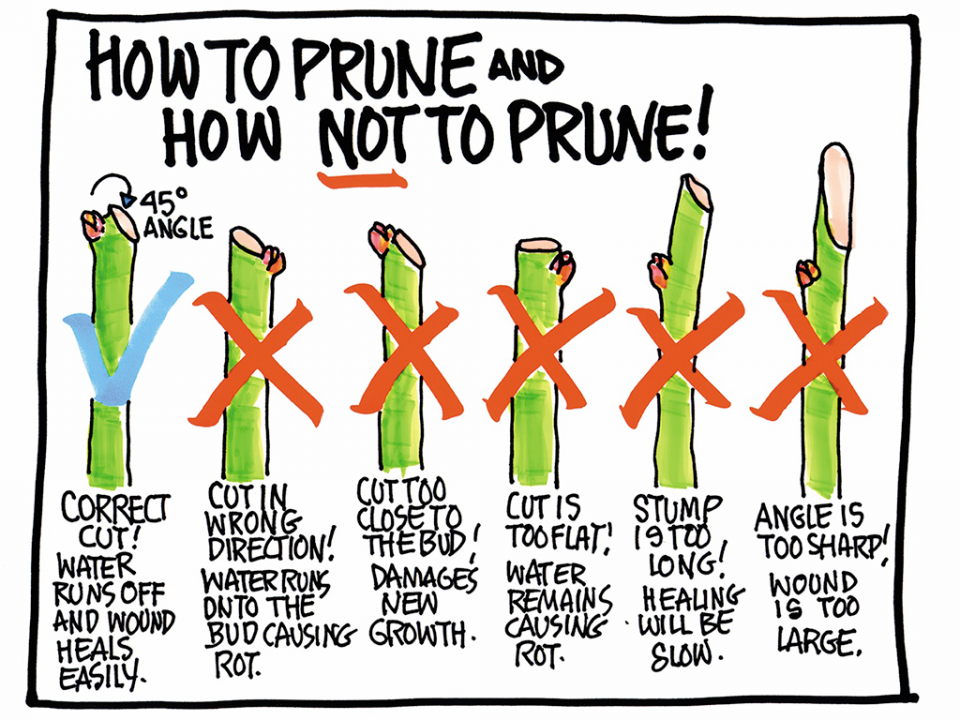
Most farmers create mixed bouquets beautifully and if you’d like to simply put their handiwork on display, give all the ends a fresh cut, on an angle, and immediately place the bunch into fresh water. That canning jar or vase with a circumference slightly bigger than the bundled stems holds them well. Note these bountiful bouquets can be top heavy, so fill the water high to give the vase weight, or trim the stems more to bring down the height for balance. Ideally, stems hit the bottom of the vase. Some floral artists like to keep the heads of the flowers hovering just above the vase opening; others like to leave more breathing room, but pretty much everyone agrees it’s best to avoid super-long stalks sticking up several inches above the vase, both for aesthetic reasons and to prevent them from tipping over.
If you’re inspired to take that mixed bouquet and turn it into an assortment of bud vases, the first step is letting those blooms loose. After removing the rubber band, I place stems on the counter with just the head of the flowers hanging over the sink. Floral designers hydrate flowers before arranging them, so now is the moment to fill a clean bucket with fresh, cool water. Select one stem at a time, remove any remaining foliage that may get submerged in water, snip off just a bit of the stem, and lean at a diagonal in the bucket. Once all stems are drinking, I may leave them for a few hours or overnight, but if you want to skip this and get your flowers straight into vases, go for it!
All About Angles
This brings us to the joy of arranging, which is all about angles. Cut your first stem at an angle and then place it into the vase at an angle with the stem hitting the bottom. Snip your second stem at an angle, place it opposite, so the two stems form an X. (If it is a bud vase, you may fit one more stem; the trio of stems form a tripod, and you’re done.) Keep adding stems, one by one — however many space allows — but absolutely avoid overstuffing. Not only does crowding the flowers look bad, it can lead to stem breakage. Jamming a double fistful of flowers into a too-small vase is a classic rookie mistake.
With a jar or vase, after your first X of stems, rotate the container and create another X. Continue to rotate your jar adding stems between stems. From a bird’s-eye view, the stem you are inserting should appear to be placed over the bottom of one to the left and slightly under the one to the right. As you continue to rotate your container, placing the stems on an angle creates a spiral and a looser bouquet that is still stable enough to hold its shape.
For a true South Fork farm stand look — natural and more bohemian than a hothouse bouquet — you will want to mix flower varieties and colors and vary stem heights. Let them be loose, airy, playful.
Fresh Water and Fresh Cuts
Your farm stand flowers will last about a week. To promote longevity, give them fresh water every day or every other day. You may have heard tricks, to add this or that to the water in an attempt to prevent the water from dirtying. So here’s the final tip: Those of us who work with flowers know it is most effective to simply change the water. Do this by grabbing your flowers in a handful, pull them out of the vase and keep holding them with your left hand if you are right-handed (or vice versa).
With your free hand, pour out the old water and refill with fresh, then take a moment to inspect the stems. You don’t want stems that look soft at the bottom. With your shears in your dominant hand, cut off an inch or so; the fresh cut will allow them to continue to drink. Ease your bouquet back into its vessel and continue to enjoy until you pick up your next bouquet.
—
If you’re seeking an in-person lesson, keep an eye on the John Jermain Memorial Library program calendar, where you can find the author leading a bud-vase workshop in June.