
2,000 to 3,000
Estimated number of dried-out firs tossed out annually in East Hampton in 1959, when the newspaper suggested a campaign to slow erosion by planting them “butt end down” in the beach dunes after the eggnog was drunk and the guests had gone home. (By 2009, the town had determined that residents were just tossing them willy-nilly onto the sand and there wasn’t enough blowing sand in winter, anyway, and asked everyone to desist.)
$1
Price per white pine tree — “any tree” — for a homespun tannenbaum cut in a woodlot off Bull Path and sold by Hugh Filer in the 1950s. A white pine from Northwest Woods, as forlorn, spindly, and Charlie Brown-ish as it may appear to some today, was the norm among local families up until mid-century; one local writer, Sherry Foster, later claimed she had grown up thinking anything else was “gauche and untraditional.”
1,300
Number of acres of Christmas trees owned by a consortium of businessmen from East Hampton who went in together to found and run a growing-and-shipping-south business in 1954. The Christmas tree farm was in Sprucedale, 250 miles from Toronto; some 1,000 trees cultivated in Sprucedale were sold between Southampton and Montauk at gas stations, florists, and in empty lots (presumably to people sick of white pines).
$162
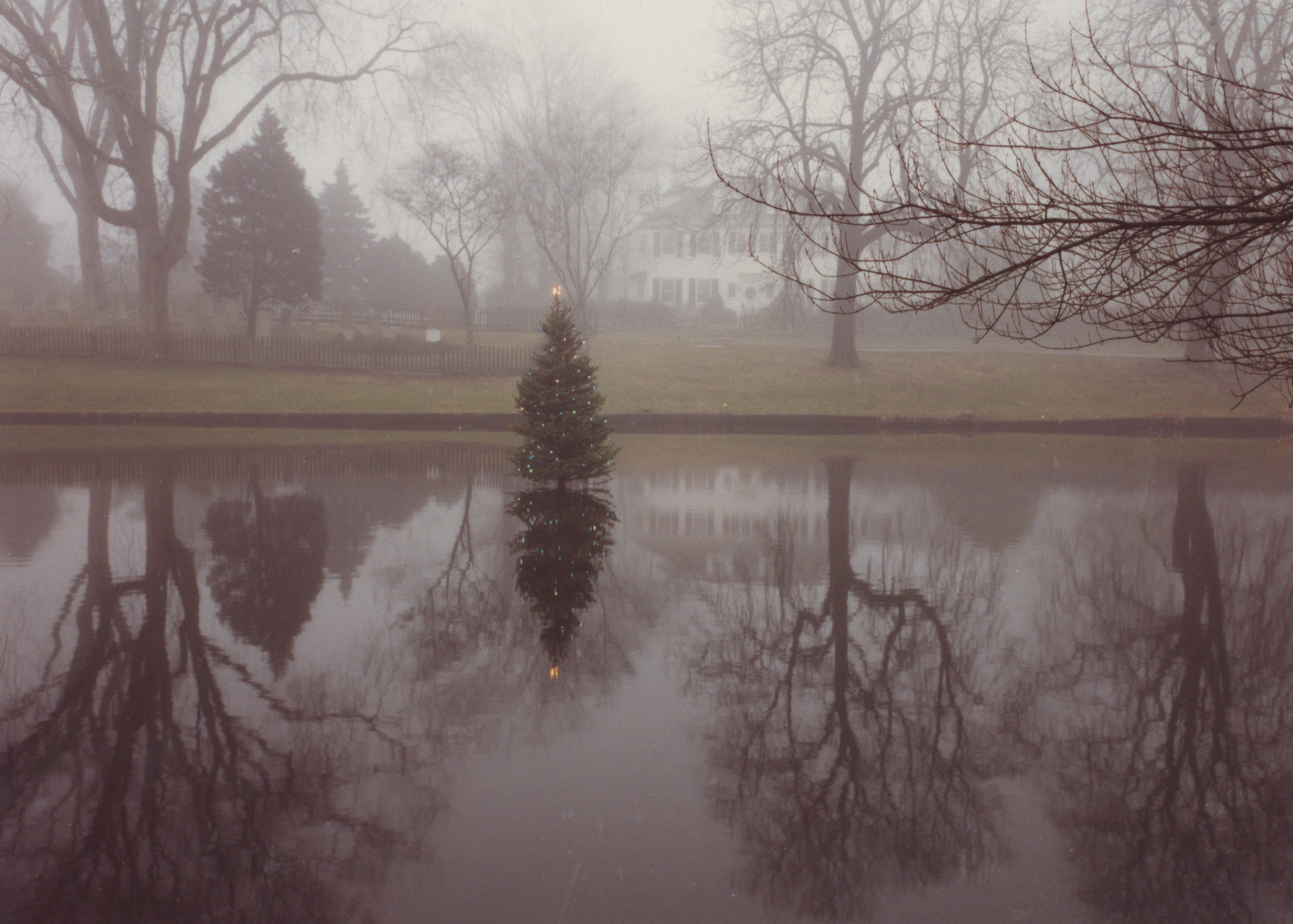
Invoice amount submitted by Bates Electric to the Amagansett Village Improvement Society in 1982 for the replacement of sockets and colored bulbs on the big community Christmas tree at the Amagansett Fire House after vandals smashed them. Boys and girls on the Naughty list smashing bulbs was an annual nuisance issue for decades; in 1940, East Hampton shop owners said they’d have to stop erecting holiday trees if the delinquents didn’t stop.
10
Safety “Don’ts” regarding Christmas trees that the Star suggested homeowners abide by, “Even If It’s Christmas,” in 1932. “Don’t allow smoking near Christmas trees,” the paper advised. “Don’t use paper, cotton, or celluloid ornaments” (and don’t “neglect to keep handy something with which to put out the fire that does happen to start”). And, dear Santa, “Don’t give children toys that run on alcohol, kerosene, or gasoline.”
1
Number of illuminated holiday decorations considered acceptable by the Office of War Utilities in 1943: Only the living-room tree should be decorated with lights, in order to save bulbs, tungsten, and other vital war materials. Clark Griswold exteriors were out for the duration. Meanwhile, at sea on a ship in the Pacific, a WAC from Montauk reported small tabletop trees in the mess hall and single socks tied to bunks and filled with candy bars and fruit by senior officers.