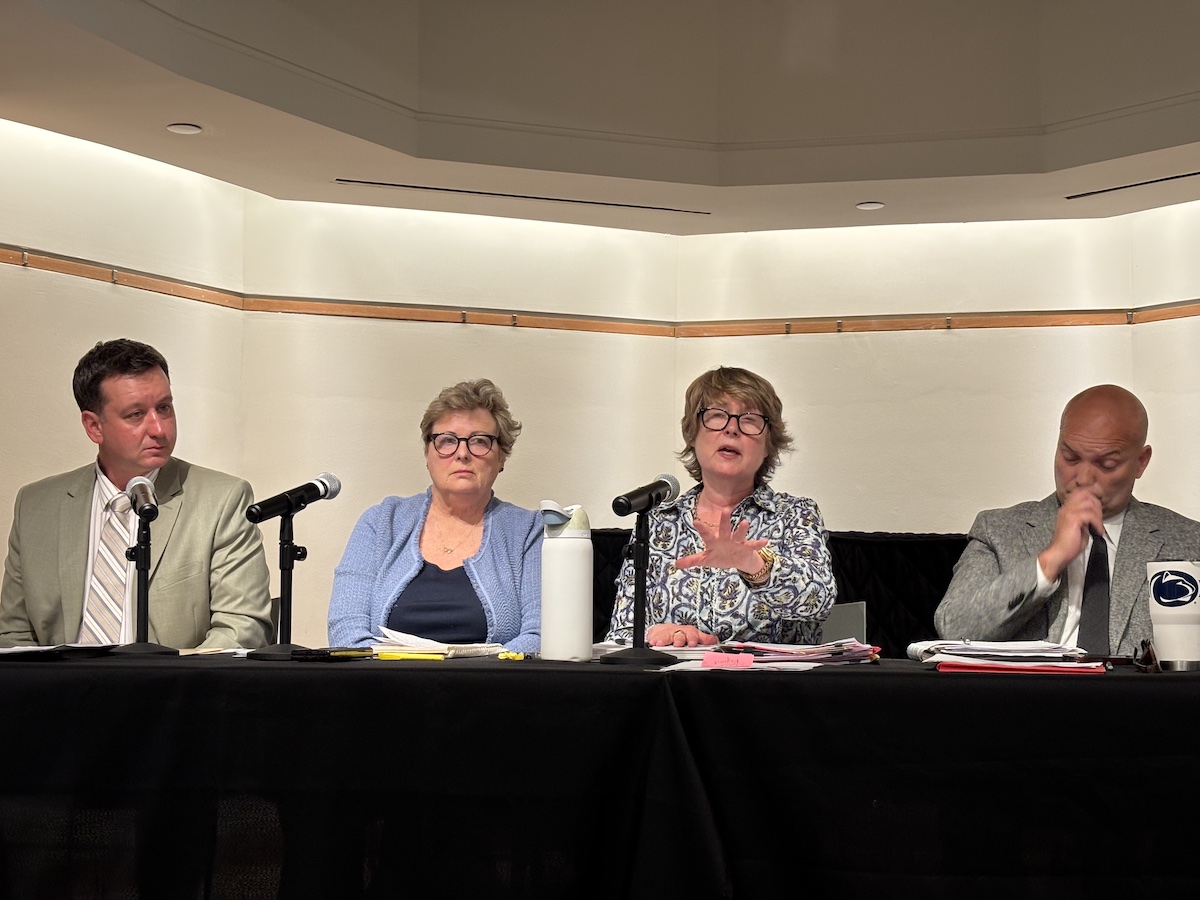
Proposed legislation that would encourage employer-sponsored housing within East Hampton received a chilly reception at a May 7 public hearing and has since been tweaked. Now deemed satisfactory by the town board, it will get another hearing on July 19.
The new law allows for housing units provided by employers exclusively for their employees and their families. Rents would be capped at 130 percent of the area median, and units would be monitored for compliance by a third-party management company approved by the town.
Five changes have been to the original proposal. Eric Schantz, a principal planner in the town Planning Department, summarized them for board members on Tuesday.
Perhaps the most important is the addition of a provision forbidding short-term leases within these employer-sponsored housing developments; units cannot be leased for less than a year. Two other changes acknowledge that more than one third-party management company, and even “sub-consultants,” could be needed to administer such complexes, especially regarding tenant income verification.
The fourth change requires the developer to submit an “offering plan” to New York State and share it with the town, and a final edit allows the town to collect fees when town employees spend time to review the facilities.
“I’m in support of this legislation,” said Councilman Ian Calder-Piedmonte. “I think this legislation is better than it was the first time around, and that’s the point of the public process.” He stressed in particular the importance of ensuring that income verification is tightly managed.
“There’s a chance that somebody who manages condos in general, to make sure that they function, doesn’t have the same capabilities of somebody who’s particularly adept at income verifying,” Mr. Calder-Piedmonte said. “Even though this is different than affordable housing, we want to make sure that we’re targeting the same type of people.”
Councilwoman Cate Rogers, while noting she was “cautious about this type of development,” said that “considering the [housing] crisis we’re in,” she found it “appropriate.”
The rest of the board shared their sentiments.
There could be more delay before the proposed law can be voted into town code. After the July 19 hearing the board will again address any comments, which could lead to further changes, which, if substantive enough, could require another hearing. The planning board would then prepare an environmental assessment before the Suffolk County Planning Commission could finally review and sign off on the final draft.