The East Hampton Village Board voted on Friday to approve a $41,975 expenditure for LTV for a comprehensive video archive preservation project that will also allow greater and more convenient public access to meetings and related content.
Village officials, said Marcos Baladron, the village administrator, recently learned of a large repository of video of prior board meetings that are not available on the village’s website, nor its YouTube channel. “It’s a huge asset of ours and they have it,” he said of LTV, “and we’d like to save it.”
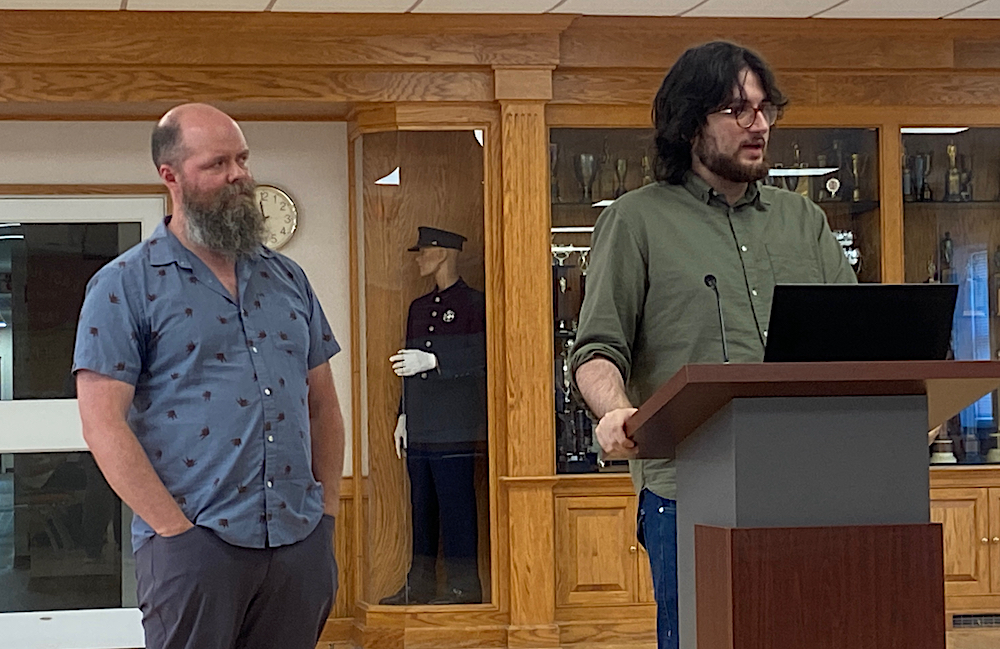
“This project is about not just taking our older meetings and digitizing them and just throwing them on YouTube,” LTV’s Jason Nower told the board. “It’s about helping the village create searchable records of our videos.” Unless history is properly cataloged and with metadata attached, he said, “you’re not going to be able to find the documents or, worse yet, it’s going to come at a great cost to the village to search through documents to find exact points of transcripts.”
An audit of the village’s Google Drive archive determined that 331 meeting videos spanning 2016 through last year have not been published to YouTube. LTV’s proposal is to publish each to the village’s YouTube channel and write consistent, searchable titles and descriptions for each so the archive is navigable and professionally presented for residents and the public record.
The audit identified a number of existing YouTube videos with mismatched titles, such as design review board meetings published under planning board titles. LTV will audit and correct them, according to its proposal. It will also prepare a cross-reference spreadsheet of all 615 Google Drive files versus the 333 existing YouTube videos.
The village also holds a body of meetings predating its transition to digital file storage — from 1990 through approximately 2007 — on physical formats, specifically DVDs and videotapes. LTV proposed to intake and log that media, cataloging each by label, estimated date range, and media type, convert it to a high-quality digital file format, apply consistent, searchable file naming and metadata to all digitized recordings, and upload it to the village’s YouTube channel.
LTV’s Christian McClain called “a searchable archive system that can be open to the public . . . especially helpful for more people around the village to be able to engage more with local politics, which I think will be a great service.”
“We can actually encode PDF documents and photos and all this other stuff into the video files themselves, as well as the transcripts,” Mr. Nower said. “You can even do things like attaching written public comments for people who couldn’t be here in person.”
“We think that it’s going to be a great tool for the people of East Hampton Village,” he said.