A newly acquired parcel of public land on the Sag Harbor waterfront is poised to serve two purposes, combining marina access with an ecological study center designed to promote environmental research, education, and stewardship.
In a collaborative move by Southampton Town, Sag Harbor Village, and the Cornell Cooperative Extension, the Redwood Marina was purchased earlier this year using Community Preservation Fund money. The intention was twofold: to keep the longtime marina open and serving full-time residents and to give the cooperative extension a home base at an active waterfront.
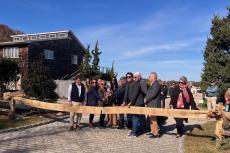
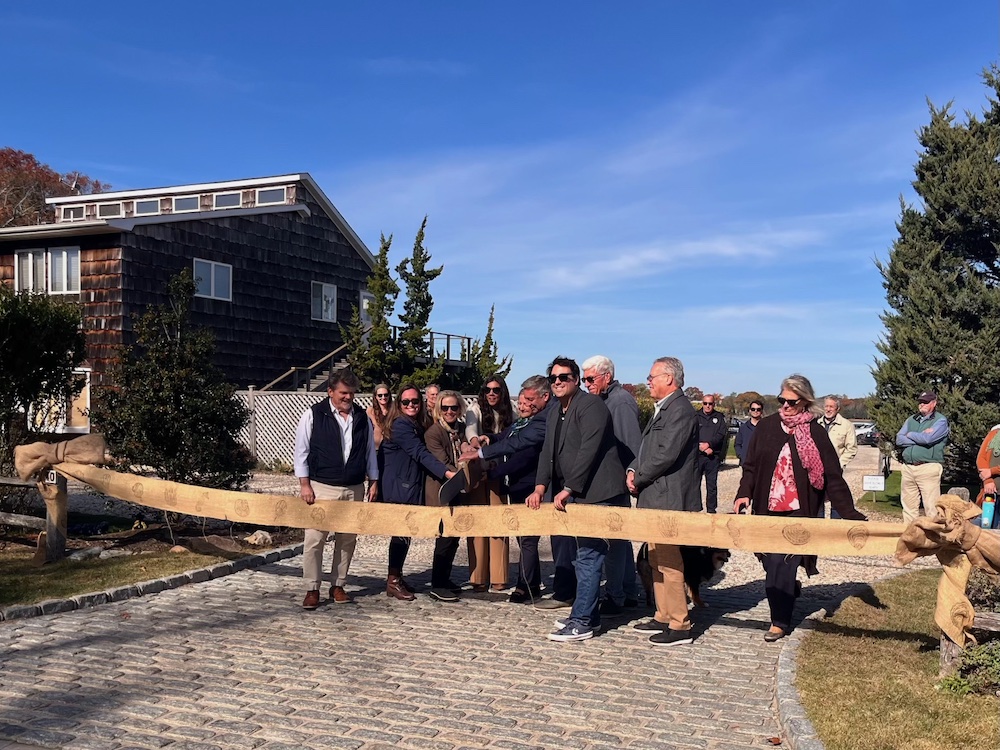
Town, village, and state officials cut the ribbon on the facility last week. While the marina has remained open through the sale, this summer marked the first season of management by Sag Harbor Village. During this week’s village board meeting, Deputy Mayor Jeanne Kane said it went off without a hitch.
Last week, State Assemblyman Tommy John Schiavoni called the $7.5-million purchase a step toward “reclaiming a piece of heritage.” Gerald Schwenk, the longtime owner of the property, had turned down more lucrative offers from private equity because “he believed in the community,” Mr. Schiavoni said.
“It wasn’t an easy road, but everyone was persistent,” Mayor Tom Gardella said of the acquisition, which was first contemplated about four years ago. He credited Ms. Kane with keeping the project going. “This could have been condos,” he said.
Shawn Sachs, a board member of the Sag Harbor Partnership, said at last week’s ribbon-cutting ceremony that “the bay is big and it needs a lot of help.”
That is where Cornell Cooperative Extension comes in. While the public acquisition of marinas is new but not unheard of, having the extension’s marine program on the site may be unique. The extension has a “long history of doing work on the East End,” said Kimberly Barbour, the Suffolk County director of its Back to the Bays program. An oyster reef installed by Back to the Bays at Steinbeck Park two years ago marked the group’s first project in the village, and science teachers at Pierson School are already working with them at their new home.
The first floor of the marina is being transformed into a learning lab, where students can join in on initiatives from propagating and growing eel grass to seeding clams and oysters, Ms. Barbour said. This past weekend, she said, a group of fourth and sixth graders were putting clam seeds in a bed for the winter.
But more work is needed. The group will need a greenhouse and raised cedar beds for planting, and “touch tanks” as well. They need to raise an additional $50,000 to meet their goal of $100,000.
Back to the Bays has invited the public to attend an open house at the marina next Thursday at 5 p.m., to “learn more,” said Ms. Barbour, “about what we have planned.”